
Last updated November 25, 2026
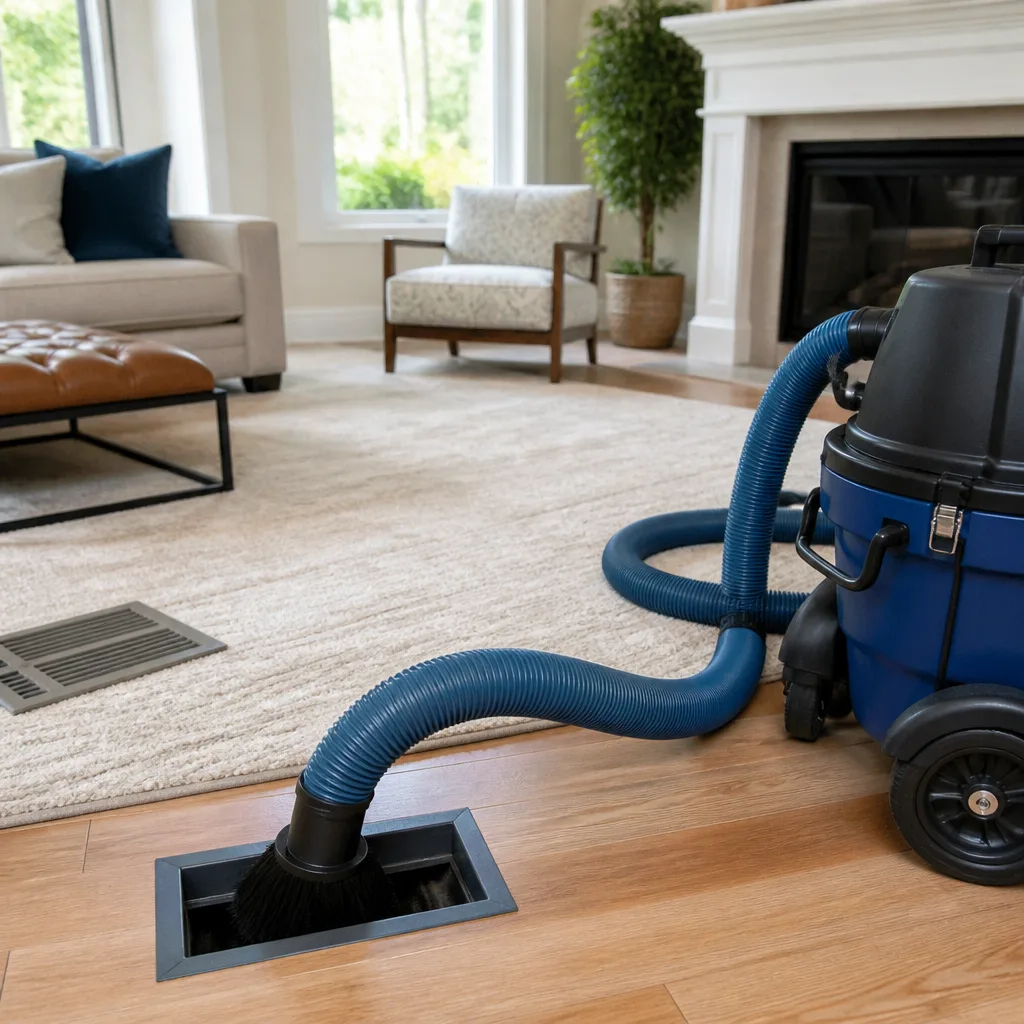 Whole-home duct cleaning
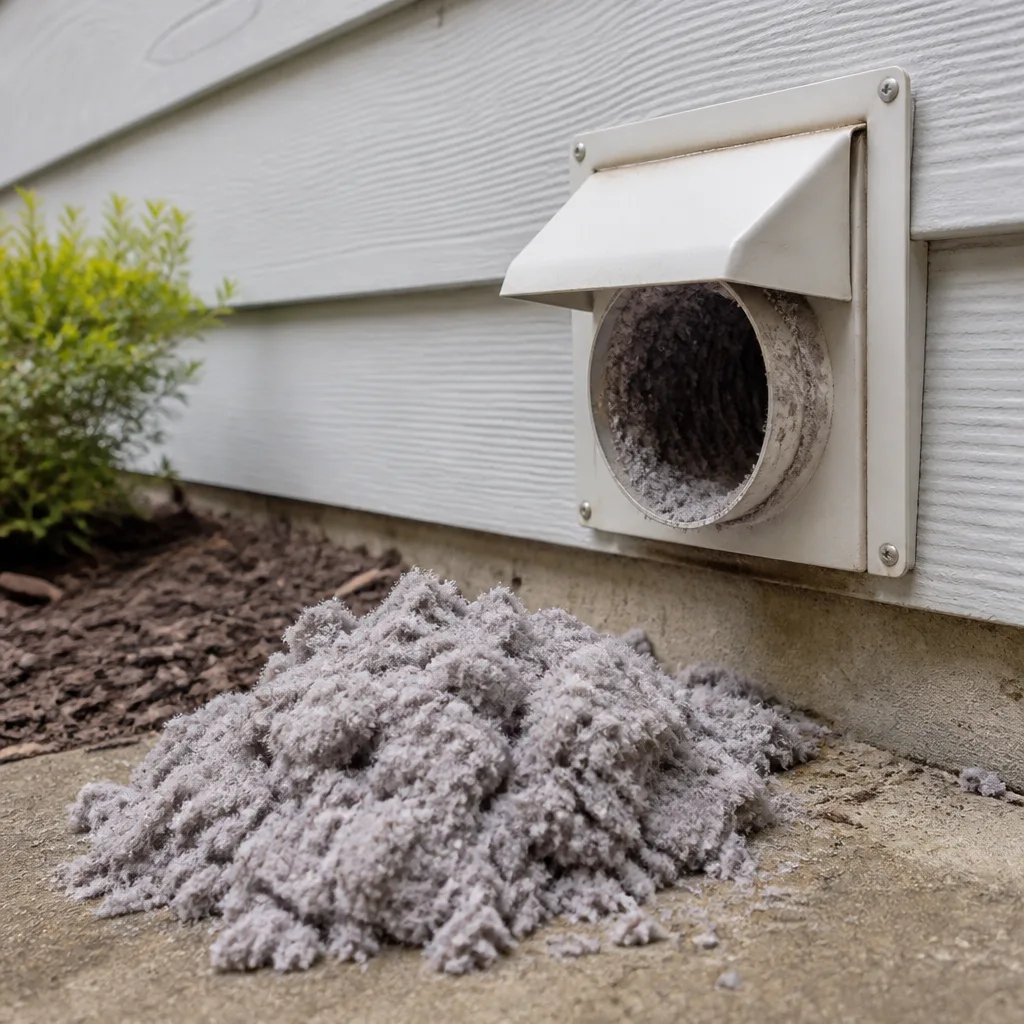 Dryer vent cleaning
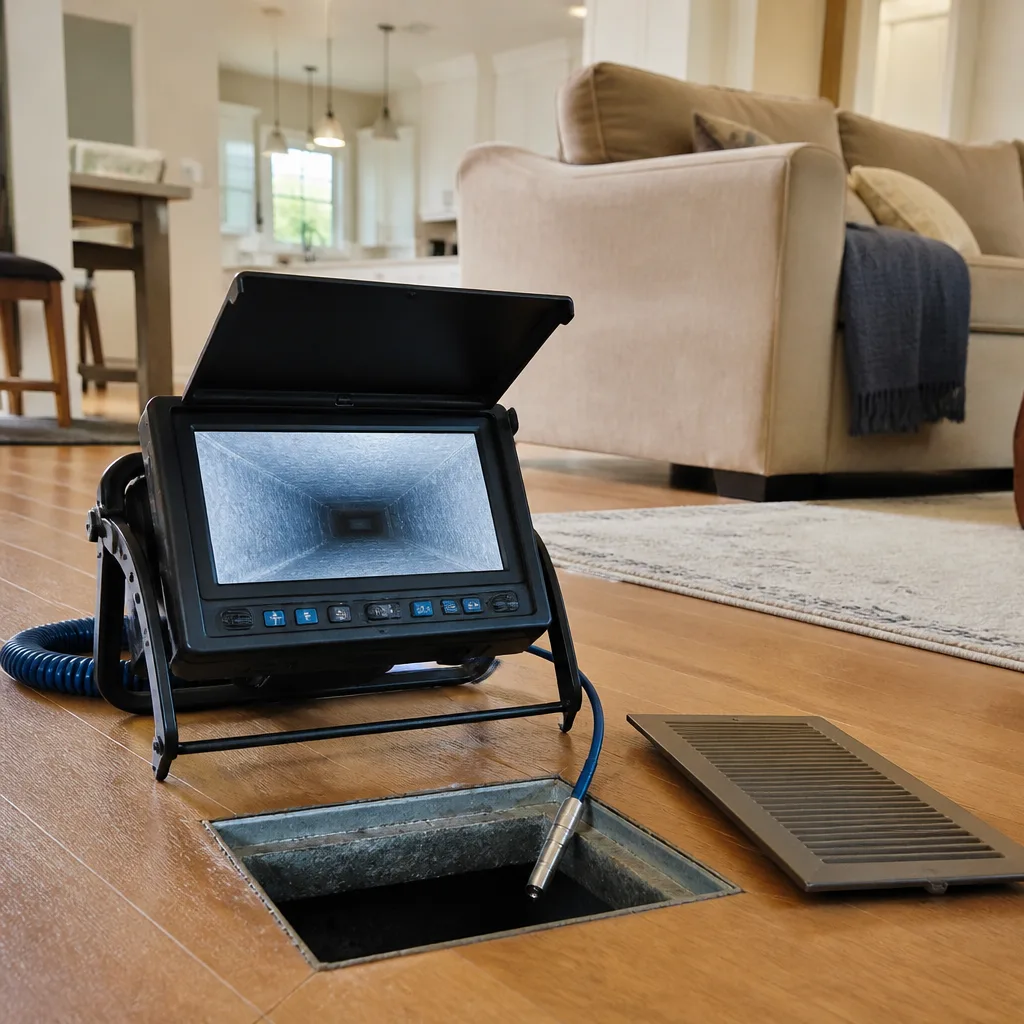 Camera inspection
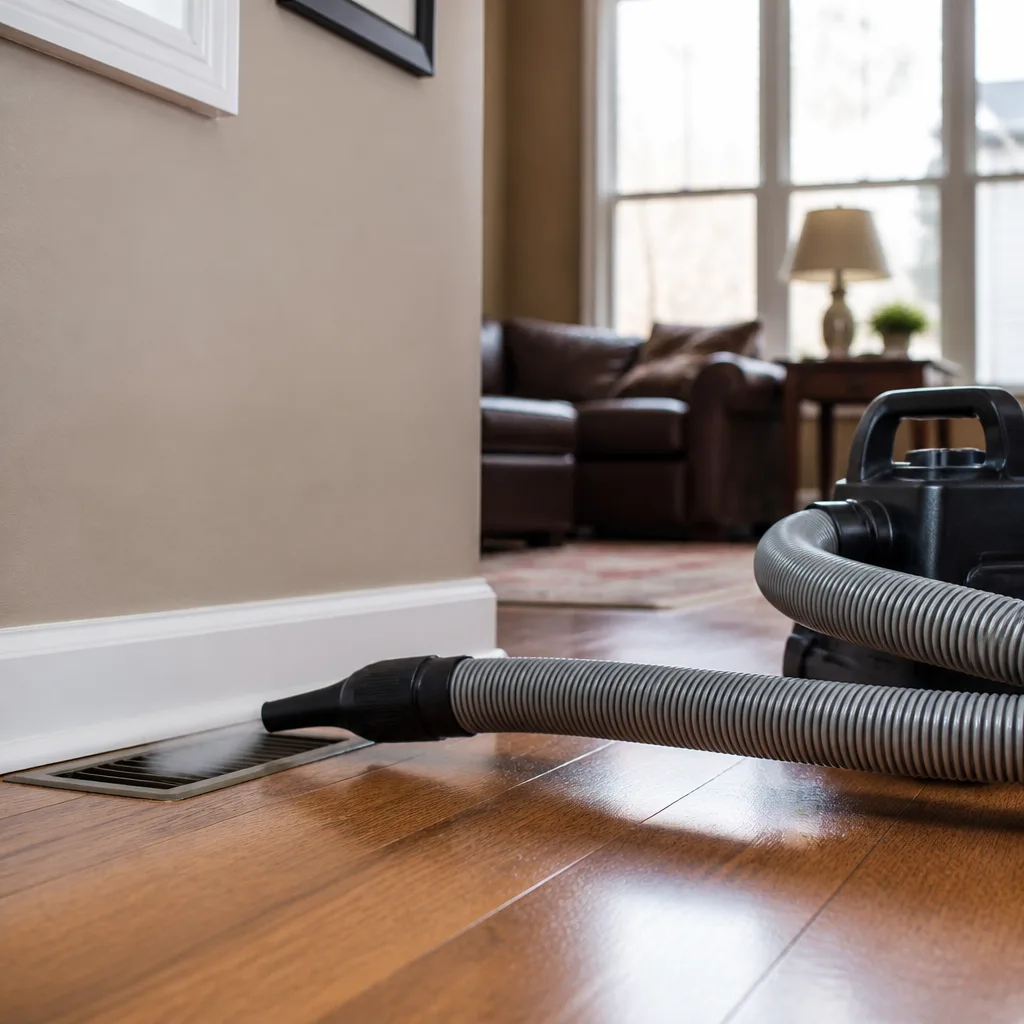 Sanitizing & deodorizing
Whole-system duct and dryer vent check with before-and-after photos - you see exactly what came out of your vents
That "$99 whole-house special" is a bait ad - the real number appears once they are in your hallway, or the "clean" is a shop-vac at the register. We photograph the inside of your ducts before and after instead.
Air Duct Cleaning Maintenance Checklist for Costa Mesa Homeowners
Most air duct maintenance advice amounts to a single line: change your filter every 90 days and forget about it. That advice was written for a house somewhere in the middle of the country with average dust loads and a mild pollen calendar. It doesn’t fit Costa Mesa. Homes here sit in a basin where inland heat pushes air toward the coast, trapping particulates in the low marine layer, and where a steady diet of construction dust, dry-season pollen, and everyday traffic keeps the air moving through your system anything but clean. What that means in practice is that your ducts may be loading up faster than the calendar on the box suggests. This guide gives you a checklist you can actually run yourself, month by month, to spot degradation before it shows up in a bigger repair bill or a system that just doesn’t cool the way it used to.
Quick Answer
A workable maintenance routine for a Costa Mesa home has three layers: a monthly visual walk-through of your registers, return grilles, and any accessible flex duct; a filter and airflow check tied to how your system is actually running; and a professional cleaning on a schedule that fits your household, typically annually for most homes and every six months if you have pets, allergy sufferers, recent remodeling dust, or a known mold history. Air duct cleaning in Costa Mesa runs roughly $350 to $700 for a typical single-family home depending on system size and how many branches need work. The written estimate you receive before any work begins is the final price.
Styles & brands we work with
- Whole-home duct cleaning
- Dryer vent cleaning
- Camera inspection
- Sanitizing & deodorizing
Table of Contents
- The Monthly Visual Checklist: Registers, Returns, and Flex Duct
- Filter Performance and What a Pressure Reading Tells You
- Logging HVAC Runtime vs. Cooling Output as a Leak Detector
- Annual or Biannual? A Service Decision Tree
- What to Photograph Before and After Every Service
- Local Factors That Speed Up Duct Degradation in Costa Mesa
- Why Equipment Choices Change What Gets Cleaned
- When to Call a Professional
The Monthly Visual Checklist: Registers, Returns, and Flex Duct
The most useful thing you can do for your duct system costs nothing and takes about ten minutes. Once a month, walk through your house and look at the parts of the system you can actually see. Dust buildup and early mechanical problems announce themselves visually long before they affect your energy bill. Here’s what to check, in order.
- Supply register faces. Remove each floor or ceiling register grille and look at the inside face. A light, even gray film is normal. A dark, matte black coating or visible fuzz means the duct behind the register is shedding debris into the room. Wipe the face with a white rag; if the rag comes back heavily gray after one pass around a small room, note it.
- Return air grilles. Return grilles draw the most air and collect the most debris. Look for lint balls clinging to the grille bars, and shine a flashlight into the return duct throat. Any accumulation of dust visible from the mouth of the return is a signal, not an emergency.
- Accessible flex duct runs. In a garage, attic, or crawl space where you can safely reach, look at the flexible duct runs. You’re checking for three things: sags between hangers (a sag collects dust and restricts airflow), visible disconnections at the collar or takeoff, and tears or crushed sections. Do not climb into an attic or crawl space. Look only from a safe, stable position.
- Register and grille screws. Loose grilles rattle and let unfiltered air bypass the return filter. If a grille wiggles, snug the screws.
- Condensate area near the air handler. Look for moisture, staining, or rust around the equipment cabinet. Wet dust is a real problem and points to a bigger issue than dirt.
Write down what you saw with a date next to it. Six months of notes gives you a comparison point that no technician’s opinion can replace. In our experience, Costa Mesa homes near busier corridors tend to show the dark-register-face pattern faster than homes tucked into quieter residential pockets. If your notes show that shift inside 60 days, that’s your cue to think about professional air duct cleaning earlier than the annual slot.
Filter Performance and What a Pressure Reading Tells You
A filter is not a calendar item. It’s a resistance device, and what matters is how much pressure it costs your blower to pull air through it. A cheap fiberglass filter on a 90-day schedule may be mostly clean while a dense pleated filter in a dusty household can load up in six weeks. The right way to judge is with a pressure reading, not a date.
You don’t need a lab to do this. A basic handheld manometer or a magnehelic gauge set up across the filter slot gives you a measurement in inches of water column (in. w.c.). Here’s the practical method:
- Take a baseline reading with a brand-new filter installed, at a time when the system is running steadily.
- Note that number on the filter frame with a pencil, along with the date.
- Re-check the reading once a month.
- When the reading climbs to roughly twice the baseline, the filter is restricted enough to change. You don’t need a specific number for that threshold; the doubling rule is the simple version most homeowners can actually follow.
Why does this matter in Costa Mesa specifically? Because this basin’s air quality varies significantly with season and wind. During dry offshore wind events, dust and particulates push west and settle into the basin, and your filter catches more. During a cool, stable pattern, it catches less. A fixed calendar ignores all of that. A pressure reading absorbs it.
Two more things worth knowing. First, an oversized high-MERV filter that restricts airflow can be worse for your system than an appropriately sized one, so match the filter to what your air handler was designed for. Second, if a pressure reading spikes without any visual sign of filter loading, that can mean a duct restriction somewhere downstream, not a filter problem. That’s when professional HVAC cleaning becomes worth a look.
Logging HVAC Runtime vs. Cooling Output as a Leak Detector
Here’s a check that costs you a phone timer, a cheap indoor thermometer, and a few days of patience. It won’t give you a duct leakage number, but it will tell you when something has changed. Leaking or partially blocked ducts show up first as a system that runs longer to reach the same temperature. If you’re tracking, you’ll see it before the energy bill does.
- Pick one room in the middle of the house that isn’t directly under a register and doesn’t have a lot of glass or direct sun.
- Put a cheap digital thermometer in that room, about four feet off the floor, and leave it there.
- On a normal afternoon, note the starting room temperature and the outdoor temperature at the same time.
- Turn the system on and time how long it takes to drop the room by exactly 3 degrees Fahrenheit.
- Log the result with the date and the outdoor temperature.
Do this once a week for four to six weeks. What you’re looking for is a drift. If a 3-degree pull took 14 minutes and now takes 22 under similar outdoor conditions, airflow has likely dropped somewhere: a loaded filter, a crushed flex run, a partially closed damper, or a leaking duct joint. The number itself doesn’t matter. The change is what matters.
Repeat this check after every professional service. Your duct cleaning job should show measurable improvement in runtime, and the log gives you proof one way or the other. This is the same logic our technicians use when they check static pressure on a system; the homeowner version is just smaller and slower. For Costa Mesa homes in older neighborhoods with original ductwork, this runtime log tends to be the most reliable early warning sign that duct repair and sealing is due. We’re happy to help you interpret a log like this if the picture is unclear.
Annual or Biannual? A Service Decision Tree
The default recommendation for most homes is once a year. But “most homes” isn’t your home. Use this decision tree to figure out which camp you’re in. If you can answer yes to two or more of the prompts in the biannual column, schedule every six months.
- Biannual (every 6 months): Pets in the home, especially dogs or double-coated breeds. Smokers in the household. Recent remodeling with drywall or wood dust. Any known mold history in the system or the home. Anyone in the home with asthma or significant allergies. A home near heavy construction. Filters loading visibly within six to eight weeks on the pressure check.
- Annual (every 12 months): No pets, no smokers, no allergy or asthma sufferers, no recent work on the house, and consistent filter performance through the year.
- Defer only with caution: A duct system that was professionally cleaned within the past year, shows no visual degradation, and holds steady on the runtime log and pressure check may be a candidate to defer to 18 months. Confirm with a visual inspection before you skip. Do not defer if anyone in the home has new respiratory symptoms.
One pattern we’ve seen in Costa Mesa: homes near the corridor of the 55 freeway tend to trigger the biannual column because of fine particulate loading, even when the household itself is low-dust. If that describes your house, budget for the six-month cadence rather than fighting it. Homes farther from high-traffic corridors in quieter residential pockets often sit comfortably on the annual schedule.
Dryer vent cleaning is a separate maintenance item and does not follow the same decision tree. That’s a fire-prevention service and its own checklist applies. If it’s been a year or more since yours was cleaned, our dryer vent cleaning service addresses lint accumulation that a standard duct cleaning does not touch.
What to Photograph Before and After Every Service
You should never have to take a technician’s word for what was found or cleaned. You should be able to see it. Photograph the following before and after any professional service, so you have a real baseline to compare against year over year.
- Register faces before and after. Wide shot and close-up.
- Return grille and the inside of the return throat before and after, with a flashlight so the interior is visible.
- The air handler cabinet interior before and after, especially the blower wheel and the coil face. Ask the technician to photograph these from a safe, steady position, which they’re trained to do.
- Any accessible flex duct sections, particularly at the joints and takeoffs.
- A piece of white paper or a shop towel laid flat, with debris from the cleaning on it, photographed in good light. This gives a real sense of volume rather than a verbal claim.
- The estimate sheet and the written scope of work, so you know exactly which services were performed and where to compare in future.
Once you have two years of before-and-after pairs filed away, you’ll know more about your own duct system’s degradation rate than most people ever will. You’ll see the register faces darkening at a rate you can predict, and you’ll know exactly when the next service is due. The photos also settle one of the more common frustrations in this trade: the fuzz of a job where the technician says it was done but nothing was cleaned. Our service includes before-and-after photos of your own system as standard practice, using a professional-grade Rotobrush contact-vacuum system that agitates debris as it extracts it rather than relying on suction alone. Rotobrush equipment exists specifically because suction alone doesn’t reliably pull debris off duct walls.
Local Factors That Speed Up Duct Degradation in Costa Mesa
Costa Mesa sits in a basin of Orange County with a distinctive microclimate that makes duct cleaning schedules faster than a national average would suggest. Understanding why helps you make maintenance decisions with your eyes open.
Airflow comes from the west, pushed inland by the marine layer through the morning, then reverses in the afternoon heat. What that does is trap fine particles in the low-level air over Costa Mesa for part of the day and then re-mobilize them. That cycle loads residential filters and ducts with fine particulate that settles into the plenum and return runs. If you’re anywhere near the 55 freeway corridor, you’re in the collection zone. Homes within a mile or so of the coast catch a slightly different load: more organic debris from vegetation, plus the same fine particulate. Either way, the practical outcome is that “every 12 months” is a floor, not a ceiling, for a lot of Costa Mesa homes.
Two other local factors matter:
- Construction dust. Costa Mesa has had continuous infill development and remodeling cycles for years. If any significant construction is happening within a couple of blocks, the dust load in your area goes up immediately. A renovation at your house obviously accelerates the schedule; nearby renovation also matters.
- Older housing stock. Many Costa Mesa homes have ductwork that’s aged alongside the house. Original flex duct degrades, connections loosen, and the sealed system loses pressure. This is where our Costa Mesa Air Duct Cleaning Pros full-spectrum approach shows its value: we repair and seal what we find in the same visit rather than leaving the leaks for a different contractor.
You don’t need to be in a specific neighborhood to have a duct problem. But if you want a general rule: faster schedules for busier streets, remodels nearby, and older homes; slower schedules for quiet pockets with newer construction. Your monthly notes from the first section of this guide will confirm which category you’re in.
Why Equipment Choices Change What Gets Cleaned
Two duct cleaning services can do the same name of job and leave you with very different results, because the equipment determines how much debris actually comes off the duct walls. A shop vacuum on a hose with a brush attachment is a surface cleaning tool. It moves loose dust off the top faces of the duct and leaves the rest. Professional-grade equipment works differently.
We use the Rotobrush contact-vacuum system, which combines a rotating brush head with negative-pressure extraction in one pass. The brush physically contacts the duct wall to agitate and break loose the debris film, and the vacuum pulls the debris out of the airstream at the same time. We also run Nikro equipment, which is the same brand commercial and industrial contractors rely on for HVAC cleaning. During service we deploy Abatement Technologies negative-air and HEPA filtration equipment to capture displaced contaminants, so debris doesn’t simply relocate to another room of the house. This is the same class of equipment used in professional remediation work.
None of that is an argument that a cheaper service is bad. It’s a reminder that “cleaning” means different things depending on the tool. When you compare quotes, ask what equipment will be used and whether before-and-after photos of your own duct interiors are included. Then ask whether duct repair and sealing is part of the scope, and if not, whether the technician will identify leaks they find. On our side, the answer to those questions is Rotobrush, yes, and yes.
Beyond cleaning, the indoor air quality layer matters for maintenance schedules. We install Honeywell and Aprilaire filtration and air quality products, which can meaningfully change the load on your ducts. If your goal is to reduce how often you need professional cleaning, a properly sized upgraded filtration setup is often the bigger lever. Guardsman products also come up depending on the system. That’s a conversation worth having while a technician is on site rather than after the fact.
Common Mistakes to Avoid
- Judging filter life by the calendar. A 90-day filter can be overdue in five weeks during a windy dry spell in Costa Mesa, and can run clean for months during a stable stretch. Use the pressure check instead.
- Ignoring loose registers and grilles. A wiggling return grille lets unfiltered air bypass the filter entirely. Snugging the screws is a two-minute fix that changes the equation.
- Cleaner is not always better on filters. Installing the highest-MERV filter your slot can hold can restrict airflow and cost you comfort. Match the filter to the equipment, not to the box’s marketing.
- Treating duct cleaning as a surface wipe of the register faces. Cleaning a register face does not clean the duct behind it. Make sure the scope of work covers the duct runs and the air handler, not just the visible grilles.
- Skipping the return side. Returns pull the most air and collect the most debris, yet homeowners often focus on supply registers. Both sides matter.
- Leaving duct leaks for “next time.” A leak reintroduces contaminants and wastes energy immediately. If leaks are found, sealing them in the same visit is usually the difference between a clean system and a re-dirty one.
- Not documenting anything. Without before-and-after photos, you can’t compare year over year, and you’re relying entirely on a technician’s description of what happened.
See the difference
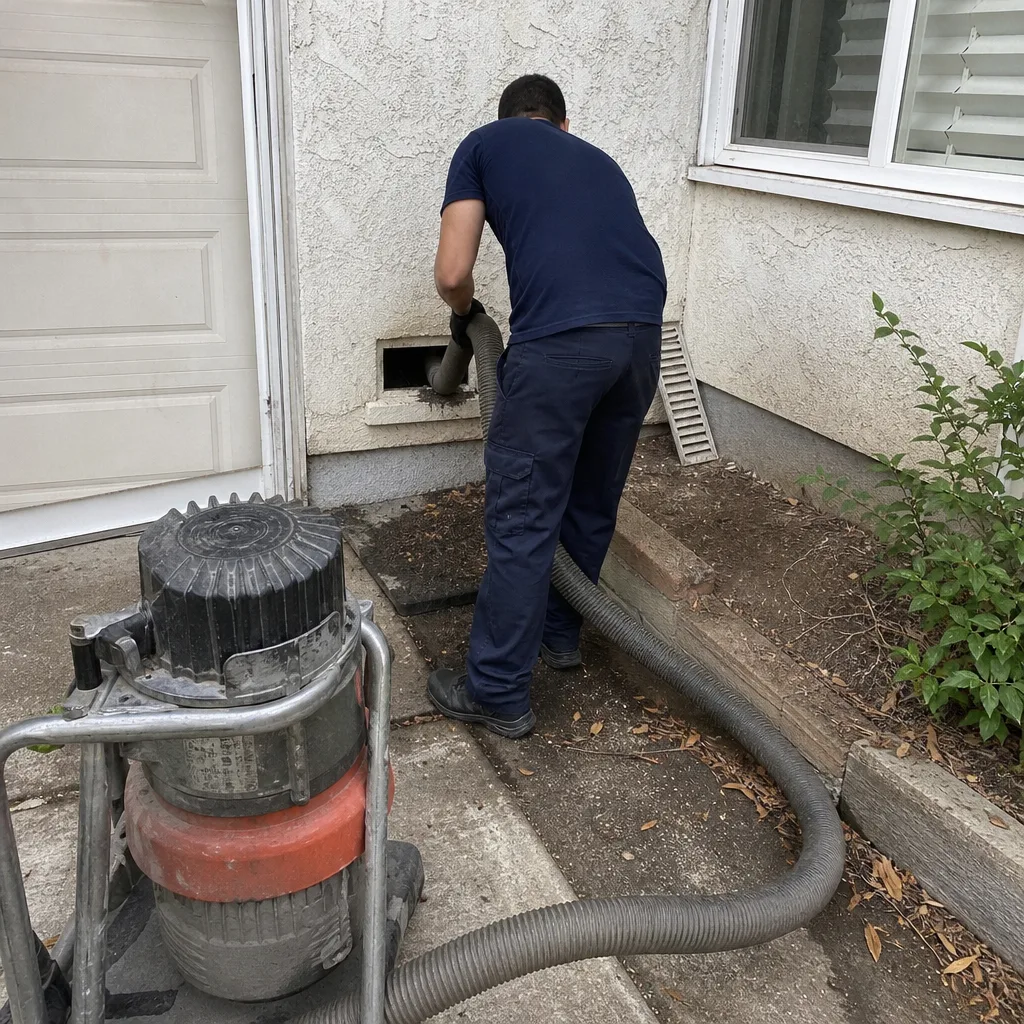 Before
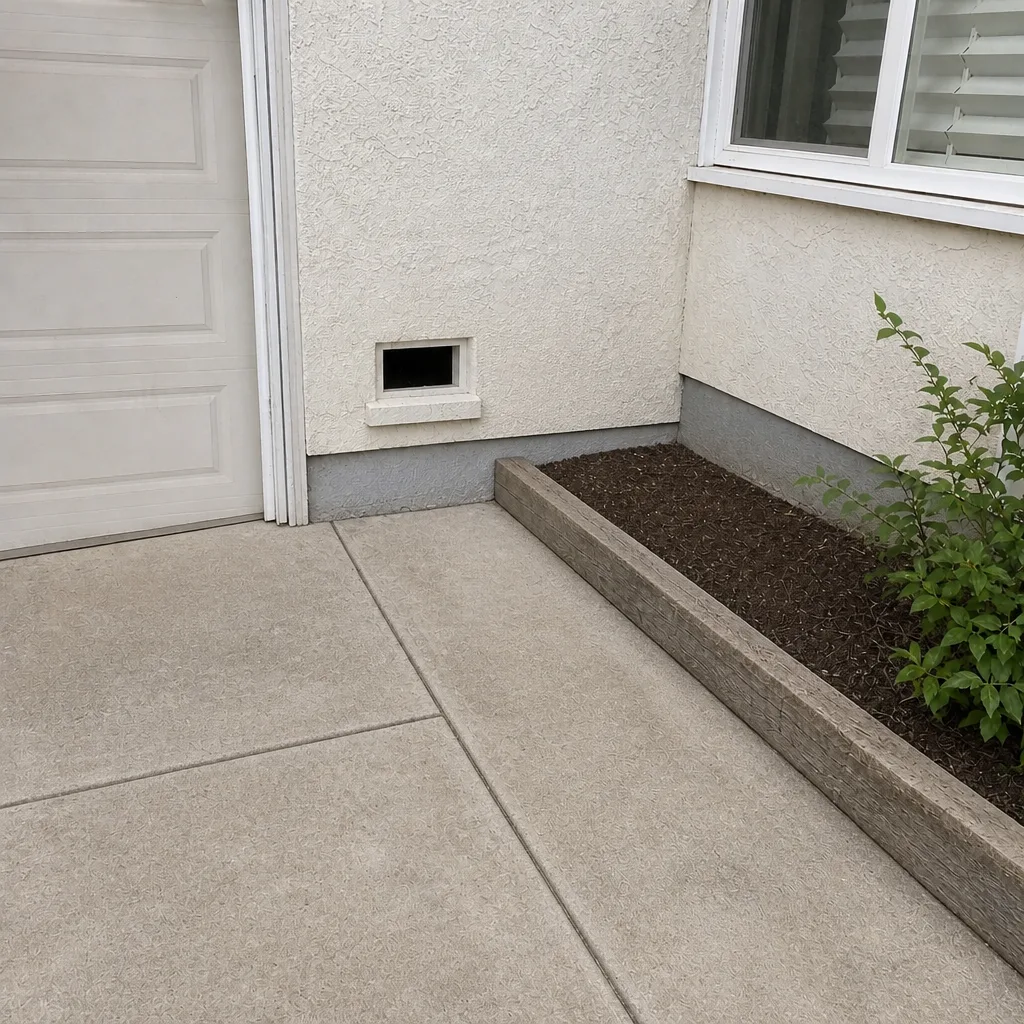 After
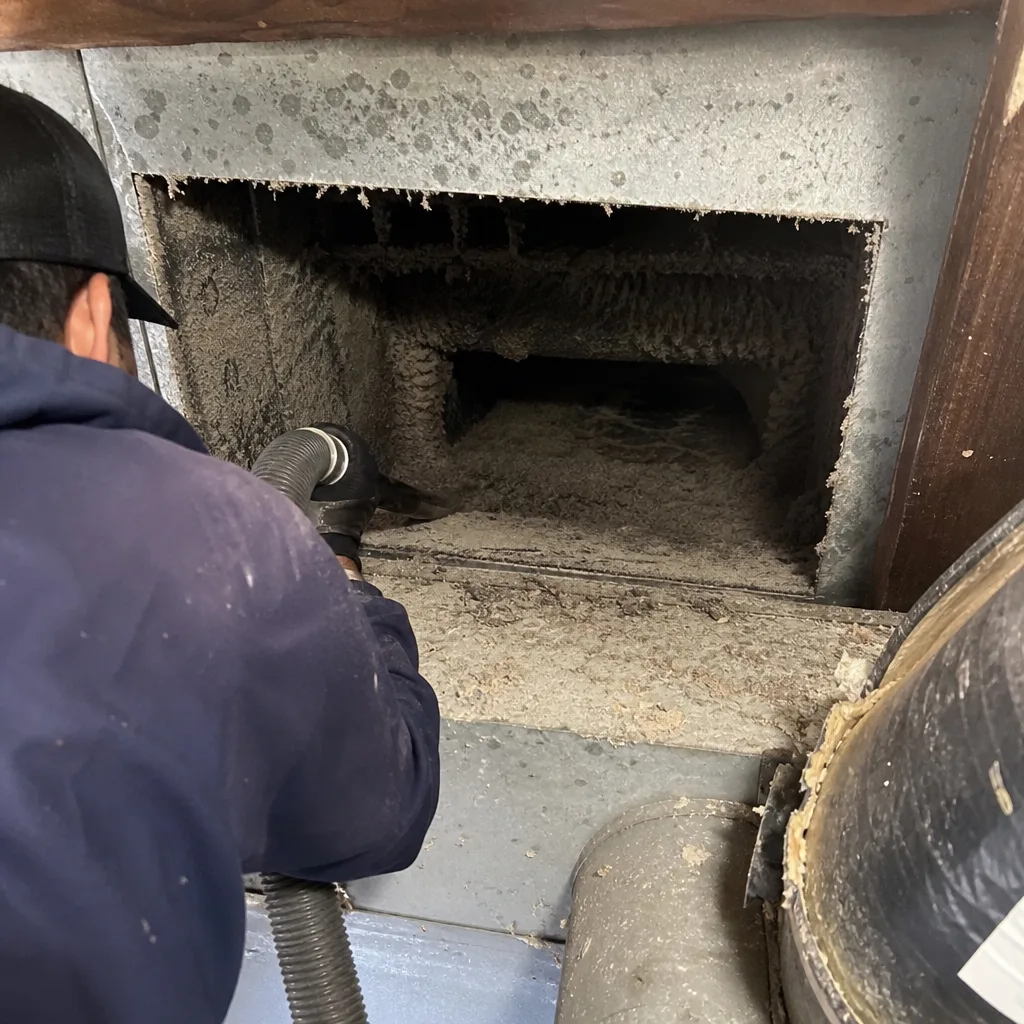 Before
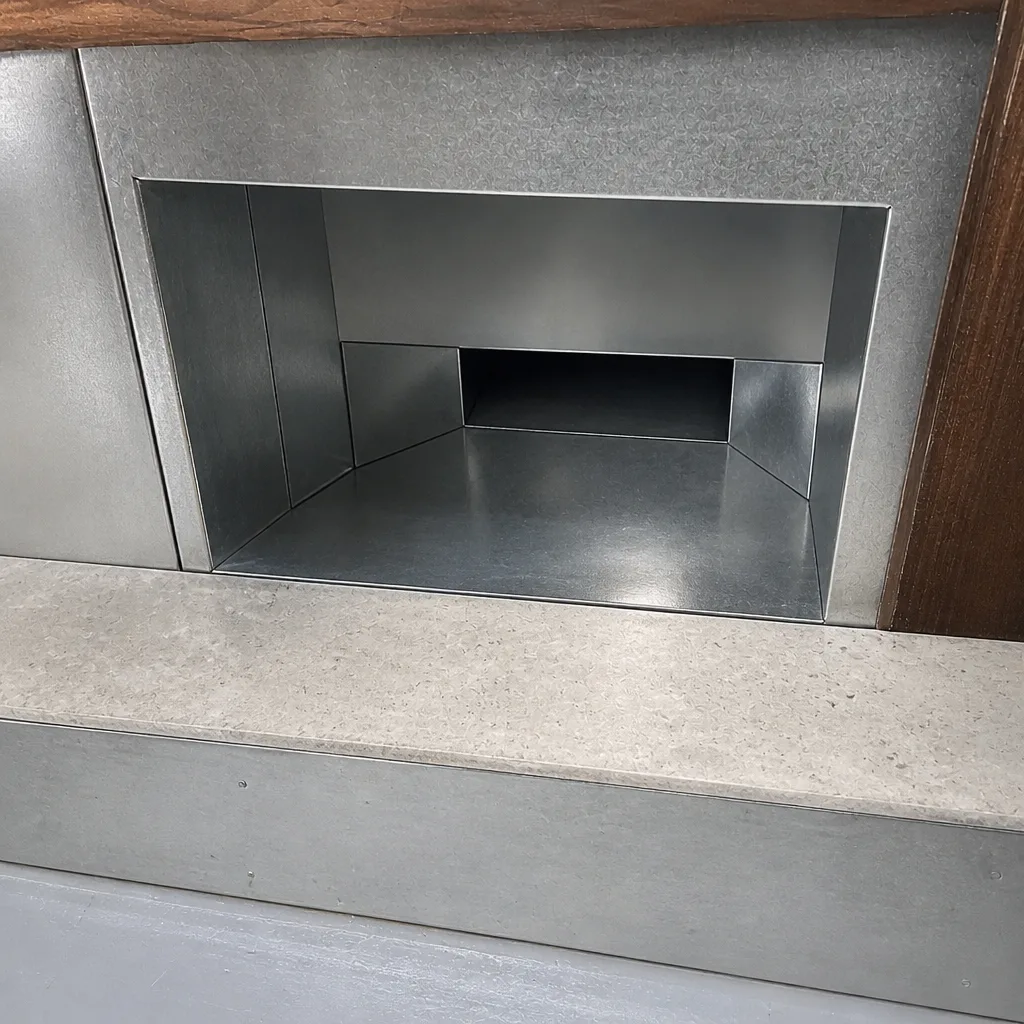 After
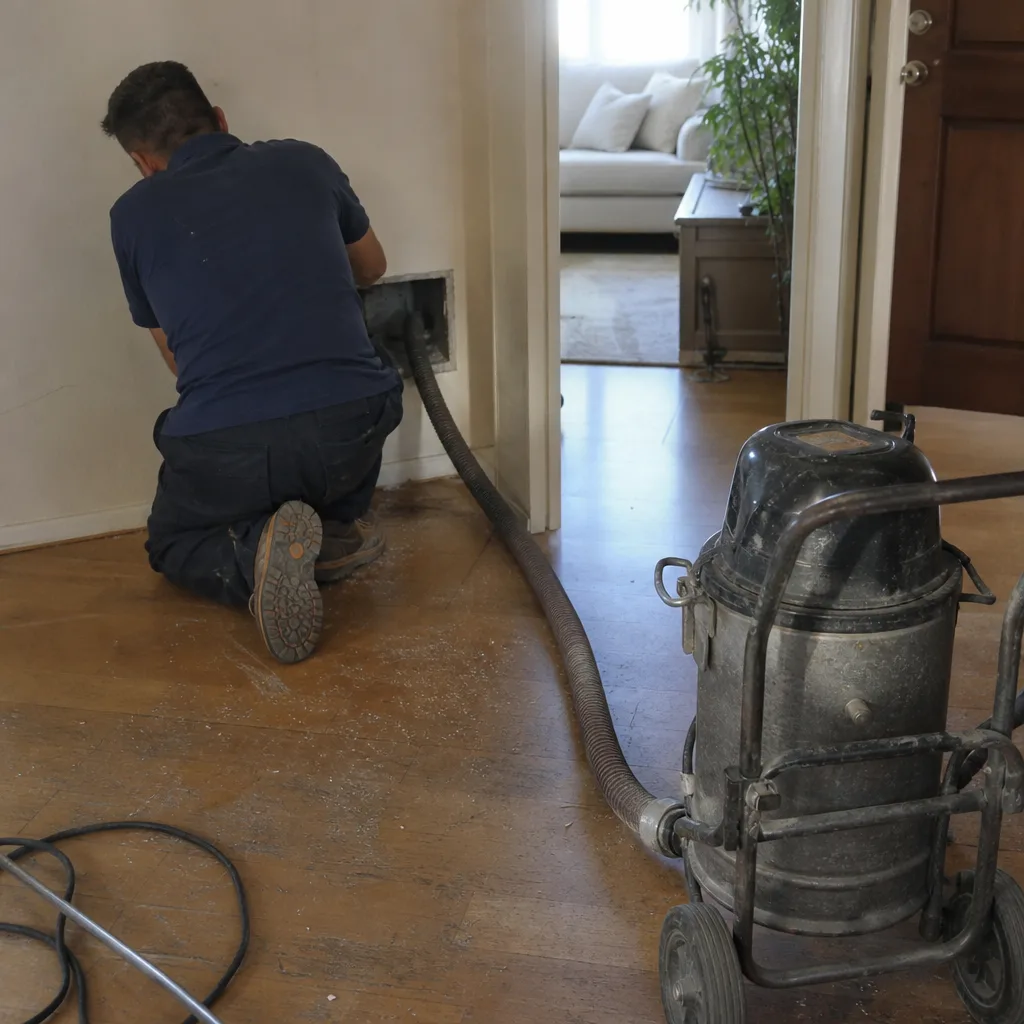 Before
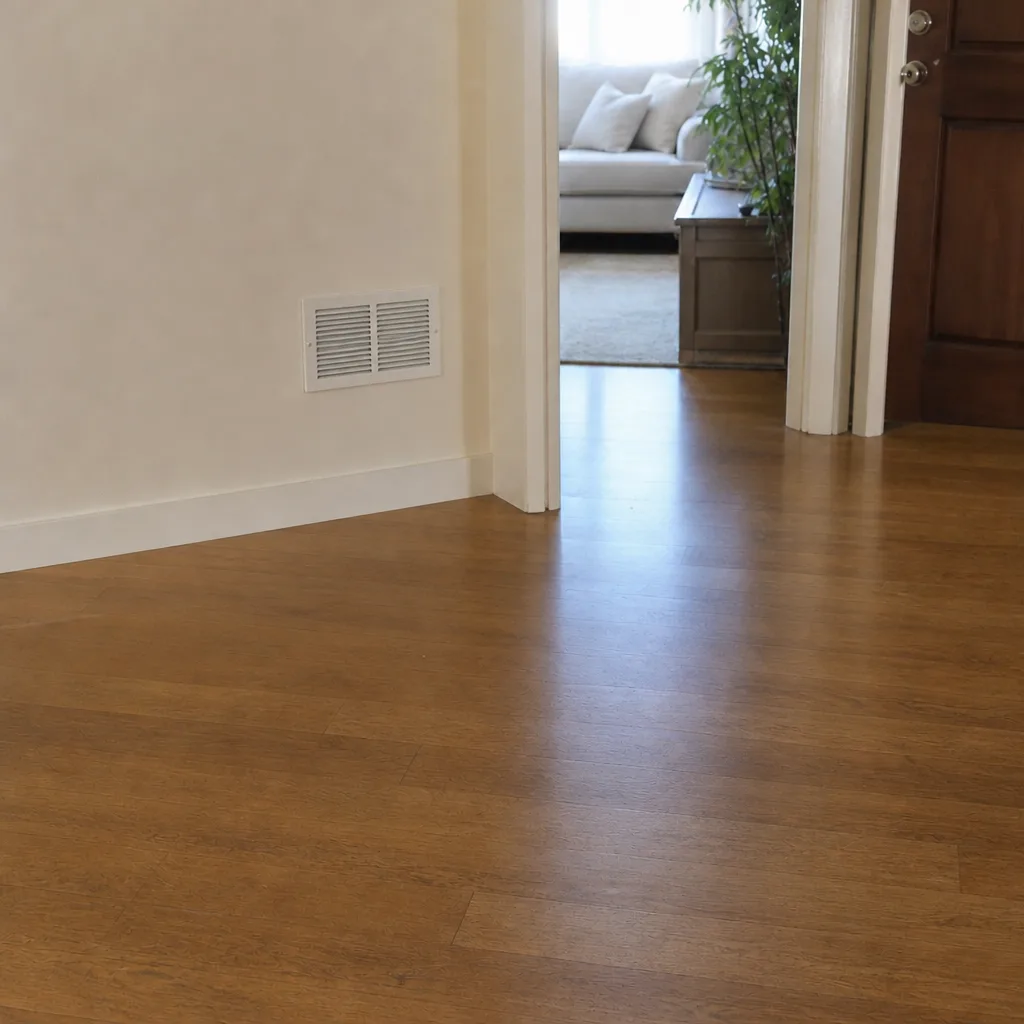 After
When to Call a Professional
Your own checklist covers a lot, but a few situations call for a professional visit rather than patience. Call if you see visible mold growth anywhere in the duct system or return throat. Call if the system shows moisture, staining, or rust around the air handler, since wet dust is a bigger problem than dry dust. Call if you’ve had a renovation with drywall dust and want the system cleaned and photographed before the dust settles permanently. Call if anyone in the home has developed new respiratory symptoms. Call if your runtime log shows a steady drift that a filter change doesn’t correct. Call if a visual check turns up a disconnected or crushed flex run, since that’s duct repair, not a cleaning item. And call if it’s been a year since the last cleaning and you’re in the biannual column from the decision tree. Costa Mesa Air Duct Cleaning Pros offers free estimates in Costa Mesa. Call (877) 492-3292. We answer 24/7. Fast dispatch from 7am to 7pm, Sunday through Friday. Estimates are free and the written estimate sets the final price.
Frequently Asked Questions
A typical single-family home in Costa Mesa runs roughly $350 to $700 for air duct cleaning, depending on system size, the number of branches, and whether duct repair and sealing is included. Larger homes and systems with significant leaks or contamination push toward the upper end of the range. The written estimate you receive before any work starts is the final price. Call (877) 492-3292 for an exact quote; estimates are free.
Cheaper quotes usually reflect less equipment, less scope, or a per-vent pricing model that leaves most of the system untouched. When you see a teaser figure, ask what equipment will be used, whether duct repair and sealing is included, and whether before-and-after photos of your own system are part of the job. Our pricing is one flat price per system, agreed before any work begins, not a per-vent charge. Call (877) 492-3292 to talk through a scope and get an exact estimate.
Before-and-after photos of your own register faces, return grille interior, air handler, and any accessible flex duct sections are the answer. The photos go with the estimate sheet, so you have a documented record of what was cleaned. Year-over-year comparison becomes genuinely useful once you have two years of photos. Call (877) 492-3292 to schedule a job with documentation included.
Most Costa Mesa homes do well on an annual schedule; homes with pets, smokers, allergy sufferers, recent remodeling dust, or a known mold history typically need every six months. Homes near busier corridors like the 55 freeway often load faster than inland homes and land in the biannual column even without those household factors. Your own filter pressure and runtime logs are the best confirmation. Call (877) 492-3292 to get an estimate for your specific home.
No, not in any way that meaningfully cleans the duct. A shop vacuum can reach a register face but not the duct run behind it, and it doesn’t have the negative-pressure extraction or HEPA filtration to capture what it disturbs. It can actually make the indoor air worse temporarily by mobilizing debris. Leave the duct cleaning to professional equipment. Call (877) 492-3292 to book a proper cleaning.
A leaky duct system reintroduces contaminants and wastes energy immediately after a cleaning, so repair and sealing should be part of the same visit rather than deferred. Fixing leaks found during cleaning is what makes the cleaning last. If you want the leaks addressed while the technician is already on site, mention it when you call. Call (877) 492-3292 for a free estimate that includes duct repair and sealing in the scope.
The Bottom Line
A real maintenance checklist for air ducts is a habit, not a scheduled event. Look monthly. Use a pressure reading instead of a calendar. Keep a runtime log. Photograph everything. Then let the decision tree tell you whether you’re annual or biannual. In Costa Mesa, the specific combination of basin air quality, seasonal particulate movement, and older housing stock means the answer is often sooner than a national average would suggest. Our technicians have up to 14 years of experience and use the equipment required to clean and seal the whole air pathway in one visit. Call (877) 492-3292. We answer 24/7. Fast dispatch from 7am to 7pm, Sunday through Friday. Estimates are free.
Written by the team at Costa Mesa Air Duct Cleaning Pros.