
Last updated November 25, 2026
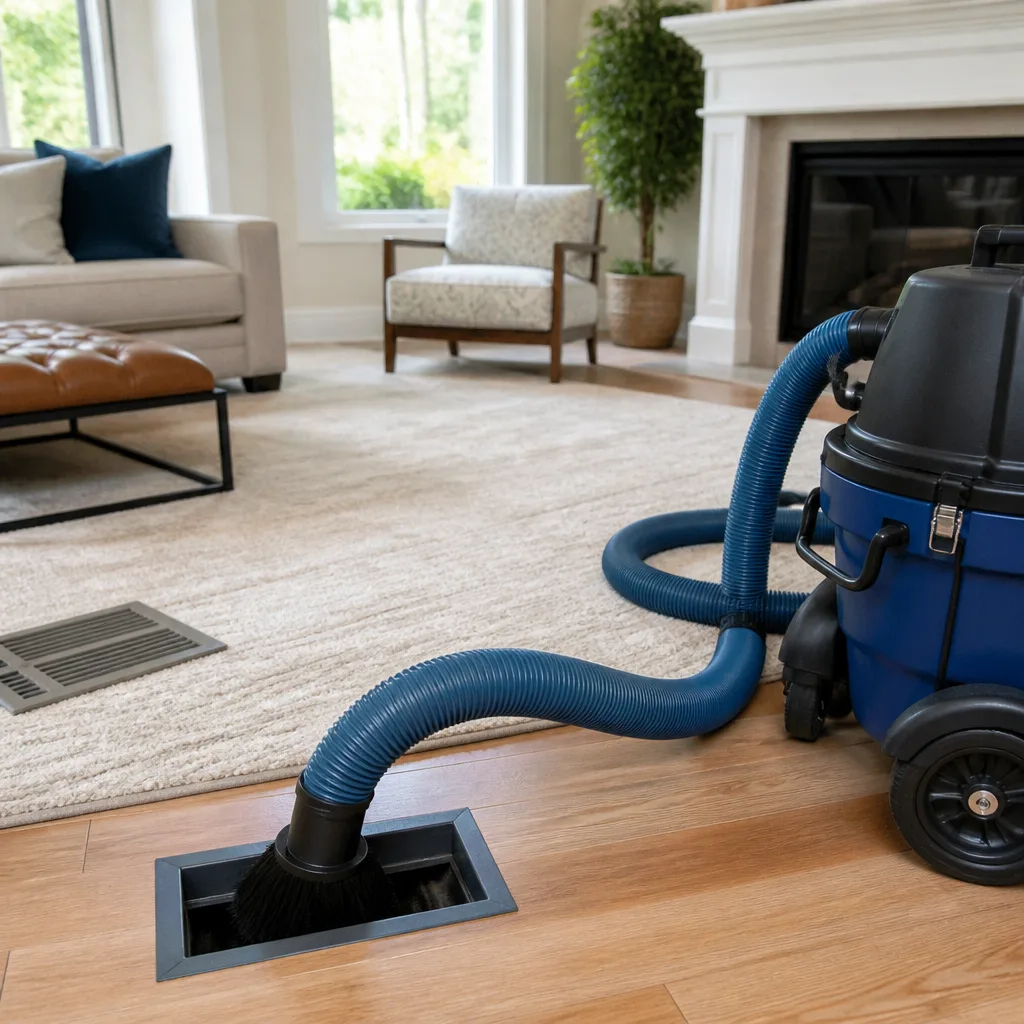 Whole-home duct cleaning
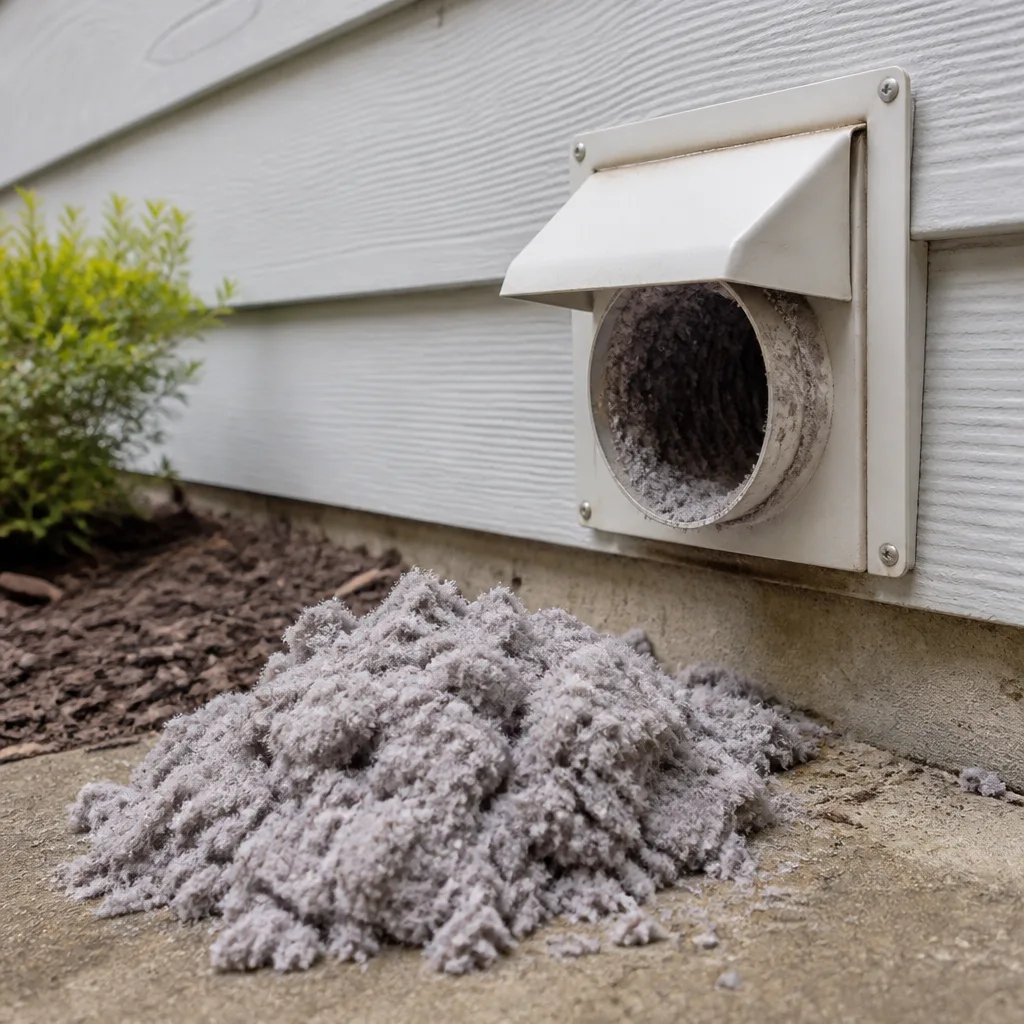 Dryer vent cleaning
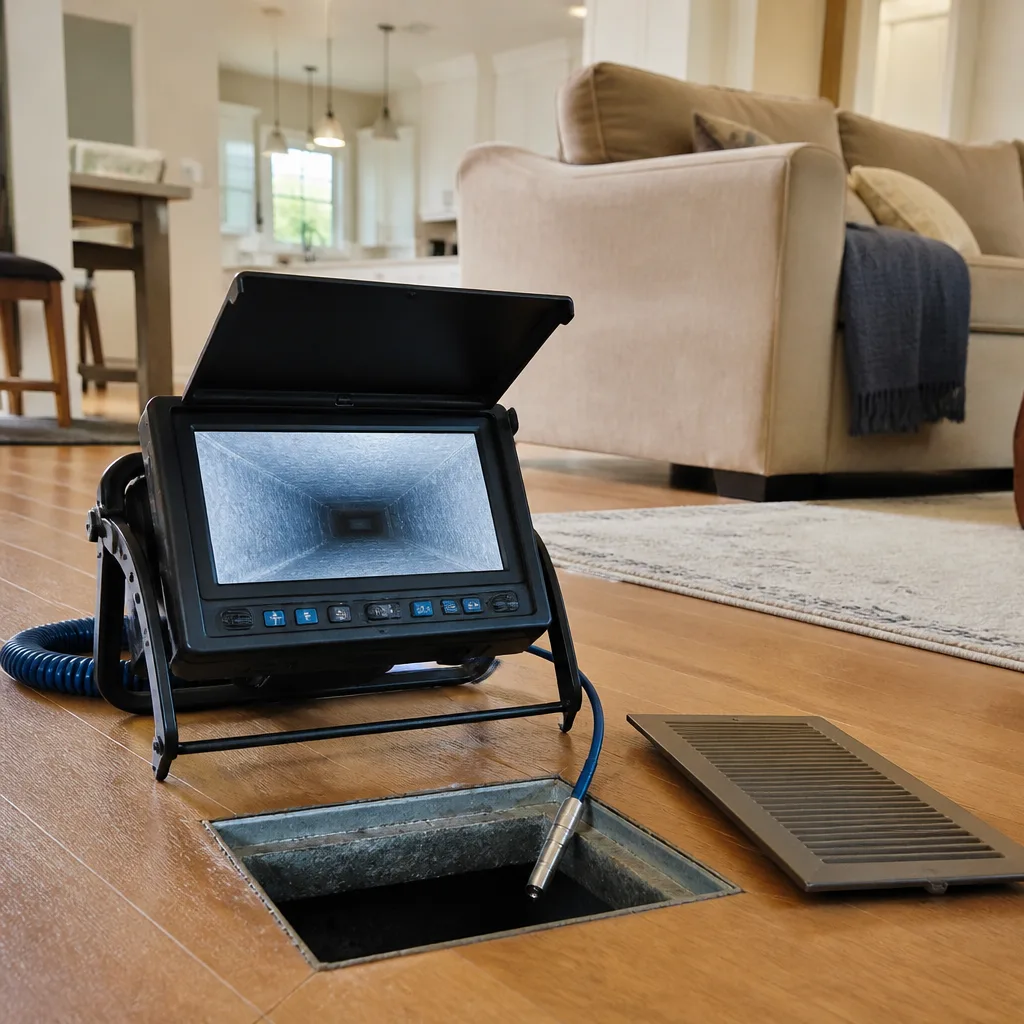 Camera inspection
 Sanitizing & deodorizing
Whole-system duct and dryer vent check with before-and-after photos - you see exactly what came out of your vents
That "$99 whole-house special" is a bait ad - the real number appears once they are in your hallway, or the "clean" is a shop-vac at the register. We photograph the inside of your ducts before and after instead.
Air Duct Cleaning Warning Signs: A Costa Mesa Homeowner’s Reference Guide
Visible dust on a register face is a late-stage indicator. By the time buildup is thick enough to see on the grille, restriction in the duct lining behind it has usually been dragging on system efficiency and indoor air quality for months. That’s the part most homeowners get backwards. They wait for something they can photograph, while the quieter signals – longer runtimes, uneven cooling, a system that no longer holds its setpoint – have been building all along. This guide is written to help Costa Mesa homeowners read those signals properly, tell a duct problem apart from an HVAC failure, and know when a cleaning is the right scope of work and when something else is.
Quick Answer
The most reliable air duct cleaning warning signs are performance-based: HVAC runtime increasing with no change in occupancy or thermostat settings, rooms taking longer to reach setpoint than they used to, and uneven cooling between rooms on the same system. Visible dust on registers and musty odors are real signs too, but they usually appear after those performance changes have already started. In Costa Mesa, post-remodel dust infiltration and older attic duct systems add specific triggers worth watching.
Styles & brands we work with
- Whole-home duct cleaning
- Dryer vent cleaning
- Camera inspection
- Sanitizing & deodorizing
Table of Contents
- The Performance Signals Homeowners Miss
- What You Can See and Smell – and What You Can’t
- What Only a Camera Inspection Reveals
- Costa Mesa Triggers: Remodels, Water, and Older Attic Ducts
- Duct Problem or HVAC Problem? How to Tell the Difference
- Cleaning vs. Replacement, Remediation, or Coil Service
- How to Verify the Work Was Actually Done
The Performance Signals Homeowners Miss
Start here, because this is where most duct contamination problems announce themselves first and get missed the longest. Dust on a grille is obvious. A blower running a few extra minutes every cycle is not. Those extra minutes are the more useful data point, and they don’t require any tools to notice – just attention to what your system normally does.
Three performance signals are worth tracking in a Costa Mesa home:
- Runtime creep. Your HVAC used to satisfy the thermostat in a predictable window. Now it runs longer to hit the same setpoint, and nothing has changed – same number of people in the house, same thermostat schedule, same weather. Longer runtime against the same load is one of the earliest measurable signs that airflow is being restricted somewhere in the pathway.
- Slower time to setpoint. When rooms that used to cool down within a normal cycle now take noticeably longer, the system is working against a restriction. The setpoint is still reached; the trip to get there is just more expensive and more drawn out.
- Uneven cooling on one system. If rooms that share the same HVAC now cool at different rates – a bedroom that lags well behind the rest of the house, or a room that never quite catches up – that points toward flow imbalance. Restricted ductwork, collapsed flex duct, or disconnected runs all show up this way.
None of these signals tells you on their own that the ducts are dirty. A restricted system can be restricted by debris coating the liner, but it can also be restricted by a failing component elsewhere. What they do tell you is that the system deserves a closer look, and that the look should start with the air pathway rather than the equipment. For a homeowner in Costa Mesa, tracking these three things over a few weeks gives you a much better starting point for a real conversation than a photo of a dusty vent. If those signals line up with a cleaning need, our air duct cleaning service is where the diagnostic usually leads.
What You Can See and Smell – and What You Can’t
Visible evidence is real evidence – it just arrives late. Treat what you can see as confirmation, not as your first alert. When homeowners in Costa Mesa describe the moment they finally booked a service, it’s almost always a visible or olfactory cue that tipped them. The trick is to understand what those cues actually indicate about the duct lining behind the vent.
Here is what to watch for and what each signal suggests:
- Dust streaking on the register face or the wall around it. Consistent dust trails around a grille usually mean the supply air is carrying particulate out of the duct and depositing it at the exit. It’s a sign of debris in the pathway, not just dust in the room.
- Dark buildup inside the grille, visible when you look up. Look at the return air grille first – returns in a home usually carry more dust than supplies, so buildup there is often the earliest interior cue you can see without a camera.
- A musty or “basement” smell when the system first kicks on. That first-minute odor is often the most telling, because it’s air moving across duct surfaces that have been sitting undisturbed. Musty means moisture somewhere in the pathway. Sour or chemical means it’s worth investigating further before assuming the ducts are the only problem.
- Dust settling quickly after you clean. If surfaces in a room re-dust within a day or two of thorough cleaning, that’s air being delivered dirty. A filter change is the sensible first step, but if fresh dust returns with a new filter in place, the ducts are the next place to look.
What you can’t see matters as much. The interior of a duct run – the part that actually touches your air – is hidden behind drywall, in attic chases, or under floor sheathing. Odor and dust tell you something is happening. Only an inspection tells you where, and how bad.
What Only a Camera Inspection Reveals
A camera inspection takes the guesswork out of the diagnosis. That’s the honest answer to the question of why a proper duct cleaning involves looking before quoting. A technician who walks the house, opens registers, and runs a camera through the returns and main trunk will see things no surface dust pattern can show.
Here’s what camera inspection typically reveals in a Costa Mesa home, and what each finding means:
- Microbial growth on duct liner. The interior fiberglass liner on main trunks can host growth when moisture has been present. Visible growth on the liner is a step up from plain contamination and changes the scope of work – cleaning alone isn’t the right answer if the liner is compromised.
- Deteriorating flex duct inner liner. Many homes here were built with flex duct in attic runs. Over time the inner liner can separate and begin shedding fibers into the airflow. Camera footage of a torn or collapsing inner liner tells you that section needs to be repaired or replaced, not just cleaned.
- Pest debris in low duct runs. Low runs, especially in older homes, can accumulate droppings, nesting material, or insect debris over the years. That’s a sanitation job as much as a cleaning job, and it’s the kind of thing you won’t find until you look inside.
- Gaps, disconnected joints, and unsealed transitions. Loose joints and unsealed transitions pull attic air, insulation fibers, and whatever else is nearby into the supply air stream. That’s why a repair and seal step matters – our Costa Mesa Air Duct Cleaning Pros team handles Duct Repair & Sealing in the same visit rather than leaving it for a second contractor.
- Coil and plenum condition. In an attic air handler, the evaporator coil and the plenum above it often show the same debris load as the ducts. That’s the reason our scope of work extends through the system and includes the air handler, not just the ducts.
We run Rotobrush contact-vacuum equipment and Nikro tools on every cleaning, and Abatement Technologies negative-air and HEPA filtration equipment during service to capture displaced contaminants. Another way to put it: the process is built to see the problem, contain it, and remove it, not just to blow air around the house. That’s the difference between cleaning a duct and improving an air pathway.
Costa Mesa Triggers: Remodels, Water, and Older Attic Ducts
Costa Mesa homes have a few specific triggers that push a duct system from “fine” to “needs attention” faster than general age alone. Some of these are invisible in the moment. They only show up months later as performance change or odor.
The triggers we see most often in Costa Mesa:
- Post-remodel dust infiltration into return air. Any renovation in a home with the HVAC running pulls fine drywall dust, sawdust, and construction particulate into the return system. Those particles settle on duct surfaces, and some lodge in the air handler. If your home has been remodeled in the last year or two and the system hasn’t been cleaned since, that’s a strong signal to have it looked at.
- Post-flood or water intrusion and liner mold indicators. Water reaching the duct runs – from a roof leak, a plumbing failure, or a slow absorption problem – is a serious concern for the interior liner. Water intrusion in attic ductwork often leaves musty odor and evidence of growth inside the trunk that a camera inspection reveals. If there has been any water event, inspection before cleaning is the right order of operations.
- Signs of previous pest activity in older attic spaces. Costa Mesa has a lot of older tract homes and Eichler-era construction, and many share the characteristic of low-clearance or long attic duct runs. Those spaces are attractive to pests, and older flex duct in particular can harbor debris that isn’t visible from a register.
- Dryer vent risk. Lint accumulation in a dryer vent is a documented fire risk and one of the few warning signs in the home that can be treated as urgent. Dryer vent cleaning is included in our service lineup for a reason – it’s fire prevention, not an add-on. When you notice longer dry times or a hot dryer exterior, that’s a real sign, and our dryer vent cleaning service addresses it directly.
We treat these triggers as reasons to inspect, not reasons to automatically sell a cleaning. There’s a difference between “your home has been remodeled” and “your ducts need cleaning.” The inspection tells you which one applies.
Duct Problem or HVAC Problem? How to Tell the Difference
This is where homeowners get sold services they don’t need. Long runtime and uneven cooling are not exclusive to duct problems – they can come from low refrigerant, a failing blower motor, or a dirty evaporator coil. The signs overlap, and that overlap is exactly why a technician who only cleans ducts is a limited resource. You want a diagnostic that looks at the whole air pathway before anyone commits to a scope of work.
A useful way to reason through it:
- If runtime is up but every room cools evenly and the airflow at registers feels strong – the restriction is more likely at the equipment than in the ducts. Low refrigerant or a failing component is a strong suspect. Cleaning the ducts won’t fix this, and you should be skeptical if that’s the recommendation.
- If airflow is strong at some registers and weak at others – that’s a ducting problem. Restricted or disconnected runs, or a damaged flex duct, are the likely cause. Cleaning plus repair and sealing is the right scope.
- If airflow is weak everywhere and there’s dust streaking on multiple registers – a duct cleaning plus coil check is the right first step. The debris load on the pathway is likely also on the coil.
- If odor is the primary complaint and performance is fine – inspection first. Odor means moisture or contamination somewhere specific. Cleaning is one possibility; remediation is another. The camera inspection tells you which.
- If the system is new but symptoms persist – look at the ducts. Even with a new air handler, a restricted or contaminated duct system will keep dragging down performance and air quality.
Our HVAC cleaning service exists precisely because the two problems so often travel together. When we look at a system, we’re evaluating the ducts, the air handler, the coil, and the return plenum as one continuous pathway – so the diagnosis accounts for the whole system instead of one piece of it.
Cleaning vs. Replacement, Remediation, or Coil Service
Cleaning is the right answer more often than it isn’t, but it’s not the only answer. Knowing which category your warning signs fall into before you agree to a scope of work keeps the job honest and the outcome right. Here’s how the categories break down.
- Cleaning is the right scope when: the ducts show accumulation of dust, debris, or general contamination; performance signals point to restricted airflow; airflow is inconsistent between runs; and the camera inspection shows intact duct walls and liners.
- Duct repair and sealing is the right scope when: the inspection shows gaps, loose joints, disconnected flex sections, or failing inner liners. Cleaning without repair just clears the debris that will be pulled back in by leaking joints. Our Duct Repair & Sealing service deals with this in the same visit for that reason.
- Mold remediation is the right scope when: the inspection shows visible microbial growth on duct liner or water-damaged sections. Remediation includes removal or replacement of compromised sections and may involve Abatement Technologies equipment for containment during the work. Cleaning alone is not the answer here, and any scope that proposes cleaning without address of the growth should be questioned.
- Coil service is the right scope when: the evaporator coil is fouled, or when airflow through the air handler is restricted by debris on the coil face. Coil cleaning is part of our HVAC cleaning scope, not an add-on service.
- Replacement of duct sections is the right scope when: flex duct inner liners are shedding, sections have collapsed, or the damage is beyond what cleaning and sealing can restore.
Where long-term air quality is the goal, we also install Honeywell and Aprilaire filtration and air quality products – so the system you end up with after the work is cleaner by design, not just cleaner on the day. If the warning signs point toward air quality improvement as much as cleaning, our Air Quality & Sanitizing service is where the conversation continues. Guardsman products are part of that toolkit as well.
How to Verify the Work Was Actually Done
The single best defense against the bait-and-switch reputation this industry carries is documentation. If a technician can’t show you what was in the ducts before and after the work, you have no way to know what actually happened. That’s not a knock on any specific company – it’s a reasonable standard for a service conducted inside concealed spaces.
What to look for on any duct cleaning job in Costa Mesa:
- Before-and-after photos of your own ducts. Not stock photos, not generic images – your ducts, your system. If the equipment has a screen, ask to see the pre-cleaning camera footage. A proper scope includes seeing the problem before quoting the solution.
- Documented scope of work. Written scope that names what was cleaned, what was repaired, and what was replaced. Distinguishes clearly between cleaning, sealing, and sanitation.
- One flat price per system, agreed before work starts. No per-vent pricing, no low teaser that grows once the technician is on site. Written estimate sets the final price, and it’s the price you were quoted.
- Equipment you can identify. Ask what machine is being used. Rotobrush contact-vacuum systems physically agitate debris rather than relying on suction alone, and that matters. The containment equipment – Abatement Technologies negative-air and HEPA filtration – is the other half of a professional job.
- Satisfaction guarantee in writing. Ask for the terms before work starts, not after.
None of this is complicated to request. A company that does the work properly is happy to show you both the before and the after.
Common Mistakes to Avoid
- Waiting for visible dust on the register before considering a cleaning. By the time dust shows on the grille, the duct lining behind it has usually been restricted for a while. Track runtime and cooling evenness, not just what’s on the outside of the vent.
- Booking the cheapest quote without asking what’s actually being cleaned. A low-priced duct cleaning is often a surface vacuum of visible registers and a quick pass through the main trunk. That doesn’t address the pathway, and it doesn’t touch coil buildup.
- Accepting a cleaning when the diagnosis is a duct problem, not a contamination problem. If the airflow is weak at one register and strong at another, cleaning alone won’t fix the imbalance. Repair and sealing is the fix, and it should be in the same scope.
- Assuming an HVAC performance complaint is a duct problem, or the reverse. Low refrigerant and a dirty duct system produce similar symptoms. A technician who only cleans ducts will recommend cleaning; a technician who diagnoses the whole system will recommend what the system actually needs.
- Skipping the dryer vent until it’s an emergency. Dryer vent lint buildup is a fire risk, and the sign most homeowners notice first – longer dry times, a hot dryer exterior – is late. Dryer vent cleaning is a fire-prevention service and belongs on a periodic watch, especially in any Costa Mesa home with an older dryer or a long vent run.
- Not asking for before-and-after photos of your own ducts. If the work isn’t documented, you can’t tell whether the cleaning removed anything at all. Request the photos before the technician leaves.
- Treating a musty odor with a filter change alone. A filter change helps dust, but musty odor usually means moisture in the duct lining or a compromised section. Odor is a signal to inspect, not a signal to keep buying filters.
See the difference
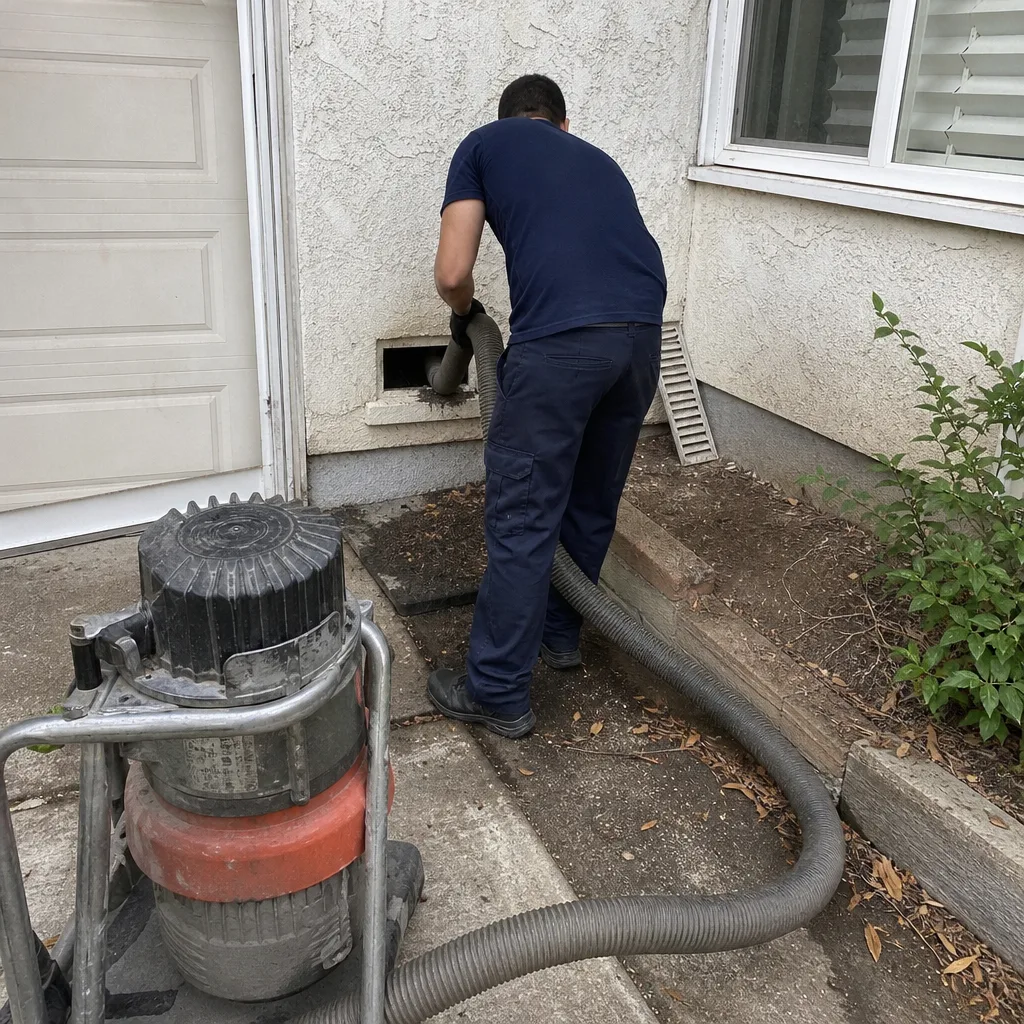 Before
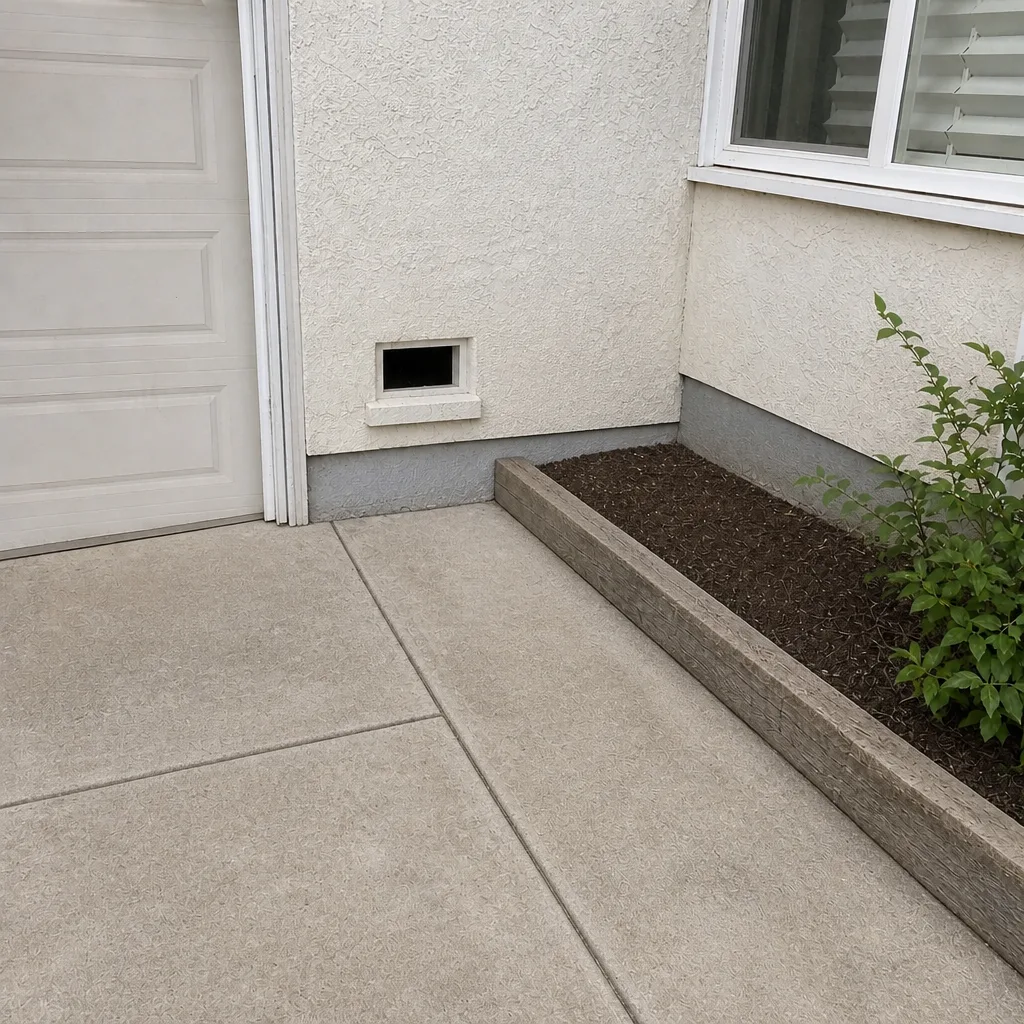 After
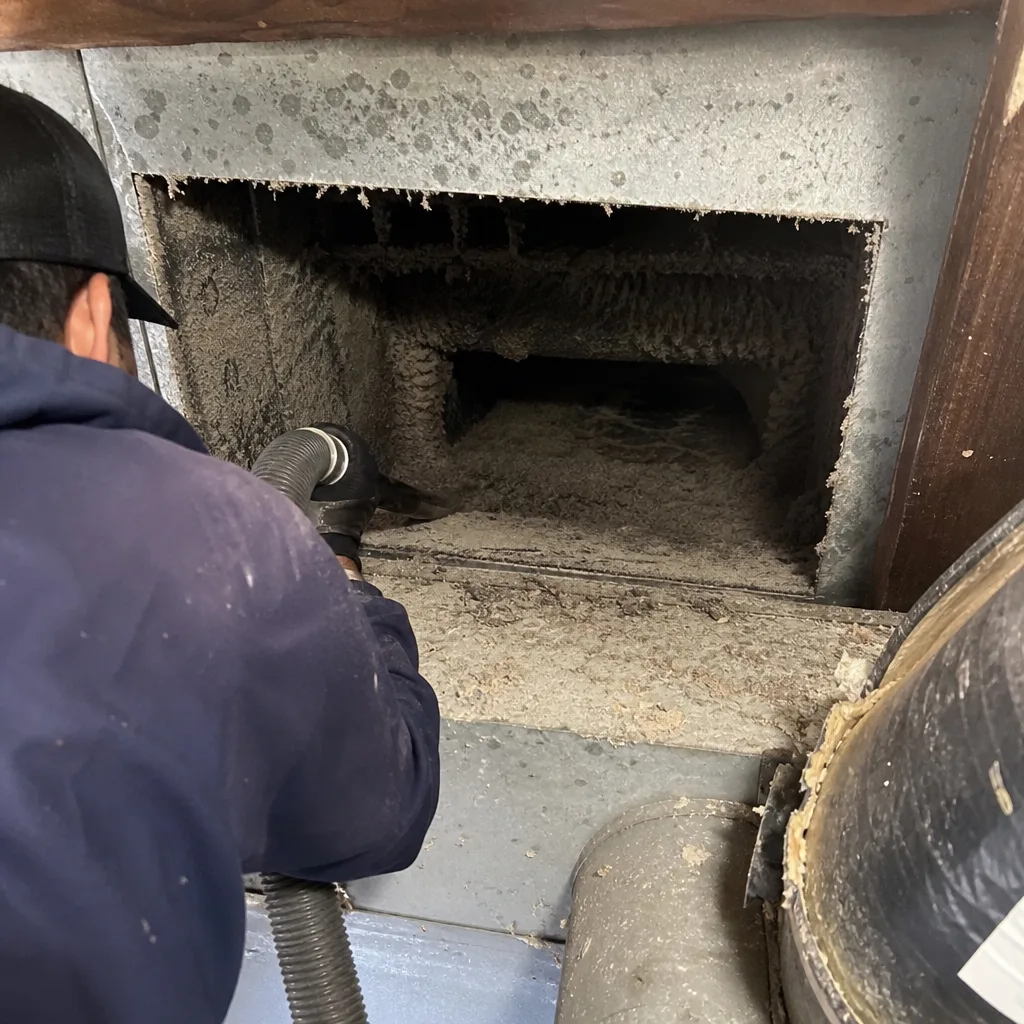 Before
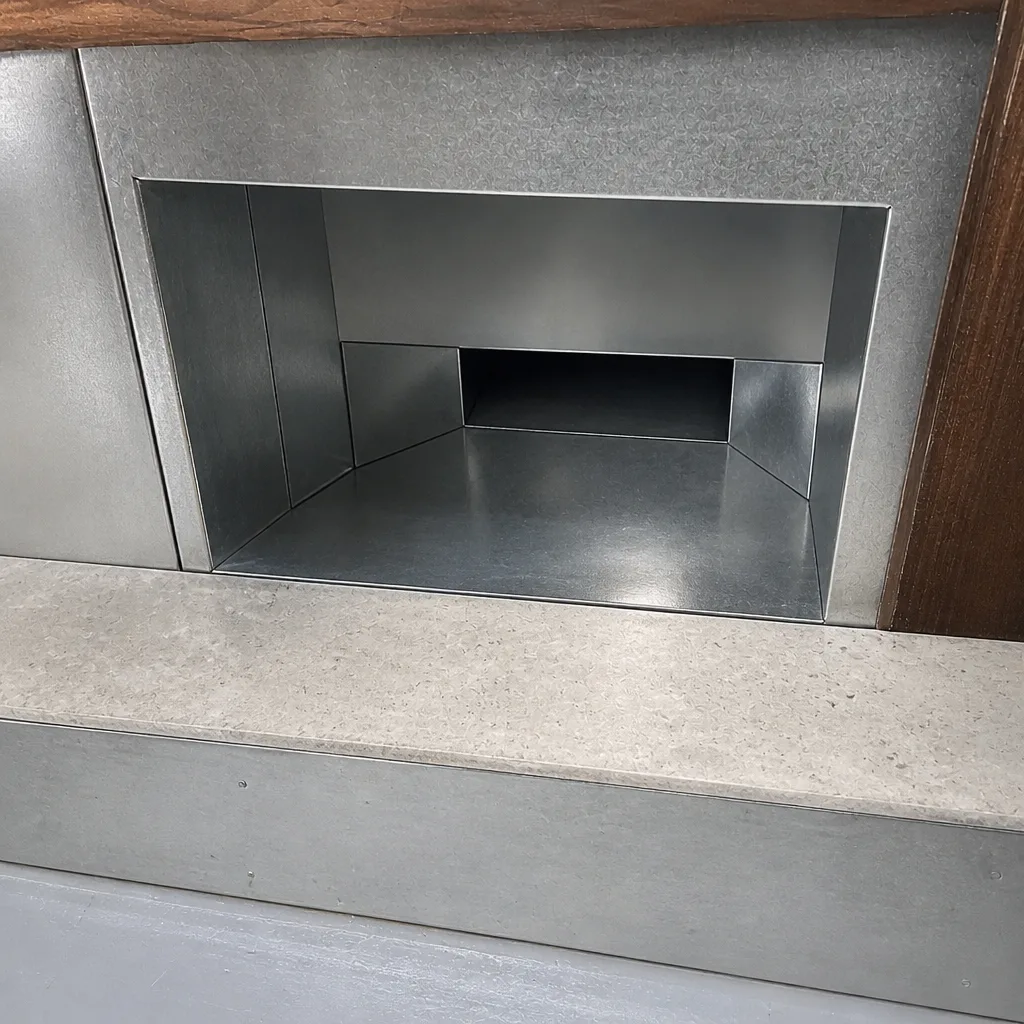 After
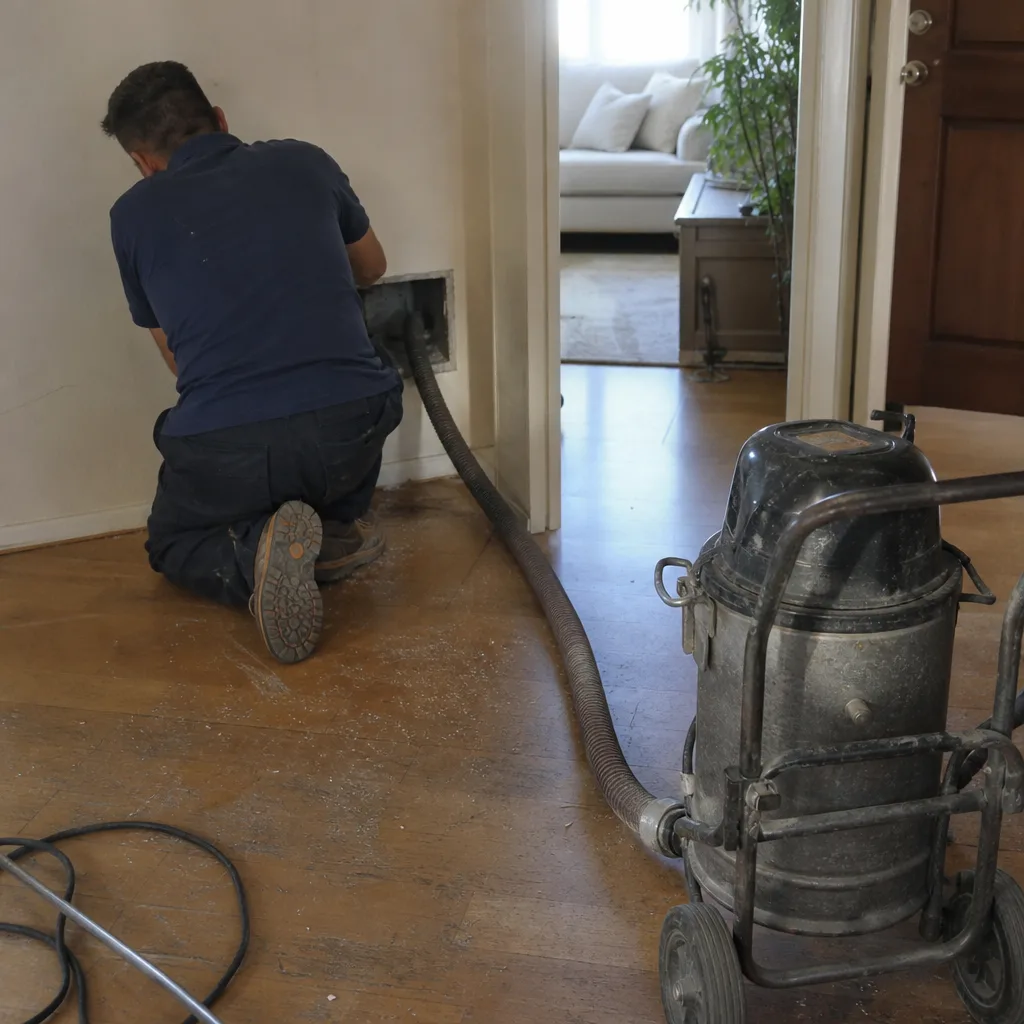 Before
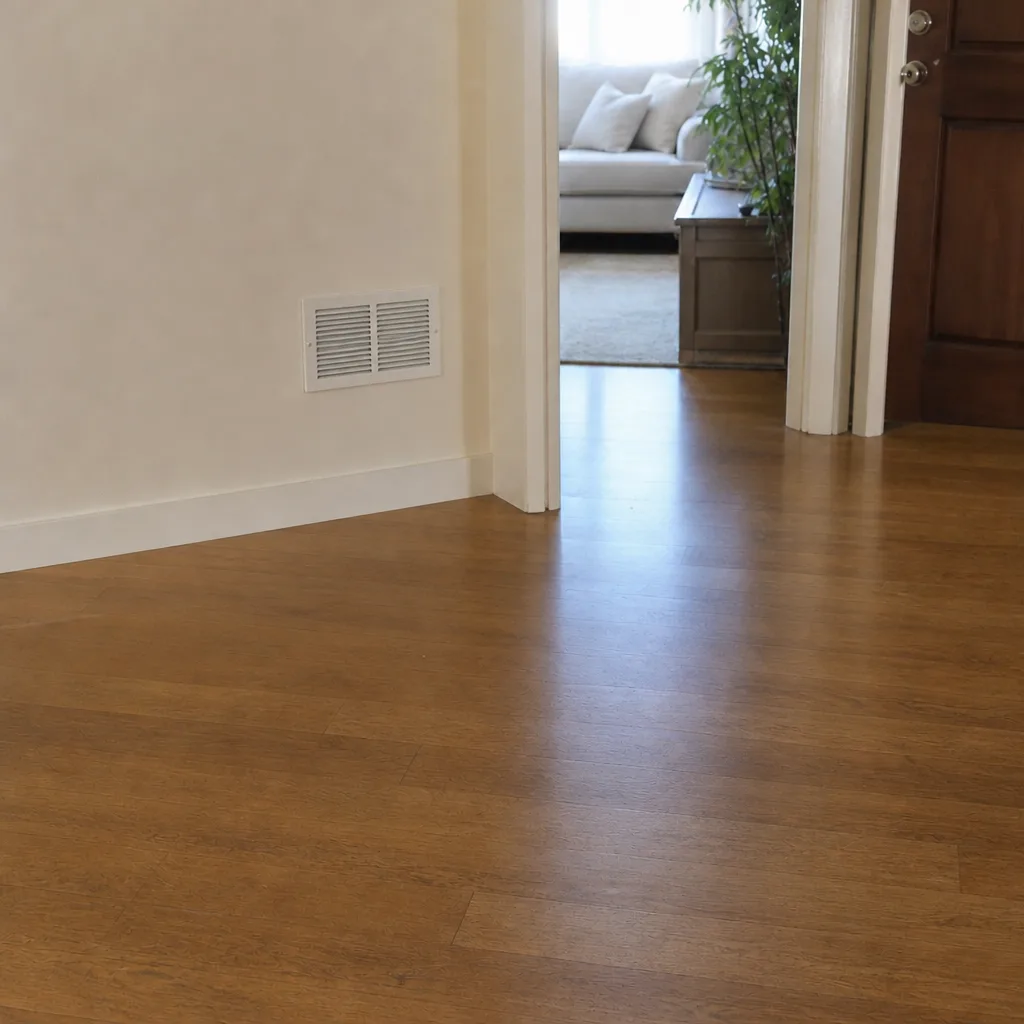 After
When to Call a Professional
Call a professional when the warning signs are performance-based and persistent: runtime that keeps climbing, rooms that cool unevenly on the same system, or a system that’s no longer reaching its setpoint in the same window it used to. Call immediately after a renovation or a water event, especially if the HVAC was running during either. Call if you notice musty odor on startup, visible microbial growth through a register, or any sign that pests have been in the attic duct runs. And call if it’s been a while since the dryer vent was cleaned – that’s a fire-prevention service, and the signs are easy to miss until they aren’t. Costa Mesa Air Duct Cleaning Pros offers free estimates in Costa Mesa – call (877) 492-3292.
Frequently Asked Questions
Pricing for air duct cleaning in Costa Mesa is set per system, not per vent, and the final price is established by the written estimate after the system has been inspected. Honest quotes vary with the number of systems, the condition of the ductwork, and whether repair and sealing is part of the scope. We don’t quote from a phone call alone because we’ve seen 10-register systems in worse condition than 30-register systems in the same city. Call (877) 492-3292 for a free estimate – the estimate is free and the price you’re quoted is the price that holds.
The cheapest quotes are usually cheap because they clean the smallest amount of the system – visible registers and a quick pass through the main trunk, without a camera inspection, without containing the dust displaced during cleaning, and without touching the coil or returns. Professional equipment and proper containment cost money to run. Ask what’s being cleaned and whether before-and-after photos of your own ducts are included. If those answers aren’t clear, the low number is the answer to a different question than the one you asked. Call (877) 492-3292 and we’ll walk you through exactly what’s in our scope.
Ask for before-and-after photos of your own ductwork, and ask to see the pre-cleaning camera footage. A technician using a Rotobrush contact-vacuum system with Abatement Technologies containment can show you what came out and from where. Written scope of work, a written estimate that holds, and photos of your own ducts are the three documents that prove the job happened. Call (877) 492-3292 for a free estimate – we’ll show you what’s in your system before we quote the work.
Most homes don’t need it on a fixed calendar. The right trigger is condition, not time – and that means watching performance signals rather than counting years. Homes that have just been remodeled, that have had a water event, or that show pest activity in the attic runs should be inspected sooner. Homes with no triggers and stable performance can go longer. A musty odor or climbing runtime is a stronger reason to call than any interval on a brochure. Call (877) 492-3292 for an honest look at whether your system actually needs cleaning now.
Sometimes, yes – if a restricted duct, collapsed flex run, or leaking joint is causing the imbalance, cleaning plus repair and sealing will help. But uneven cooling can also come from a failing blower motor, low refrigerant, or a fouled coil, and no amount of duct cleaning will fix those. That’s why inspection before cleaning is the right order of operations. Call (877) 492-3292 and we’ll diagnose the whole air pathway before recommending anything.
You should at least schedule an inspection. Remodel dust – drywall dust, sawdust, fine construction particulate – gets pulled into the return air whenever the HVAC runs during the work. That debris settles on duct surfaces and in the air handler. Whether cleaning is required depends on how much got in and how much accumulated, and the camera inspection answers that. If the system has been running through construction, inspection is worth the call. Call (877) 492-3292 for a free estimate.
It depends on what the airflow and register behavior look like. If every room cools evenly but runtime is up, the likely culprit is the equipment – low refrigerant or a failing component. If airflow is uneven between registers, it’s more likely a ducting problem. The overlap is exactly why a whole-system diagnostic comes first. Call (877) 492-3292 for an evaluation of the full air pathway.
The Bottom Line
The actionable duct cleaning warning signs are almost never visible. They’re runtime that keeps climbing, rooms that no longer cool evenly, and a system that takes longer to reach the setpoint than it used to – not dust on a register. Add the Costa Mesa-specific triggers – recent remodels, water events, pest activity in older attic runs – and you have a real diagnostic framework. When the signs point to a cleaning need, our indoor air quality specialists use Rotobrush and Nikro equipment with Abatement Technologies containment, document the work with before-and-after photos of your own ducts, and handle Duct Repair & Sealing in the same visit because that’s where the fix usually lives. Our technicians have up to 14 years of experience. Call (877) 492-3292. We answer 24/7. Free estimates, one flat price per system agreed before work starts, and the written estimate sets the final price.
Written by the team at Costa Mesa Air Duct Cleaning Pros.