
Last updated November 25, 2026
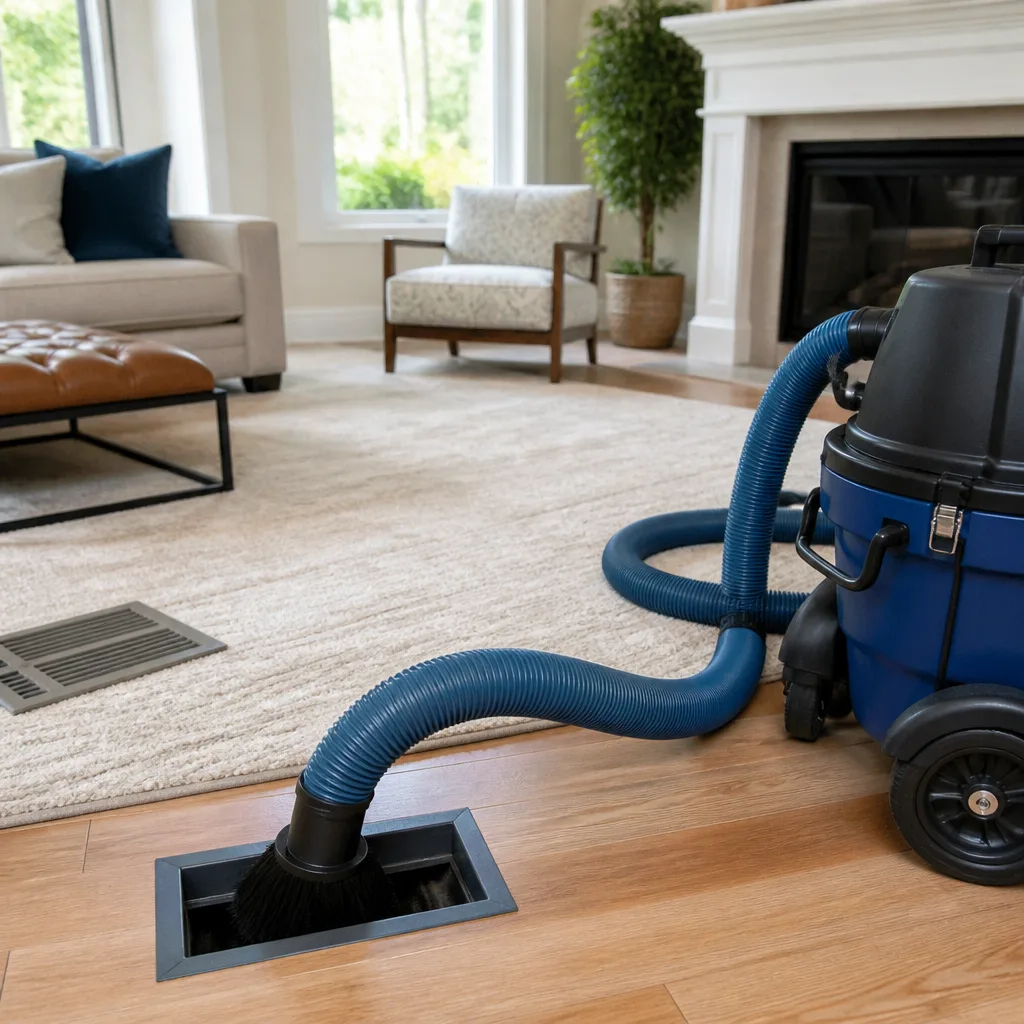 Whole-home duct cleaning
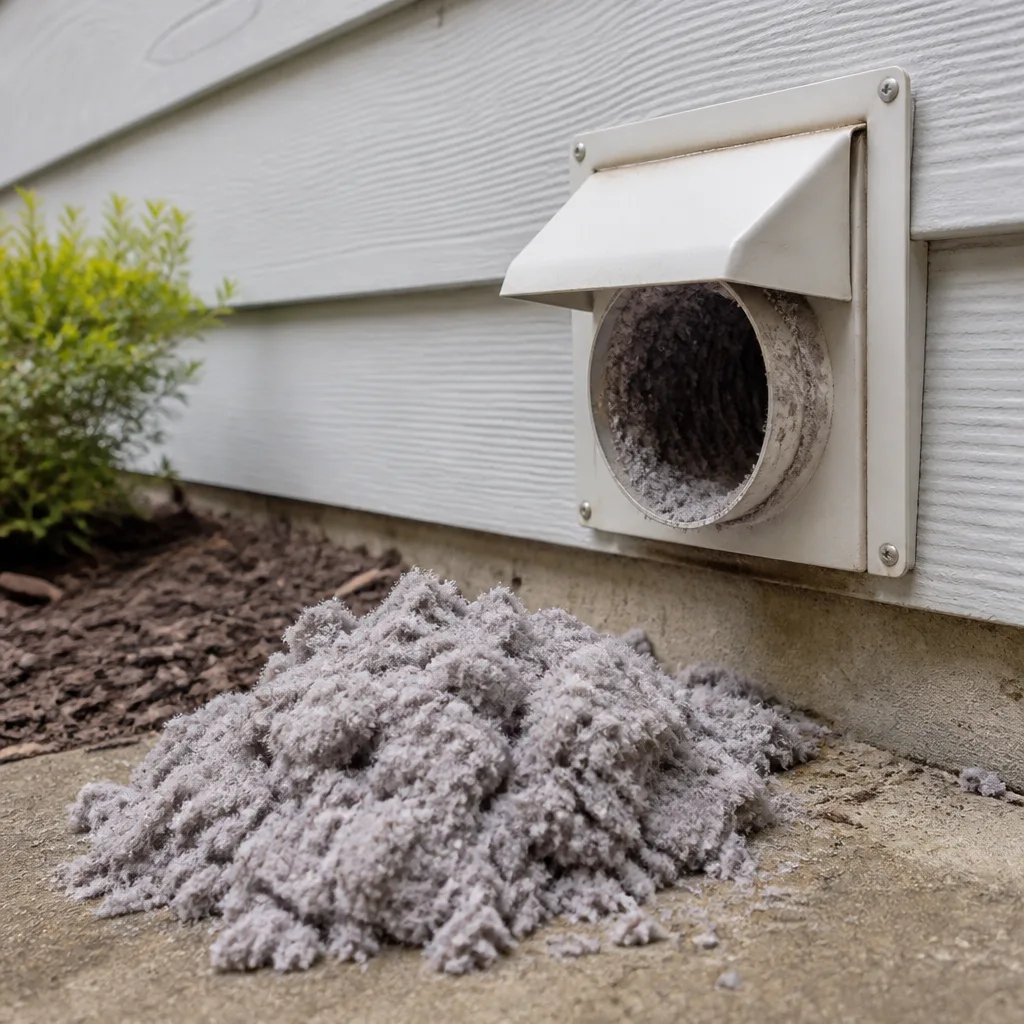 Dryer vent cleaning
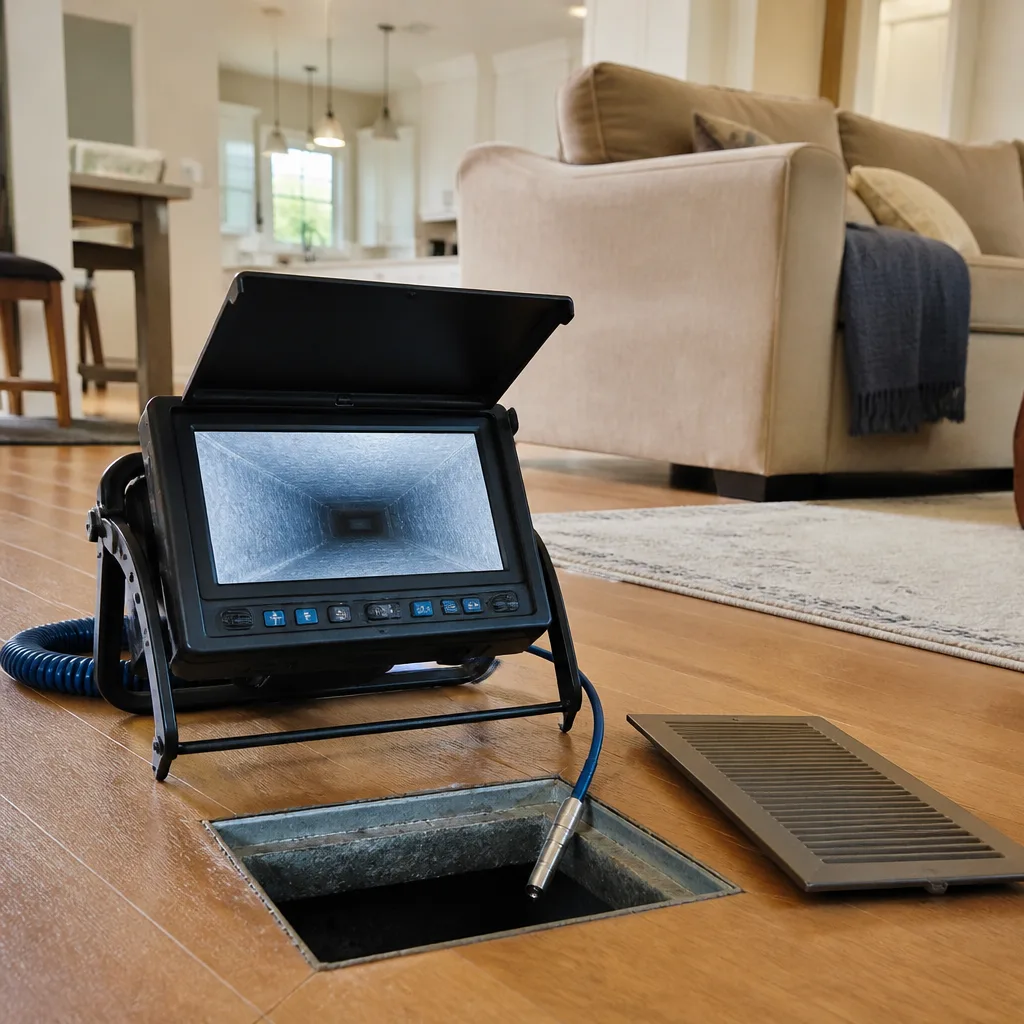 Camera inspection
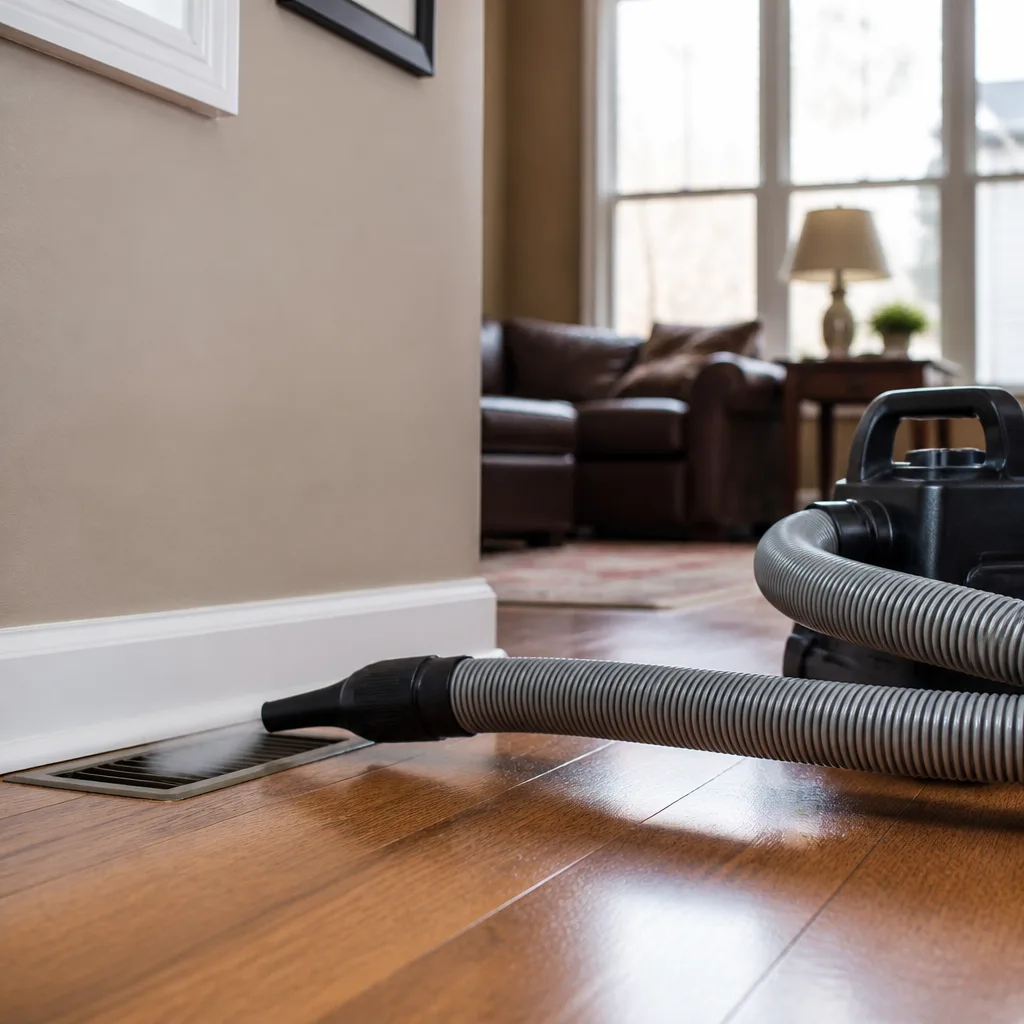 Sanitizing & deodorizing
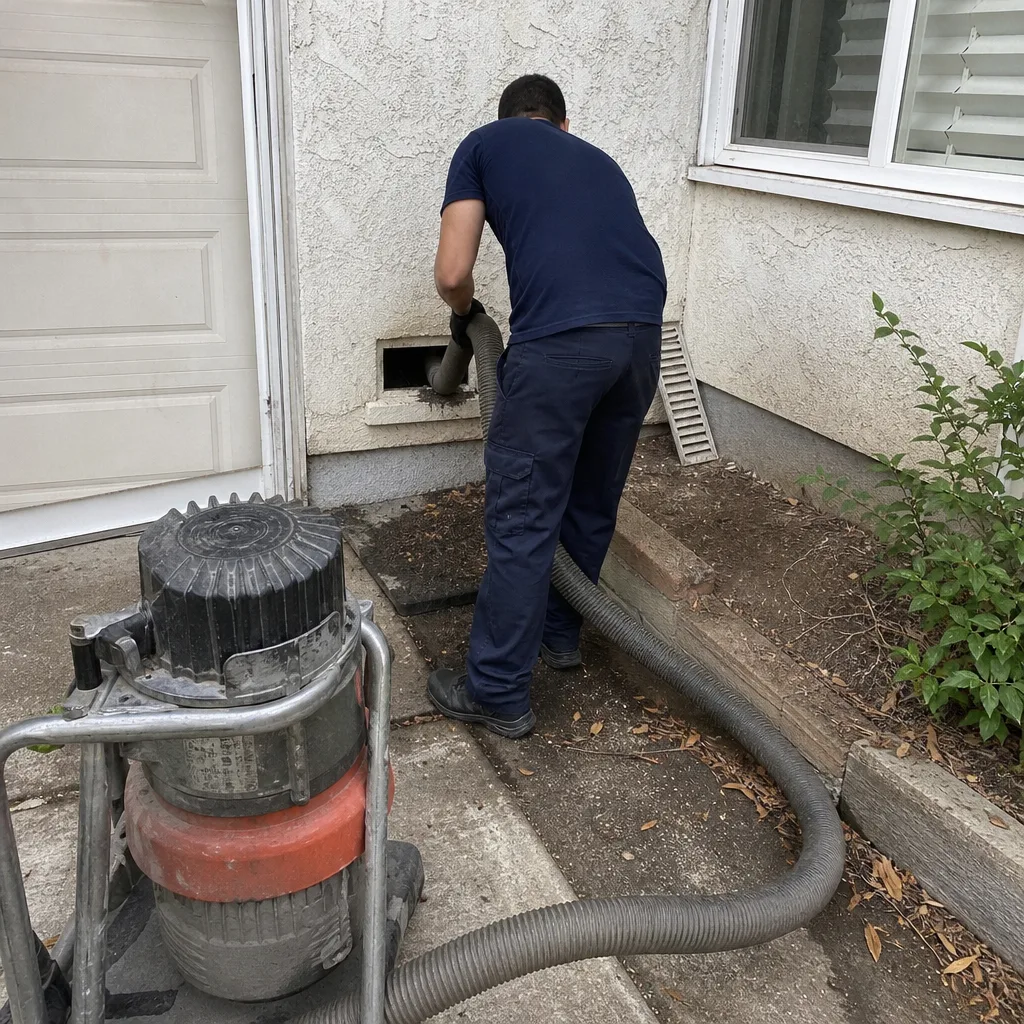
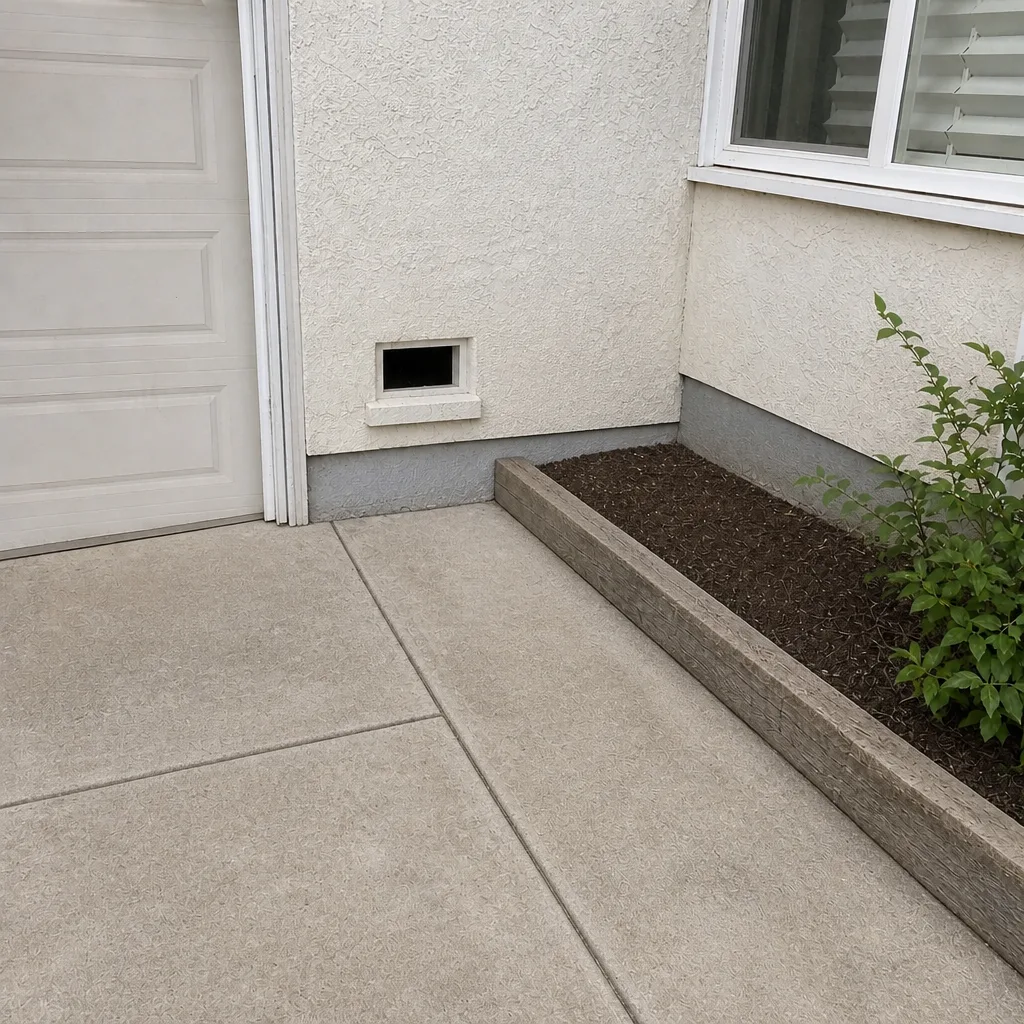
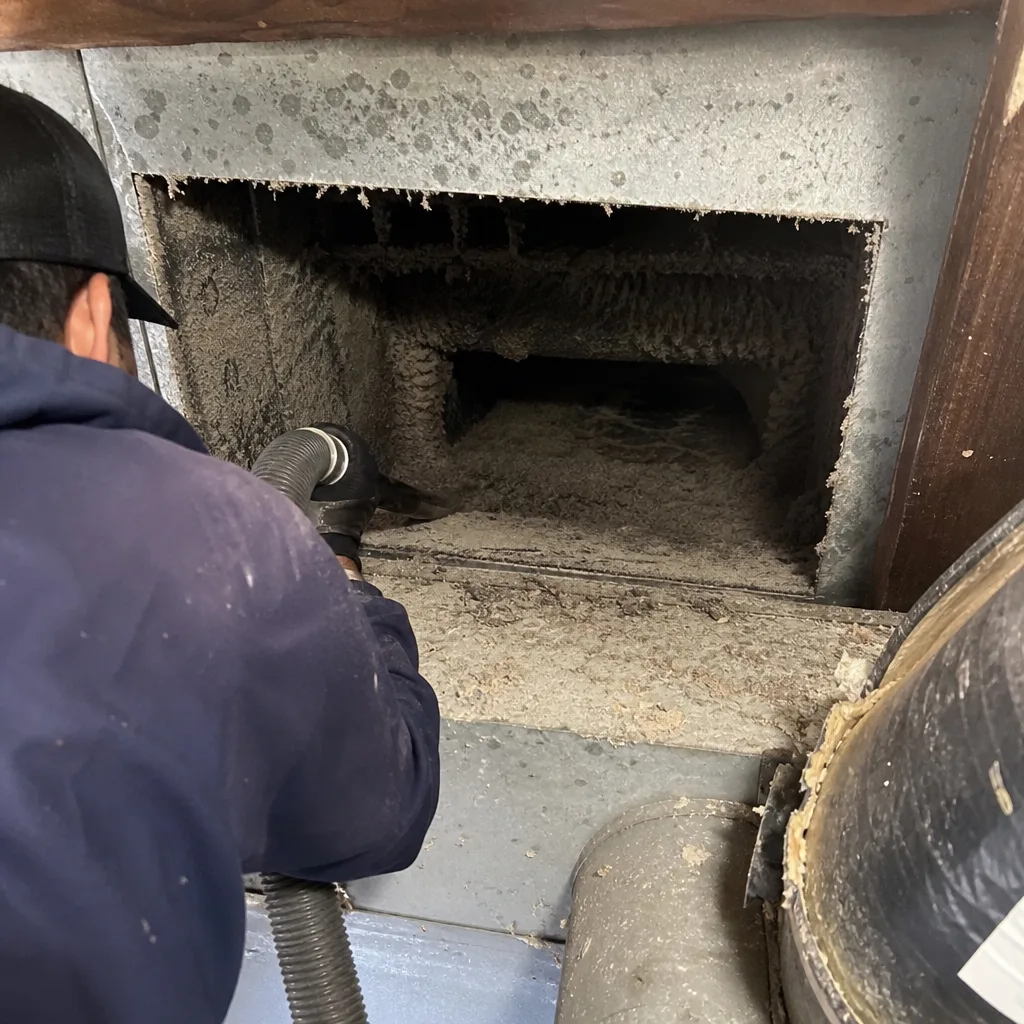
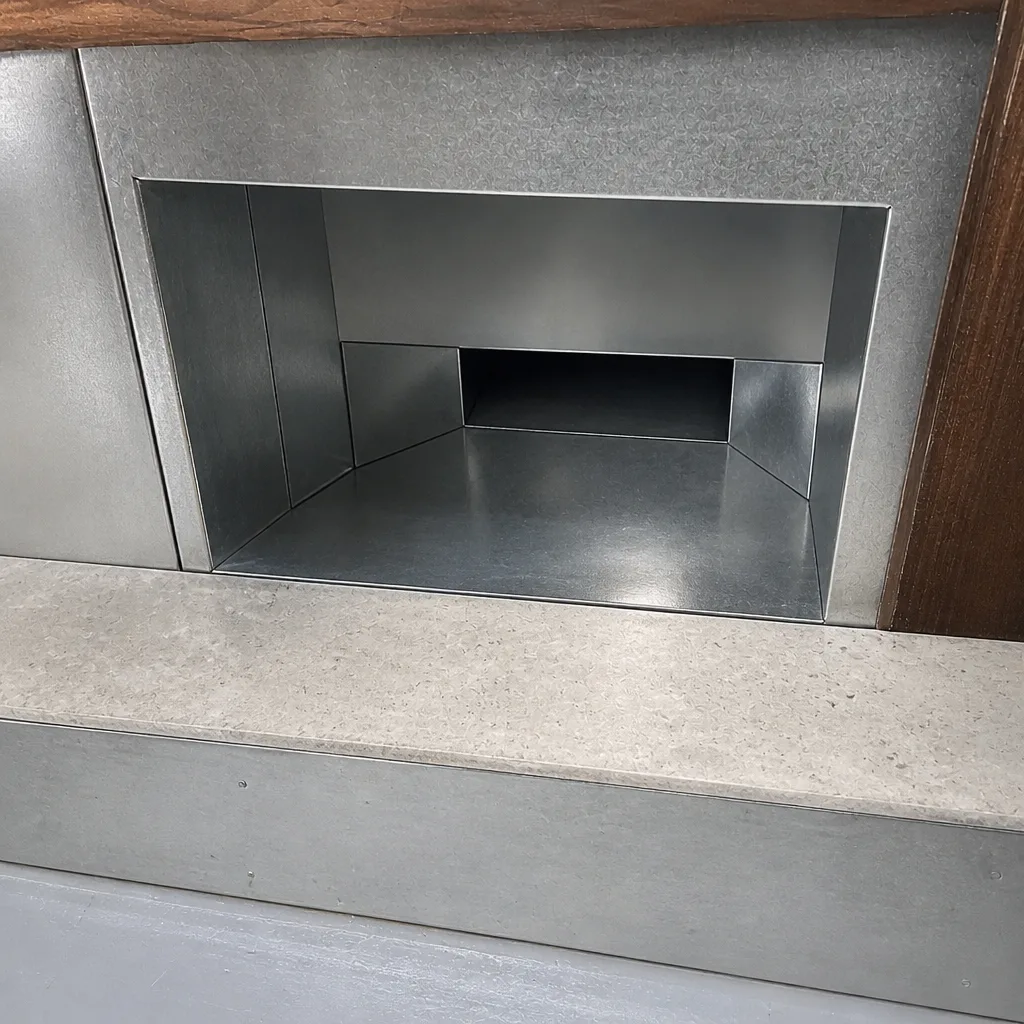
Whole-system duct and dryer vent check with before-and-after photos - you see exactly what came out of your vents
That "$99 whole-house special" is a bait ad - the real number appears once they are in your hallway, or the "clean" is a shop-vac at the register. We photograph the inside of your ducts before and after instead.
DIY vs Professional Air Duct Cleaning: The Costa Mesa Homeowner’s Decision Guide
Running a household vacuum with a brush attachment through your supply registers doesn’t clean your duct system. It agitates settled contamination into your airflow without the negative air pressure to capture it, which means you’ve just redistributed what was sitting on the duct floor into your living space. There’s a real place for DIY work in home air quality, and there’s a line where physics stops being on your side. This guide walks that line for Costa Mesa homeowners: what consumer tools can genuinely accomplish, what they can’t, and how to combine the two intelligently.
Quick Answer
DIY air duct cleaning works well for registers, grilles, lint traps, and filter replacement, but it fails at the core task of cleaning inside duct runs because household vacuums can’t produce the negative air pressure or HEPA capture required. Professional cleaning is worth it when you suspect microbial growth, after water intrusion, with immunocompromised occupants, or for any system that’s run more than five years without servicing. For most Costa Mesa homes, the smart approach is DIY maintenance between professional visits, not instead of them.
Styles & brands we work with
- Whole-home duct cleaning
- Dryer vent cleaning
- Camera inspection
- Sanitizing & deodorizing
Table of Contents
- What DIY Duct Cleaning Actually Handles Well
- The Physics of Why Consumer Equipment Fails
- When Professional Equipment Is Non-Negotiable
- Realistic Cost-Benefit: DIY vs Professional Cleaning
- How to Combine Both Approaches Intelligently
- What Makes Costa Mesa Homes Different
- Filter Selection: The DIY Task Most People Get Wrong
- When to Call a Professional
What DIY Duct Cleaning Actually Handles Well
Here’s what we tell Costa Mesa homeowners who ask whether they should attempt duct cleaning themselves: yes, for about a dozen specific tasks. These are the parts of your system you can reach, inspect, and improve without specialized equipment, and doing them well makes a measurable difference to indoor air quality.
Tasks that legitimately belong in the DIY column:
- Register and grille removal and washing. Pull the metal or plastic supply registers off their boots, soak them in warm soapy water, scrub the slats with a soft brush, and let them dry fully before reattaching. This removes surface dust, cooking film, and pet hair that no duct cleaning will reach because they’re sitting on the outside face.
- Return-air grille cleaning. The return grilles typically collect more debris than supply registers and are easy to remove with a screwdriver.
- Accessible flex duct visual inspection. If you can see flex duct in an attic, crawlspace, or utility chase, look for kinks, tears, disconnected joints, or crushed sections. Even if you can’t repair them, knowing where the problems are makes the professional visit more efficient.
- Dryer vent lint trap cleaning. Clear the lint screen before and after every load, and vacuum out the lint trap cavity with a crevice tool about once a month. This is real fire prevention, and it takes 90 seconds.
- Filter replacement with the right MERV rating. Changing filters on schedule is the single most impactful thing a homeowner does for air quality, and we cover the specifics later in this guide.
- Damp-wiping interior register boots. Reach into the boot opening with a damp microfiber cloth and wipe the visible interior surfaces.
None of these tasks require tools beyond a screwdriver, a vacuum with a brush attachment, and a microfiber cloth. All of them genuinely help. What none of them do is clean the horizontal runs of ducting where the majority of settled contamination lives. That’s a different problem with different physics.
The Physics of Why Consumer Equipment Fails
The core problem is simple: cleaning a duct requires putting the interior under negative pressure while mechanically agitating the surfaces, so that the moment debris lifts, it gets captured by a filtration stage that can hold it. Your household vacuum does one part of that and fails the other two.
Here’s the mechanics in plain terms:
Negative air extraction requires volume, not suction. A shop vac can pull high vacuum pressure through a small hose, but it can’t move the cubic feet per minute needed to put an entire duct run under negative pressure. When we set up a Costa Mesa Air Duct Cleaning Pros job, we’re moving air through the system at a rate that keeps the whole duct run in vacuum relative to the living space for the entire service. That’s the pressure differential that keeps dislodged debris moving toward the capture point instead of drifting into rooms.
The filtration stage matters as much as the vacuum. Fine particulate that’s settled in a duct isn’t just dust – it’s the accumulation of years of skin cells, pet dander, fabric fibers, cooking residue, and whatever was tracked in from outside. Agitating it into the air without a HEPA capture stage attached to the vacuum means the smallest, most respirable particles go straight through a standard filter and into your living room air. This is why a well-meaning brush-through of a supply register can make allergy symptoms worse for a week afterward, not better.
Contact agitation is what actually lifts debris. Dust in a duct adheres to the lining through a combination of static, moisture, and simple compaction over time. Suction alone won’t release it. Professional duct cleaning systems like Rotobrush use a rotary brush head that physically contacts the duct lining while connected to a vacuum source, so the agitation and extraction happen simultaneously. Nikro equipment works on the same principle for HVAC components. Consumer brush attachments are designed to loosen surface dust, not abrade compacted contamination from the duct wall.
What happens when capture pressure isn’t present. Without negative air, dust you dislodge simply redistributes. Some of it settles back where it started. Some drifts into the next room through open registers. Some lands on the evaporator coil and starts to insulate it. In a Costa Mesa home where the AC runs much of the year, that last one matters: a fouled coil works harder and cools worse. That’s the failure mode of well-intentioned DIY duct cleaning. It’s not neutral. It can make the indoor air quality you’re trying to improve measurably worse.
When Professional Equipment Is Non-Negotiable
Some duct conditions aren’t a matter of preference or budget. They’re a matter of what the situation requires, and consumer equipment can’t get there. We’ve written before about what air duct cleaning involves end to end, but here are the conditions that put a home in the “professional only” column.
1. Suspected microbial growth in duct liner. If you can see dark staining, smell a persistent musty odor when the system runs, or find visible growth on the interior of a register boot, that’s not a dust problem anymore. Microbial contamination in duct liner requires controlled removal and often sanitizing with products rated for HVAC interiors. Agitating it with a consumer brush spreads spores through the house.
2. Post-water-intrusion remediation. Any home that has had water enter the duct system – from a roof leak, a plumbing failure, a slab leak, or condensation problems – needs professional attention because the ducts themselves have been affected. Depending on the extent, remediation may include HVAC cleaning of the air handler and coil, negative-air containment, and sometimes duct replacement. This is the category where short-cutting does real harm.
3. Homes with immunocompromised occupants. If someone in the household is undergoing treatment, has a transplant, has severe asthma, or is otherwise medically vulnerable, air quality becomes a health consideration, not a comfort one. Professional cleaning with HEPA and negative-air filtration is the right call.
4. Any system with more than five years of unserviced operation. Five years of continuous operation in a Costa Mesa climate, where the AC cycles most months of the year, is enough time for meaningful accumulation in the horizontal runs and on the coil. This is the threshold where the value of professional cleaning clearly exceeds the cost. A system that’s been serviced regularly is a different case; you may be fine with maintenance only for longer.
5. Recent renovation or construction dust. Drywall dust, sawdust, and construction debris migrate into ductwork fast in an active house. Fine drywall particulate is abrasive to blower bearings and coats everything downstream. A professional cleaning after major renovation isn’t optional if you want the HVAC system to last.
6. Dryer vent long-run cleaning. Short runs and lint traps are DIY territory. The full-length vent run from the dryer to the exterior termination is not, particularly in Costa Mesa homes where the dryer is on an interior wall and the vent runs through the building envelope. This is where dryer vent cleaning becomes fire-prevention work rather than a chore.
There’s also a step above standard residential cleaning that matters in these cases. Our team uses Abatement Technologies negative-air and HEPA filtration equipment – the same tools deployed in professional remediation work – so displaced contaminants are captured at the source rather than dispersed into the home.
Realistic Cost-Benefit: DIY vs Professional Cleaning
Let’s be honest about the economics. DIY register cleaning saves roughly $50-$80 in labor compared to having a professional do the same task. What that savings buys is a set of clean register covers and surface-cleaned boots. What it doesn’t buy is any contamination removal from the duct runs themselves, which is where the actual accumulation lives.
Here’s the comparison in table form, using typical estimates for a Costa Mesa single-family home:
| Task | DIY Cost | Professional Cost | What Each Actually Accomplishes |
|---|---|---|---|
| Register and grille cleaning | $0-$20 in supplies | $50-$80 in labor | Surface cleaning only in both cases. DIY is genuinely fine here. |
| Filter replacement | $15-$40 per filter | Part of most service calls | Identical result if you buy the right MERV rating. DIY wins. |
| Duct run cleaning (typical 8-12 vent home) | Not achievable with consumer tools | $350-$650 typical estimate | Professional only. This is where the bulk of accumulated debris sits. |
| HVAC coil and blower cleaning | Not achievable safely | $200-$450 typical estimate | Professional only. Coil fouling degrades cooling performance. |
| Dryer vent full-run cleaning | Partial, for short runs | $120-$250 typical estimate | Professional only for interior-wall runs. |
These are typical range estimates, not quotes. The written estimate sets the final price for any specific home.
Where 90% of the debris actually lives. The dust you see on a register face is the visible fraction. The bulk of what accumulates in a home’s duct system sits on the interior lining of the horizontal runs, in the seams and joints, and on the return trunk. A professional cleaning using a Rotobrush contact-vacuum system agitates that lining while the negative-air system captures the debris, which is why the visible difference in filter loading after professional cleaning is significant. Register cleaning doesn’t change what your filter sees. Duct cleaning does.
How to Combine Both Approaches Intelligently
The smart play isn’t choosing one or the other. It’s doing the DIY work continuously and bringing in professional cleaning at the right intervals and moments. Here’s the sequence that captures the value on both sides.
Before a professional cleaning:
- Clear access. Move furniture, boxes, and stored items away from attic access panels, crawlspace hatches, and register boots. This alone can save an hour of billed time.
- Remove and wash all registers and grilles yourself. This is a task you’d be paying someone else $50-$80 to do, and it’s easier to wash them in your own sink than to coordinate it during a service call.
- Note problem areas. If a particular room gets consistently more dust, or you’ve noticed an odor from a specific register, tell the technician. It helps them focus the cleaning where it matters.
- Replace the filter the day before service. A fresh filter going in before the ducts get cleaned means the system picks up less newly dislodged material during the setup, and you’ll know exactly what the filter looks like after.
- Note any recent water intrusion or renovation. Both change the scope of the work and should be disclosed before the visit.
Between professional cleanings:
- Change filters on schedule, using the correct MERV rating for your system.
- Wash registers and grilles every 3-4 months.
- Clean the dryer lint trap before every load and the trap cavity monthly.
- Watch for signs of duct problems: increased dust, musty smells, uneven airflow, or higher energy bills.
- If a duct joint starts visibly leaking (often visible from an attic or crawlspace), get it addressed before it worsens – our duct repair and sealing service handles this in the same visit as cleaning.
What Makes Costa Mesa Homes Different
Costa Mesa’s climate and building stock shape how duct contamination accumulates here, and it’s worth understanding the local pattern because it changes the calculus.
Year-round HVAC cycling means faster accumulation. In coastal Southern California, cooling systems run most months of the year. Interior homes further from the coast – in the Mesa del Mar area, along the Orange County border, or up toward Costa Mesa’s hillside neighborhoods – see higher cooling loads than the parts of the city close to the harbor. That means more air volume moved through the ducts annually, and therefore faster accumulation than a comparable home in a cooler climate where the system sits idle half the year.
Older housing stock with legacy duct materials. Parts of Costa Mesa have significant mid-century housing, and original duct systems from that era have sometimes been retrofitted, occasionally with materials that don’t perform like modern ductwork. Rigid fiberglass duct board, in particular, holds contamination in a way galvanized steel doesn’t, and it can be damaged by consumer brush attachments. If your home has duct board, DIY insertion of any tool is a bad idea.
Renovation-heavy market. Costa Mesa has active renovation activity, and any home going through a construction project needs duct inspection afterward – not optional. Drywall dust is aggressive on HVAC components, and it migrates to the coil quickly.
Dryer vent runs in tighter footprints. Many Costa Mesa homes and multi-family buildings have dryers positioned away from exterior walls, meaning longer vent runs with more elbows. Every elbow traps lint. Long-run dryer vents are where fire risk concentrates, and consumer dryer brushes can’t reliably clear the elbows.
Attached garages and vehicle exhaust. A number of Costa Mesa homes have attached garages where vehicle exhaust and shop dust find their way into the return air. This is a case where professional cleaning addresses the source contamination in the ducting, but the real fix is sealing the garage-to-house air pathway if it’s leaking.
Filter Selection: The DIY Task Most People Get Wrong
Filter replacement is a task homeowners should own, but the wrong MERV rating causes as much trouble as a dirty filter. Here’s the practical guide for a Costa Mesa home.
- MERV 8 is the floor for allergy-sensitive households. It captures the bulk of what you care about – pollen, pet dander, mold spores, dust mite debris – without stressing the blower.
- MERV 11-13 is where you want to be if allergies or respiratory issues are the driver. But it costs a bit of airflow, so a system with marginal duct sizing or a blower that’s already struggling may not tolerate it well.
- Skip MERV 16 and above for residential systems unless your HVAC contractor specifies it. High-MERV filters restrict airflow enough that on undersized residential systems they can cause coil freezing and blower strain. If you’re not sure your system can handle it, ask before installing.
- Change interval: every 60-90 days for most Costa Mesa homes, more frequently (every 30-45 days) if you have pets, do a lot of cooking, or the home has recently been renovated.
- Filter thickness: a 4-inch media filter with a MERV 11 rating generally outperforms a 1-inch filter of the same MERV because of the greater surface area. If your system accepts a 4-inch filter, that’s usually the better choice.
Homeowners who get the filter right also benefit more from professional duct cleaning, because the system fights less to move air. This is one of the specific product areas where brand partnership matters: we supply and install Honeywell and Aprilaire filtration products, and Guardsman components, so the filter you get fits the blower and cabinet you actually have.
Common Mistakes to Avoid
- Running a brush attachment through registers and calling it done. This agitates settled debris into the house without capturing it. If you’re going to touch a register at all, remove it and wash it – don’t run a brush inside.
- Buying the highest MERV filter on the shelf. MERV 16 looks better than MERV 11 on the box but can starve an undersized blower in a Costa Mesa home, leading to coil icing and reduced cooling performance.
- Assuming a low advertised price covers everything you need. Advertised duct cleaning prices sometimes cover only a limited number of vents, with the rest billed at a per-vent rate. Ask for the total estimate for your home before any work starts.
- Using a shop vac for duct cleaning because it has high suction. High static pressure at a small hose opening isn’t the same as CFM at a duct scale. Shop vac suction is fine for cleaning the visible boot interior; it does nothing for the duct run.
- Ignoring dryer vent long runs because the lint trap is clean. The trap catches some of it, but every elbow in the vent accumulates what passes through. Long runs in Costa Mesa homes with interior dryers are where fire risk concentrates.
- Skipping duct inspection after a renovation. Drywall dust is abrasive and it coats the coil quickly. Even a modest renovation should trigger a professional duct and HVAC check.
- Believing “sealing” is a shortcut solution. If ducts are leaking, cleaning without repairing the leaks means the cleaned ducts get recontaminated from outside air. Sealing should be included when the inspection finds problems.
See the difference
 Before
 After
 Before
 After
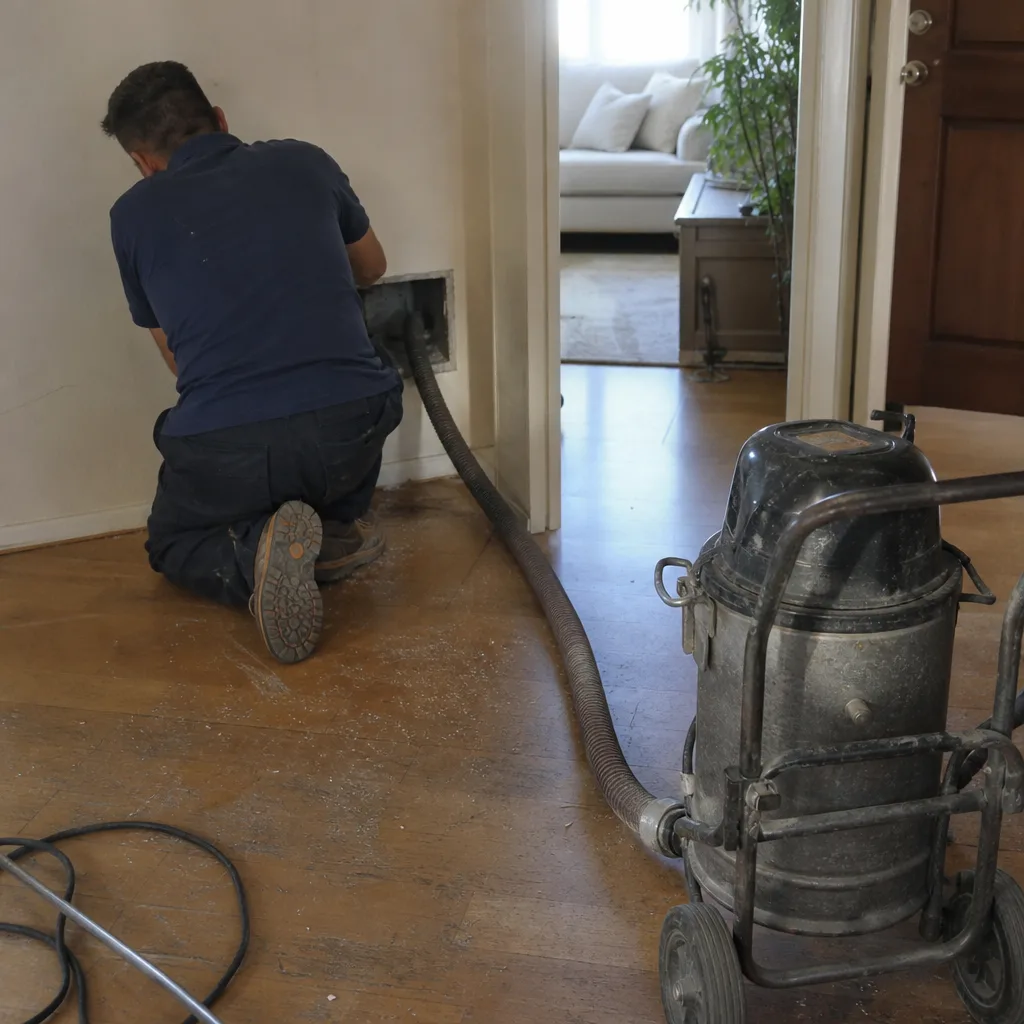 Before
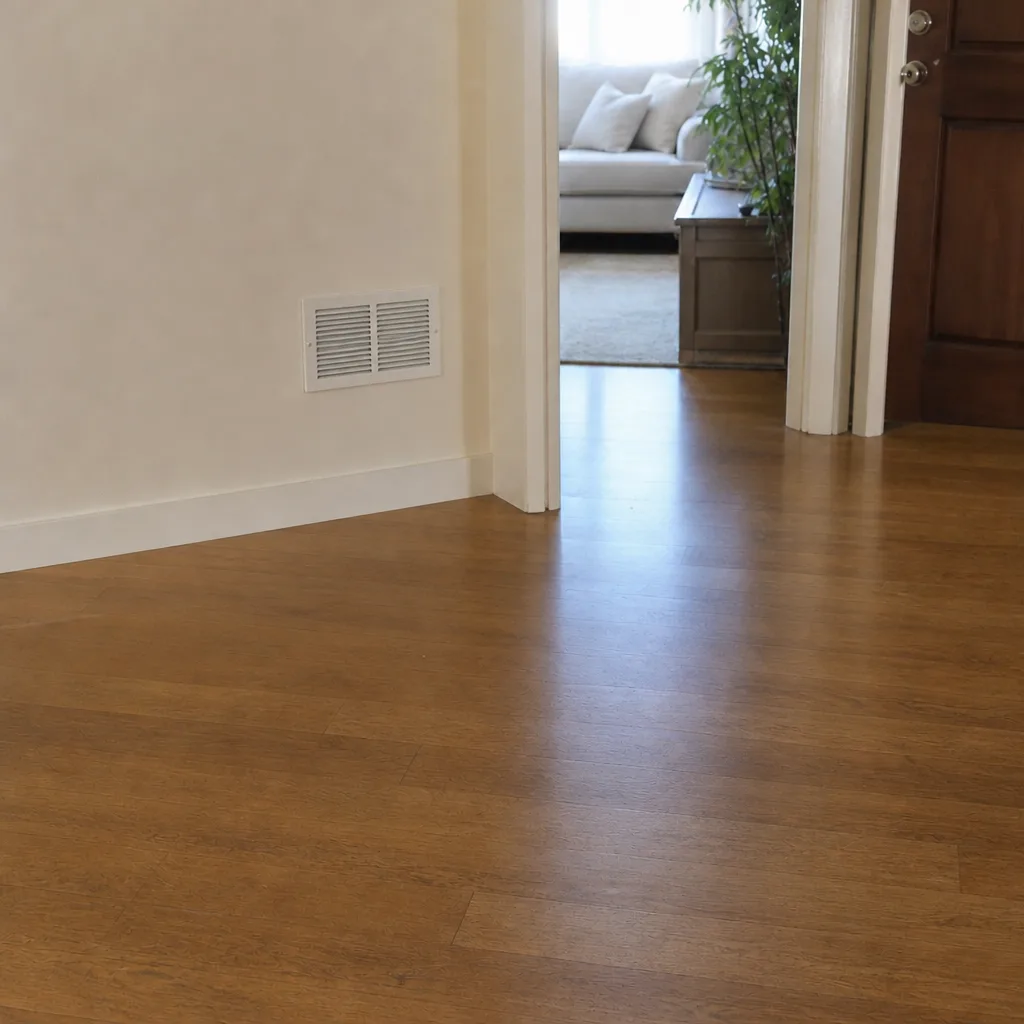 After
When to Call a Professional
Call us when any of these apply: you’ve found visible growth or persistent musty odor in the ducts, the home has had water enter the duct system, someone in the household is immunocompromised, the system has run five or more years without service, a renovation has just finished, your dryer vent run is long or your dryer is on an interior wall, or you simply don’t know the last time the ducts were cleaned. We also handle duct repair and sealing in the same visit when the inspection finds leaks, which is often the real source of the problem.
Costa Mesa Air Duct Cleaning Pros offers free estimates in Costa Mesa. Call (877) 492-3292. We answer 24/7, with fast dispatch from 7am to 7pm, Sunday through Friday. The written estimate sets the flat price before any work starts, and you’ll see before-and-after photos of your own ducts when we’re done.
Frequently Asked Questions
No, not effectively. A shop vac has high static suction at the hose opening but can’t produce the negative air pressure or the CFM needed to put an entire duct run under vacuum, and standard shop vac filters don’t capture fine particulate to HEPA standards. Agitating debris with a shop vac tends to redistribute it into the living space rather than remove it. For the visible interior of a register boot, a shop vac works fine. For duct runs, you need professional extraction equipment.
Typical estimates for a full duct cleaning in a Costa Mesa single-family home run $350-$650 depending on system size, access, and condition, with HVAC coil and blower cleaning at $200-$450 when needed and dryer vent full-run cleaning at $120-$250. These are ranges, not quotes. Call (877) 492-3292 for an exact quote on your home – the estimate is free, and the written estimate sets the final price before any work starts.
Low advertised prices usually cover a limited scope – a set number of vents, sometimes surface cleaning only or no negative air equipment at all – with the real cost added after the technician arrives. Cheap quotes often skip the equipment that makes cleaning effective: the contact-vacuum system, the HEPA filtration stage, and the negative-air setup. Ask any provider what equipment they’ll use, whether negative air is part of the process, and whether the quoted price is the total price for your home. One flat price per system, agreed before work starts, is what protects you.
You should see before-and-after photos of your own ducts, not a stock photo or a generic sample. During the service, the technician should walk you through what was found – buildup levels, damaged joints needing sealing, coil condition – and show you the containment and extraction setup. Ask for the photos at the end. If a provider can’t produce them, that’s your answer about what happened.
For a typical home with no special circumstances, every 3-5 years is reasonable, with more frequent cleaning after renovations, water intrusion, or pest problems. Homes with pets, allergy-sensitive occupants, or heavy year-round HVAC use may benefit from a shorter interval. In Costa Mesa, year-round cooling means faster accumulation than in climates where the system runs seasonally, so the front end of that range is the usual recommendation.
Lint trap cleaning and short-run vent cleaning are safe DIY tasks – clear the screen, vacuum the cavity, and if the vent is short and terminates close by, you can run a consumer dryer brush through it occasionally. Long-run vents, exterior-wall installations, and vents with multiple elbows are not safe DIY. The debris held at each elbow is where fires start, and clearing it correctly requires the right tools and access to the full run. Call (877) 492-3292 for a free estimate if you’re unsure which category your vent falls into.
The Bottom Line
DIY duct cleaning is a good thing to do for registers, grilles, filter replacement, and short dryer runs, and a bad thing to do for duct runs, HVAC components, and long dryer vents – not because of marketing, because of physics. Consumer tools can’t produce the negative air pressure or the particle capture that the cleaning task actually requires, and agitating dust without capturing it makes indoor air quality worse, not better. Do the DIY maintenance consistently, and bring in professional equipment at the intervals and thresholds this guide lays out: five years of unserviced operation, post-renovation, post-water intrusion, visible growth, immunocompromised occupants, and long dryer vent runs.
If you’re ready to plan a professional visit for your Costa Mesa home, call Costa Mesa Air Duct Cleaning Pros at (877) 492-3292 for a free estimate. We answer 24/7, with fast dispatch from 7am to 7pm, Sunday through Friday.
Written by the team at Costa Mesa Air Duct Cleaning Pros.