
Last updated November 25, 2026
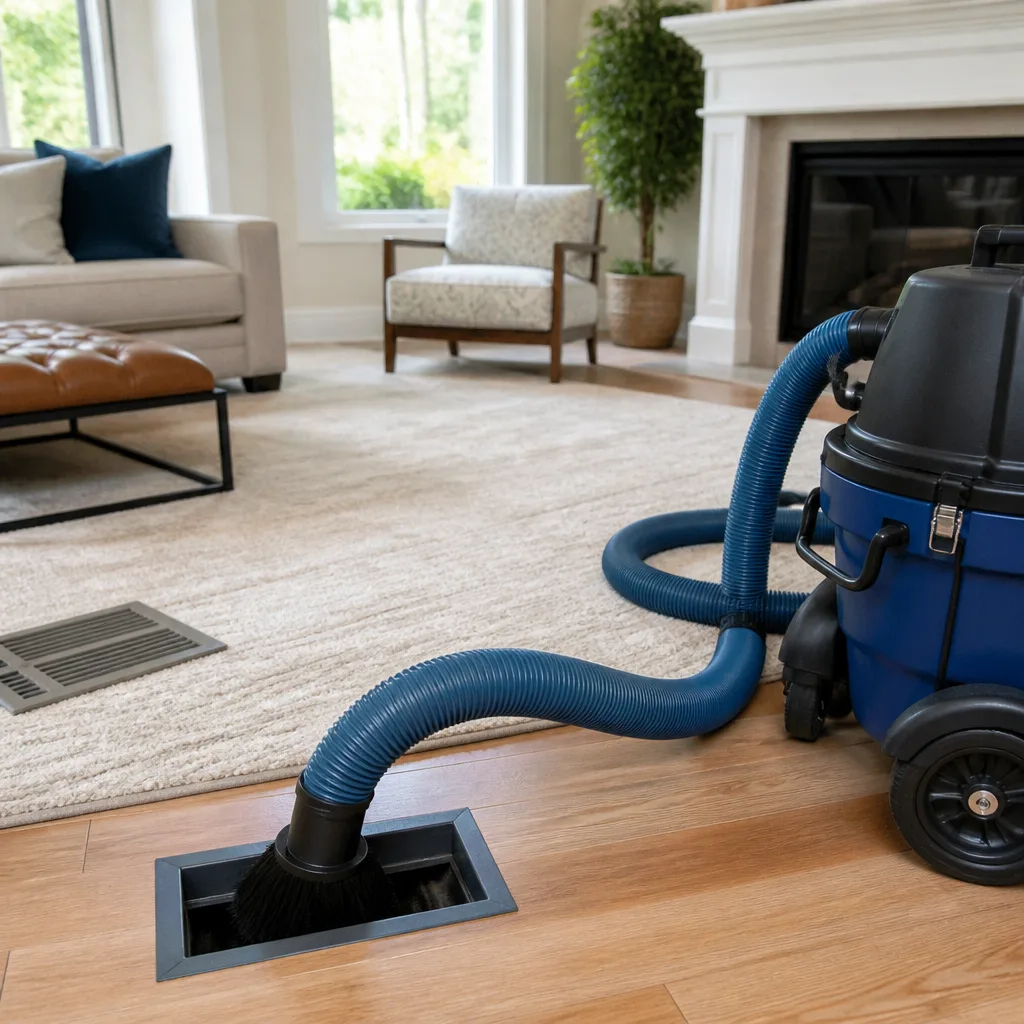 Whole-home duct cleaning
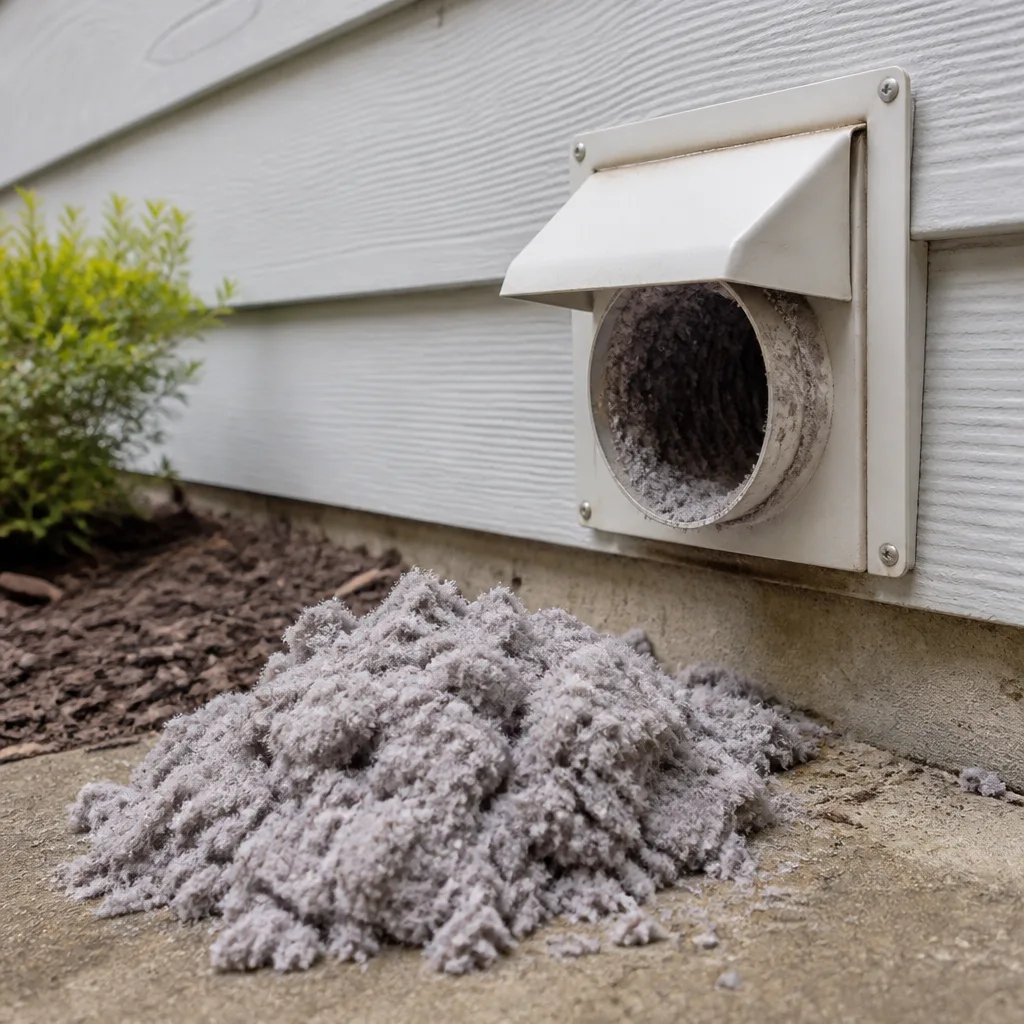 Dryer vent cleaning
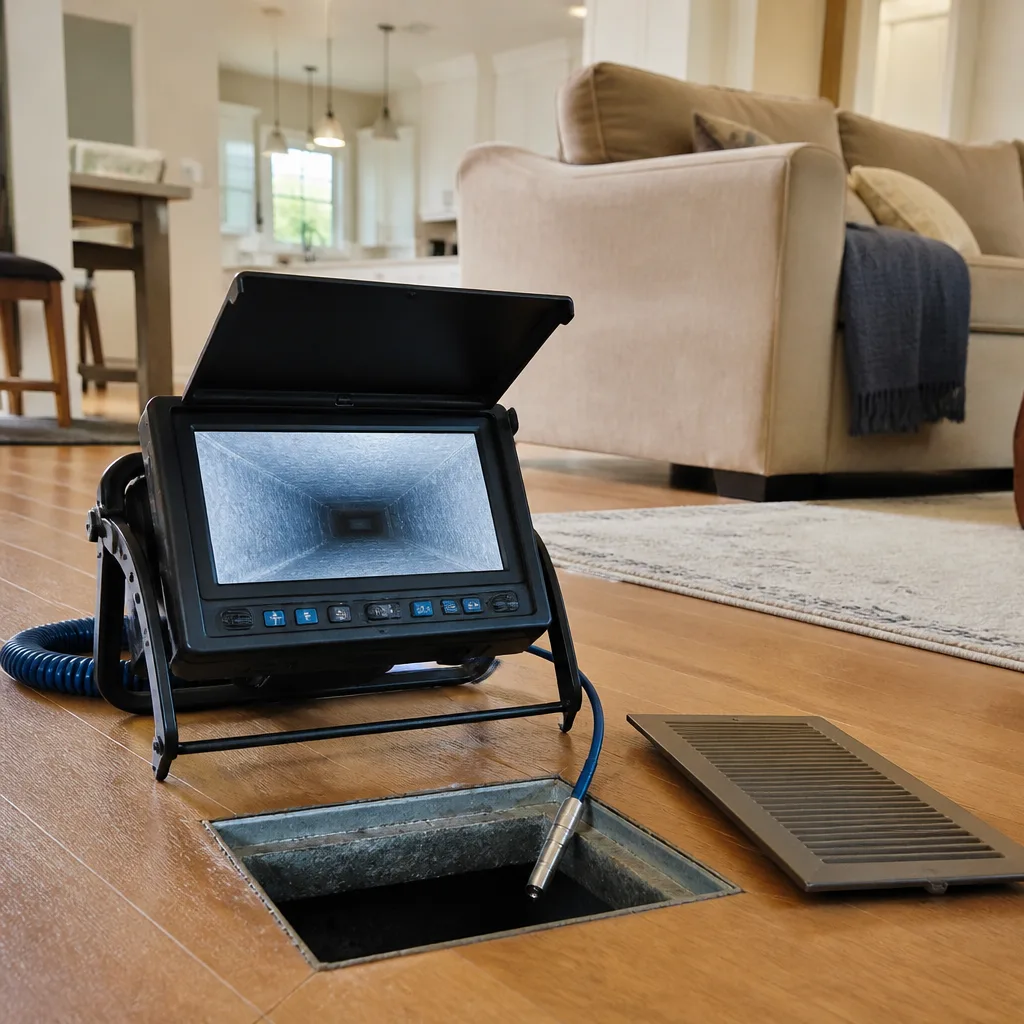 Camera inspection
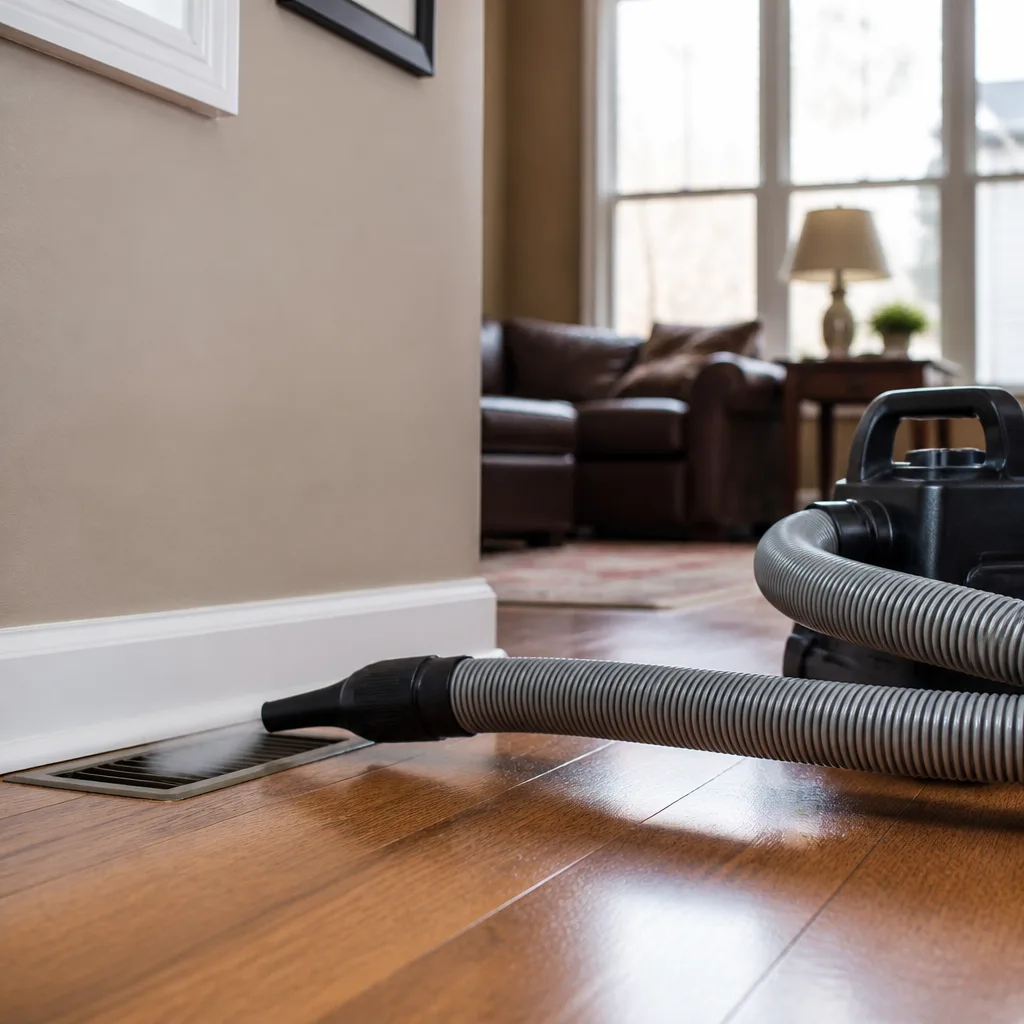 Sanitizing & deodorizing
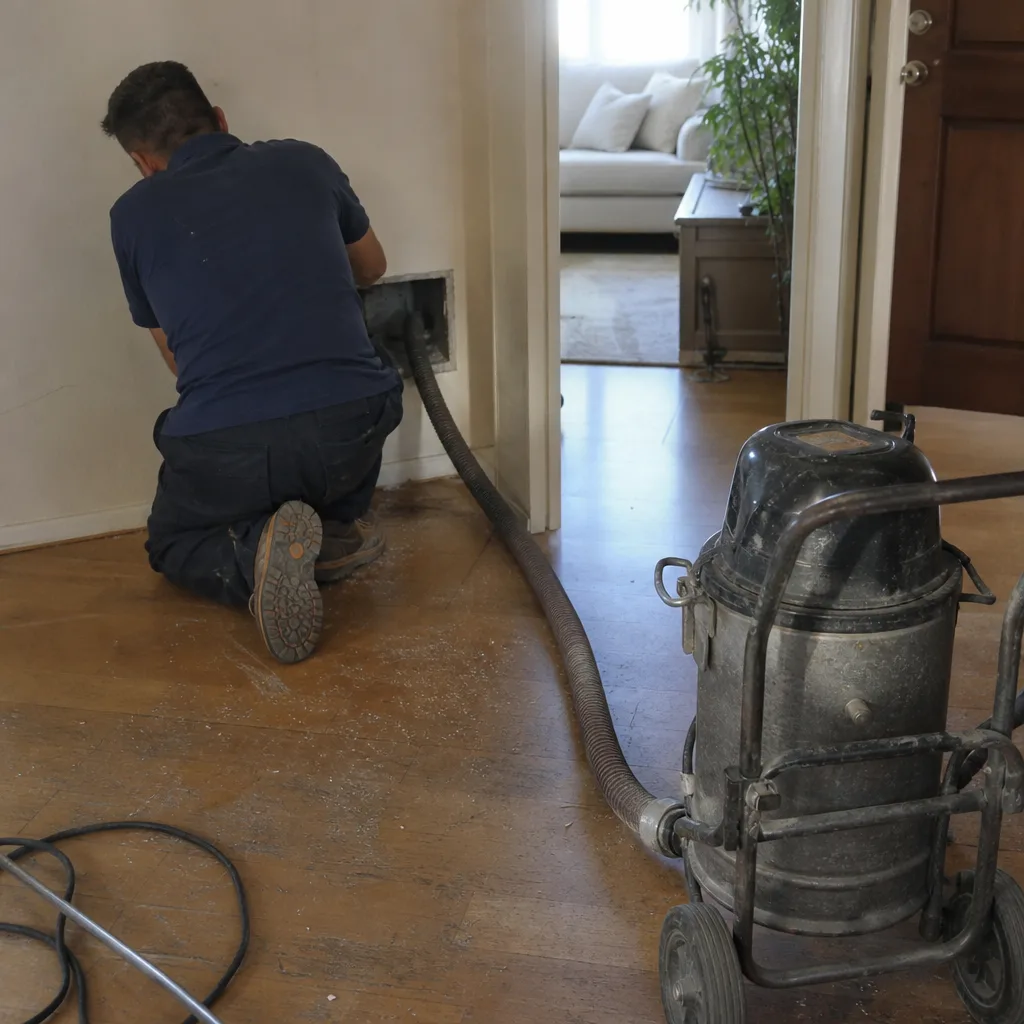
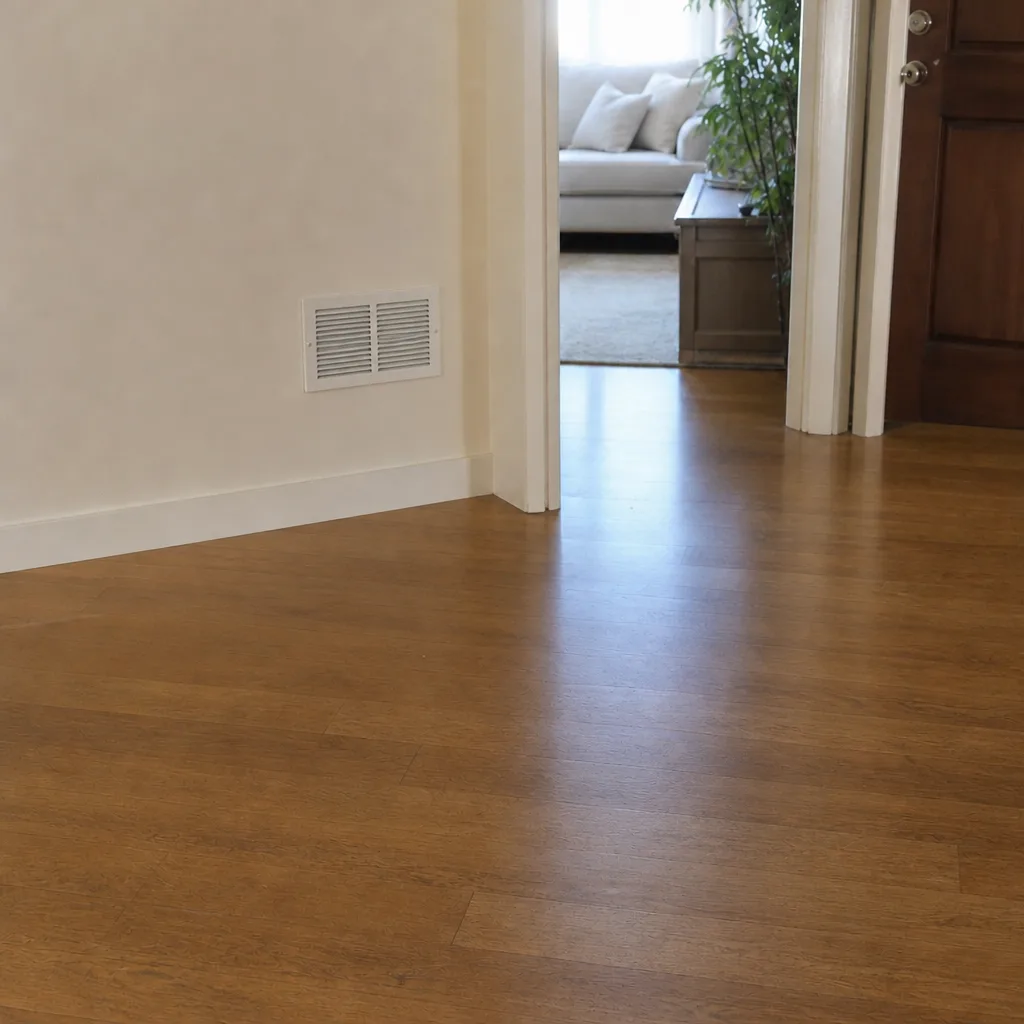
Whole-system duct and dryer vent check with before-and-after photos - you see exactly what came out of your vents
That "$99 whole-house special" is a bait ad - the real number appears once they are in your hallway, or the "clean" is a shop-vac at the register. We photograph the inside of your ducts before and after instead.
Seasonal Air Duct Cleaning Care for Costa Mesa: Year-Round Homeowner’s Guide
If you’re following the standard “clean your ducts in spring and fall” advice, you’re probably scheduling service after the two worst contamination events of the Costa Mesa calendar year have already done their damage. Not before. Most national HVAC guidance is written for a four-season climate with a frozen winter and a dry summer, and Costa Mesa doesn’t work that way. Our real threats come from the marine layer humidity window from November through March and the Santa Ana wind infiltration events from September through November. This guide lays out a duct maintenance calendar built around those two windows instead of a generic schedule, and covers what to check, when to book, and how to choose filtration that fits your system.
Quick Answer
In Costa Mesa, the best time to schedule a professional air duct cleaning is late spring, after the marine layer has lifted and before peak cooling demand begins, usually May into early June. If you live near the foothills or open corridors where Santa Ana winds push fine desert particulate and wildfire smoke into homes, add a second inspection window in late September or October before the winds peak. Homes with allergies, recent renovations, or pets should plan on a cleaning every two to three years; others can stretch to three to five with consistent filtration.
Styles & brands we work with
- Whole-home duct cleaning
- Dryer vent cleaning
- Camera inspection
- Sanitizing & deodorizing
Table of Contents
- Why Costa Mesa Doesn’t Fit the Standard Four-Season Schedule
- The Costa Mesa Month-by-Month Duct Calendar
- What Santa Ana Winds Actually Deposit in Your Ducts
- Marine Layer Humidity: The Slow Biological Problem
- Pre-Season HVAC Prep for Each of Costa Mesa’s Two Real Seasons
- How to Time a Professional Cleaning for Maximum Benefit
- Filter Upgrades by Season: MERV-11, MERV-13, and Static Pressure
- What You Can Check Yourself vs. What Needs Professional Equipment
Why Costa Mesa Doesn’t Fit the Standard Four-Season Schedule
Costa Mesa sits in a mild coastal-influenced climate with two distinct and measurable seasonal patterns that matter to your HVAC system: a cool, damp marine layer that dominates late fall through early spring, and periodic Santa Ana wind events that push hot, dry, dust-laden air in from the desert interior during fall. Your HVAC system runs in two modes that don’t match the traditional split of “heating season” and “cooling season” you’ll see on most national advice sites. Instead, you have a low-run, high-humidity window and a high-run, high-particulate window, and each one stresses your ductwork in different ways.
What does that mean for your maintenance schedule? The single biggest mistake we see in Costa Mesa homes is treating the marine layer as harmless because it’s mild outside. It isn’t. The damp cool air of late fall and winter, combined with the fact that your system runs less often, creates the exact conditions where biological growth in ductwork begins: moderate temperatures, elevated relative humidity, and long stretches of low airflow that let moisture settle on interior surfaces.
The second mistake is the opposite one: booking a cleaning in mid-October because a friend in another state said “fall is the time,” right as the Santa Ana season starts depositing a fresh layer of desert particulate into every duct system in the region. You pay for the cleaning and then watch the next wind event undo half of it. The sections below show you how to sequence these events so your cleaning dollars go further.
One more local factor: Costa Mesa’s housing stock is varied. Midcentury single-story homes, newer attached properties, and multi-unit buildings each have different duct layouts and different points where leakage becomes a problem. A seasonal plan needs to account for what kind of duct system you actually have, not just what the calendar says. If you haven’t had the layout documented, that’s the first step, and our air duct cleaning service starts with an inspection so you know what you’re working with.
The Costa Mesa Month-by-Month Duct Calendar
Here’s how the local year breaks down in terms of what’s building up in your ducts and what your system is doing about it. Use this as a planning reference, not a rigid schedule; your home’s specific conditions and any renovation or pet situation should shift the details.
- January – February: Deep marine layer humidity. Biological growth conditions peak. System rarely running long enough to dry interior surfaces. Check filter monthly, watch for musty odors at registers.
- March: Marine layer begins breaking. Last good window for a humidity-focused inspection before cooling demand starts climbing. If you noticed odors in winter, this is when to act.
- April – May: Transition. Cool nights, warming days. System starts running in cooling mode more consistently. Optimal scheduling window for a full professional cleaning opens in late May.
- June – August: Peak cooling demand. System runs long cycles. Particulate gets trapped on filter surfaces and register grilles faster. This is a maintenance observation period, not a cleaning period if you cleaned in May.
- September: Santa Ana season opens. First wind events push desert dust and any regional smoke. Watch for visible dust accumulation on horizontal surfaces near return registers.
- October – November: Peak Santa Ana window. Highest infiltration pressure of the year. If you’re near open corridors or the foothills, this is when a second inspection may be warranted.
- December: Winds taper off, humidity rises back. Filter change before the humidity settles back in.
Notice what’s absent from that list: the “fall cleanup” that dominates national duct-cleaning marketing. In Costa Mesa, the June cooling-demand peak and the September-October wind peak are your real checkpoints. Late spring sits between them and catches everything the winter humidity left behind before the summer load amplifies it.
What Santa Ana Winds Actually Deposit in Your Ducts
Santa Ana events do more than dry out the air. They push a specific mixture into every gap in your building envelope, and if your return ductwork has any leakage, the same mixture gets pulled directly into the air stream through those gaps. Knowing what’s actually being deposited helps you decide whether a standard filter change is enough or whether a professional cleaning is warranted.
The particulate load from a Santa Ana event has three main components:
- Fine desert particulate: chemically inert mineral dust from interior desert regions, sized small enough to pass through a typical MERV-8 filter and settle in the low-velocity sections of your duct runs.
- Combustion byproducts from regional wildfire smoke: when fires are active anywhere upwind during a wind event, the smoke plume carries fine particulates and volatile organic compounds into the same envelope gaps. These are the particles that drive odor complaints for weeks after.
- Coarse grit and organic debris that rides in on the pressure front: the larger particles that don’t reach far into the system but coat register grilles and return plenum surfaces.
Here’s the part that surprises people: the deposit doesn’t fully clear on its own. Low-velocity duct segments accumulate fine particulate over multiple wind events and never see enough airflow to move it. Over the course of two or three Santa Ana seasons, that accumulation becomes a reservoir that re-enters your living space every time the system cycles. Cleaning removes the reservoir; a filter change only slows the rate at which it forms.
If you’ve noticed a fine gray dust appearing on surfaces near your return registers within a few days of a wind event, that’s the accumulation making itself visible. The fix starts with an inspection to see how much has settled and where. Our HVAC cleaning service covers the system components where this accumulation is worst, not just the visible duct runs.
Marine Layer Humidity: The Slow Biological Problem
The marine layer is a different kind of contamination. Instead of pushing particulate in, it raises the interior humidity of your ductwork walls and grows things on the surfaces that are already coated with dust. Given enough time and enough condensation cycles, the dust layer becomes a food source, and the mild temperatures keep the growth active for months without triggering the typical “cold season” cues homeowners look for.
Three conditions coincide from November through March in Costa Mesa:
- Outdoor relative humidity climbs and stays elevated for weeks at a time, not days.
- Your HVAC system runs shorter cycles because heating demand is low, so interior duct surfaces don’t dry out the way they do in summer.
- Dust that accumulated over the previous season provides a substrate that holds moisture and supports biological growth.
The result is the musty smell that many Costa Mesa homeowners notice in January and February but can’t locate. It’s not coming from a specific register; it’s coming from the accumulation across the whole system. Cleaning removes both the accumulated dust and the growth attached to it. When we do this, the Costa Mesa Air Duct Cleaning Pros approach includes sanitizing the cleaned surfaces, because the interior of the duct is still a damp, moderate environment and you want a clean dry surface before the next humidity cycle.
We deploy Abatement Technologies HEPA filtration equipment during this kind of work because displacing contaminated dust from a duct system in an occupied home needs to be captured, not just stirred up. Negative-air containment keeps what we agitate inside the work zone. That equipment is the reason our crew can complete a full cleaning without depositing a fresh layer of the same material on your furniture.
Pre-Season HVAC Prep for Each of Costa Mesa’s Two Real Seasons
Each of Costa Mesa’s two real seasonal windows calls for a different pre-season checklist. If you do these yourself, you catch about 70% of the problems that would otherwise become service calls. The rest need professional tools.
Cooling Season Prep (Late April into May)
- Replace the filter before the first long cooling cycle. Late April or early May is the right window in most Costa Mesa homes.
- Vacuum the return register grilles and wipe the supply register faces. This is the visible part of the system and it’s easy to update yourself.
- Walk the accessible duct runs in the attic or crawlspace if you can see them. Look for disconnected joints, torn insulation, or sagging flexible runs.
- Note any rooms that cool much slower than others. Uneven cooling usually points to a duct leak or a compressed run, not a failing system.
- Check the outdoor condenser coil and clear any accumulated debris from the fins before the first hot week.
Heating Season Prep (October into November)
- Change the filter as the Santa Ana season opens. Fine particulate from a wind event loads a filter fast, and a loaded filter is a bypass path for the next event.
- Watch for odor at return registers during and after wind events. That’s the sign that wildfire smoke or fine dust has entered the system.
- Check the air handler cabinet and filter slot for gaps. If you can see light or feel airflow escaping, the filter is being bypassed and cleaning will be counterproductive until it’s sealed.
- Look for musty smells at registers in the weeks after the first substantial humidity returns. This is the early signal of marine layer growth.
- Note any new drafts near registers. Loose duct joints show up worse in the cooling season than heating, but they often start loosening in the wind season.
If your walk-through turns up a disconnected joint, torn flex duct, or a squashed run, don’t leave it for later. A duct that leaks is pulling unconditioned air into your system every time the fan runs, and cleaning a leaky system is a temporary fix. We include repair and sealing with our cleaning services so a sealing issue gets addressed the same visit, not deferred to a second contractor.
How to Time a Professional Cleaning for Maximum Benefit
The optimal window in Costa Mesa is the transition between the end of the marine layer season and the start of peak cooling demand: late May into early June. Here’s why that specific timing produces the most value:
- The marine layer has lifted but hasn’t yet left biological growth settling in. Cleaning in late May removes what built up during the winter humidity window before those surfaces have a full summer to dry out and lock it in.
- The Santa Ana season hasn’t started. You clean before the wind events deposit a fresh layer, so the cleaning removes the accumulated reservoir rather than sitting underneath a fresh deposit.
- Your system is about to run hard. A clean system running long cooling cycles in July and August distributes cleaner air for every hour of operation. A dirty system running those same cycles distributes the accumulated material.
- The filter you install after the cleaning has the whole summer to perform. A fresh, appropriately-rated filter installed after cleaning can carry you through the cooling season before Santa Ana season demands a switch.
What about homes near the foothills or open corridors where wind exposure is higher? Add a second inspection in late September or October, right before the wind season peaks. Not necessarily a full second cleaning; an inspection to see the accumulation rate. If it’s above what one filtering cycle can handle, schedule the cleaning before the next event, not after.
Renovation timing matters too. If you’re planning interior work, schedule the duct cleaning and HVAC inspection after the drywall dust has settled and the paint has cured. Cleaning before a renovation is wasted work; the dust from the construction process will refill the system.
Filter Upgrades by Season: MERV-11, MERV-13, and Static Pressure
Filter selection in Costa Mesa changes with the season, but the change is bounded by what your system’s blower can handle. Running too high a MERV rating raises static pressure, and a system that can’t overcome that pressure will lose airflow at the registers, run hotter, and move less air through the ducts than it was designed to. That’s worse than a slightly lower-rated filter that fits within the blower’s tolerance.
Here’s how we’d sequence filtration through the Costa Mesa year:
- March through August (cooling season): MERV-11 is usually appropriate for standard residential systems without pressure headroom. It captures most biological particulate and typical dust, while keeping static pressure in the range most residential blowers can manage.
- September through November (Santa Ana season): During active wind events or whenever wildfire smoke is present in the regional air, MERV-13 is warranted to capture fine smoke and desert particulate. But only if your system can handle the static pressure. If a MERV-13 filter noticeably reduces airflow at the registers, your system needs the pleat depth adjusted or a MERV-11 filter with a thicker pleat to balance capture against pressure.
- December through February (marine layer season): Back to MERV-11. The threat here is biological, not fine particulate, and MERV-13’s extra pressure cost isn’t helping you close the wet-season gap.
The correct filter for your specific system depends on blower specifications, duct design, and the size of your filter cabinet. If you don’t know those numbers, that’s a service call, not a guess. Our team carries Honeywell and Aprilaire air quality products that are sized for the system, not just the filter slot. For homes with chronic seasonal allergy complaints, a whole-home filtration add-on with a properly sized cabinet removes the guesswork from the MERV decision and lets you upgrade filtration without choking the blower.
One more thing worth saying plainly: no filter reaches the surfaces inside your duct runs. Filters protect the equipment and function as a sieve at the cabinet; cleaning removes what’s already settled. Both matter, and neither replaces the other.
What You Can Check Yourself vs. What Needs Professional Equipment
Homeowners can safely inspect a lot of their own system between professional visits. Knowing where the boundary sits saves you time without putting you at risk or wasting money on tools that don’t perform.
What you can do yourself:
- Change filters on schedule and note the loading pattern (uniform, one-sided, or dark in one spot).
- Vacuum register grilles and wipe visible duct surfaces near the register opening.
- Check the accessible duct runs for sagging or disconnected segments (from outside the duct; don’t reach in blind).
- Note odors, temperature differences between rooms, and dust accumulation patterns to share with the technician.
- Confirm the air handler cabinet is sealed at the filter slot.
What requires professional equipment:
- Cleaning the interior of the duct runs. A shop vacuum can’t agitate the surfaces well enough to lift accumulated material, and it can’t capture it without redepositing it in the living space.
- Cleaning the air handler coil, blower, and cabinet interior. Access requires removing panels and working around energized components.
- Duct sealing and repair. A visible gap is easy to spot; sealing it correctly requires the right materials and testing to confirm the leak is closed.
- Sanitizing after cleaning. The surfaces need to be dry and properly prepared for the sanitizer to reach the accumulated growth.
- Dryer vent cleaning. The lint accumulation that builds up in the vent run is a documented fire risk, and the vent run itself needs professional agitation to clear fully.
We handle all of this with professional-grade equipment: Rotobrush for contact-vacuum duct cleaning, Nikro for air handler and HVAC system cleaning, and Abatement Technologies negative-air equipment for containment during the work. For the dryer vent side of the same maintenance calendar, our dryer vent cleaning is a documented fire-prevention service, and worth putting on the same seasonal schedule as your duct inspection.
Common Mistakes to Avoid
- Following the national spring/fall cleaning schedule. The advice was written for a four-season climate. Following it here means cleaning after the marine layer damage and before the Santa Ana deposit, which is the worst order.
- Running a MERV-13 in summer without checking static pressure. Higher MERV doesn’t automatically mean better air. If it chokes your blower, you’re trading particle capture for airflow loss, which is a net downgrade.
- Cleaning before a renovation instead of after. Drywall dust and construction particulate refill the system within days of any work done beforehand. Schedule the cleaning for after, not before.
- Cleaning a leaking duct system without sealing it. If there’s a gap in the return plenum, the system will pull the next Santa Ana particulate directly into the stream. Cleaning without repair is a temporary fix.
- Assuming the marine layer is harmless because it’s mild. Damp slow-moving air is exactly what supports biological growth in duct interiors. If you smell mustiness in winter, it’s reacting to conditions you can measure.
- Ignoring the dryer vent during duct maintenance. The dryer vent is the highest fire-risk component in the whole air pathway, and it accumulates lint faster than ducts accumulate dust. It belongs on the same seasonal checklist.
- Trusting a low, unverified quote without an on-site inspection. Real duct work requires the technician to see the layout, count the runs, and assess the accumulation. A phone quote against a floor plan is an estimate built on assumptions.
- Skipping register cleaning between professional visits. Registers are the visible end of the system and the fastest place to spot a change in accumulation patterns. A little maintenance attention there is free diagnostic information.
See the difference
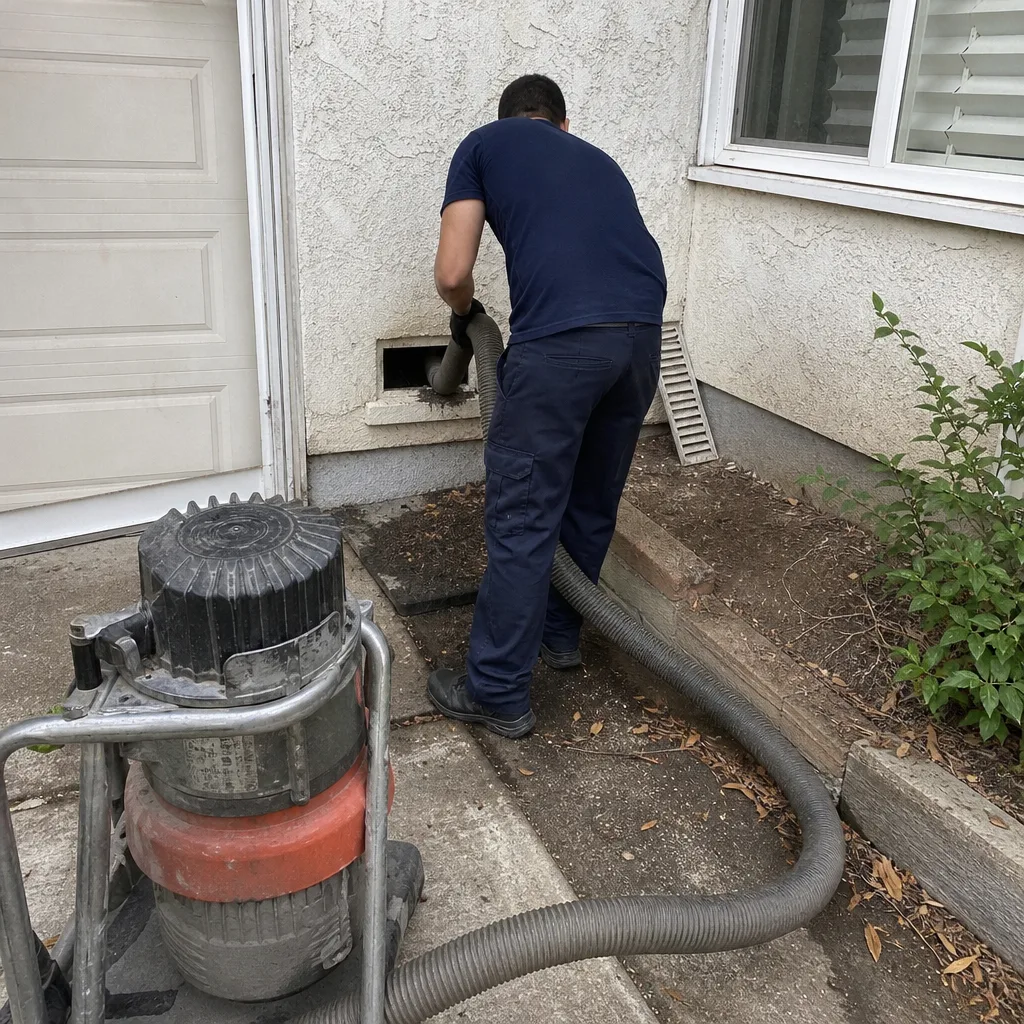 Before
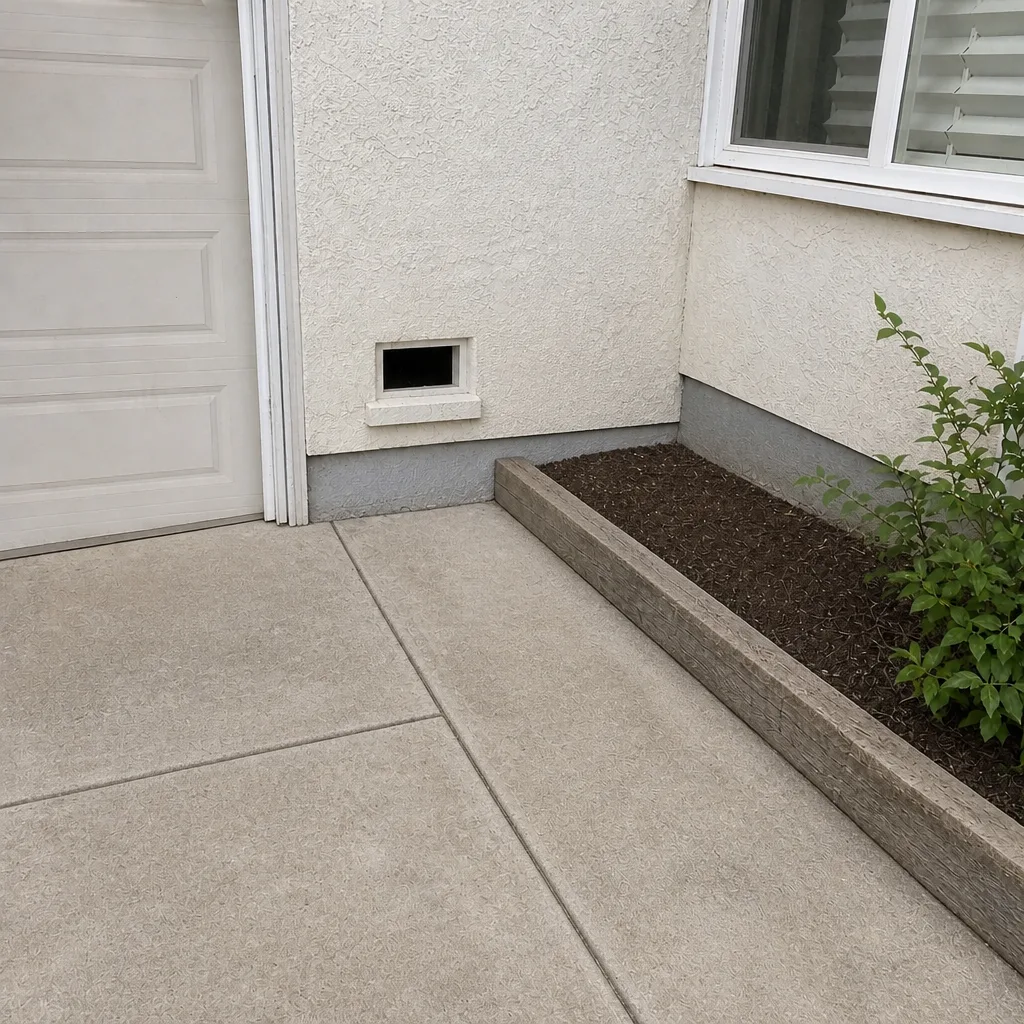 After
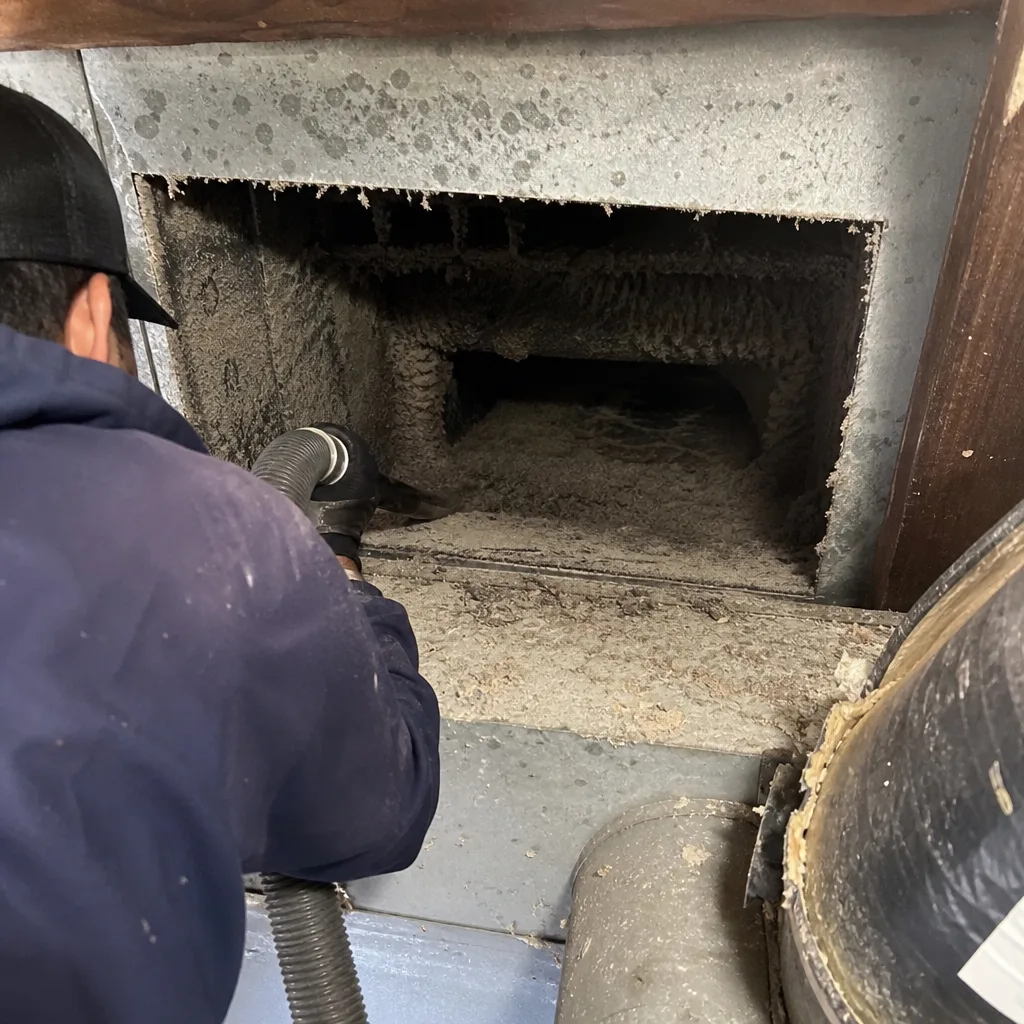 Before
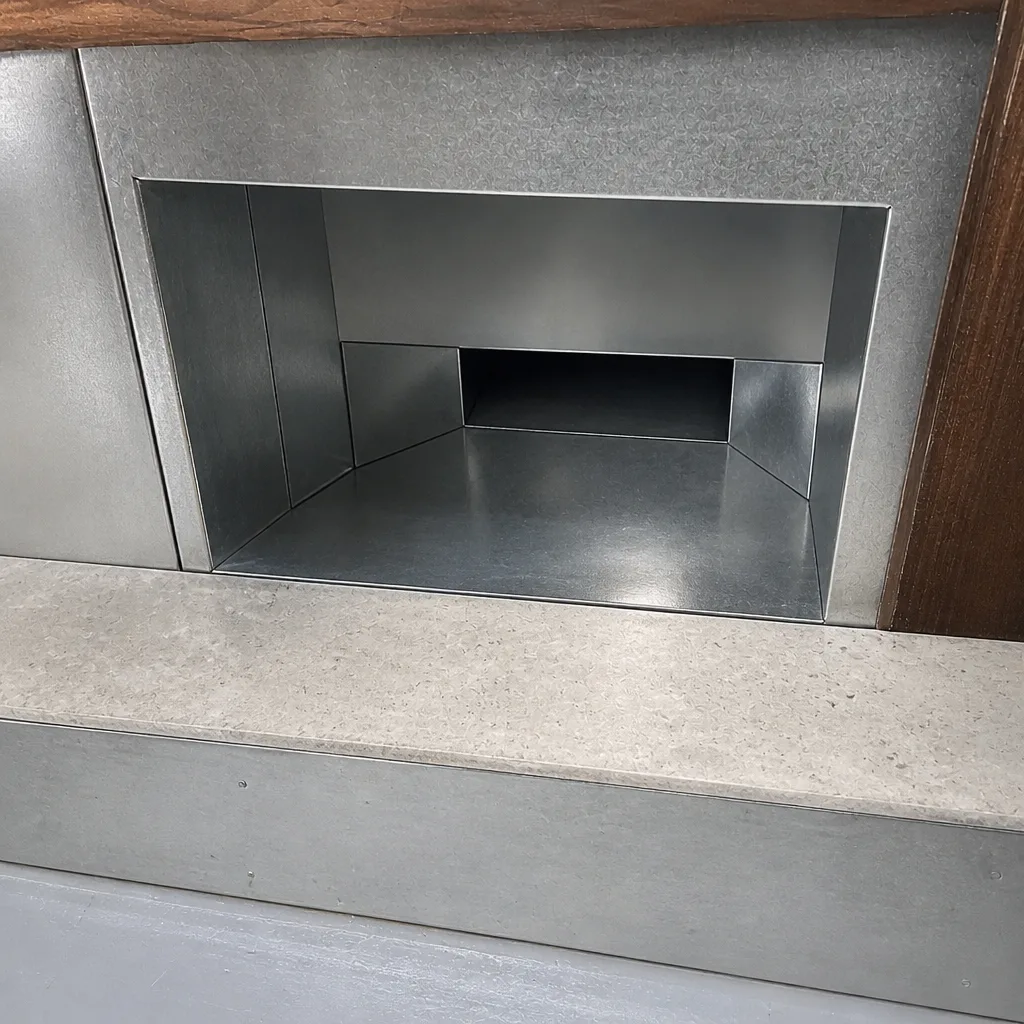 After
 Before
 After
When to Call a Professional
Call for an inspection if any of these apply: you’ve never had the system professionally cleaned and the home is more than a few years old; you’ve noticed a musty odor at the registers that doesn’t clear with a filter change; a recent Santa Ana wind event left a visible dust deposit on surfaces near your returns; you’re planning or completing a renovation; you’ve moved into a home with pets or previous occupants whose maintenance you can’t verify; or your HVAC system is showing airflow problems or temperature imbalance between rooms. These are the cases where the underlying cause usually reaches beyond what a homeowner can see from a register grille. Costa Mesa Air Duct Cleaning Pros offers free estimates in Costa Mesa; call (877) 492-3292. We answer 24/7. Fast dispatch from 7am to 7pm, Sunday through Friday. The estimate is free, the price is set per job by the written estimate, and the local pro we connect you with is licensed and insured as their state requires.
Frequently Asked Questions
Every two to three years for most Costa Mesa homes, with homes near the foothills or open wind corridors or homes with pets and allergies on the shorter end and homes with consistent filtration on the longer end. The full professional cleaning should be paired with a filter change and register cleaning between visits. Call (877) 492-3292 for an inspection – estimates are free.
Late spring, not fall, is the better window in Costa Mesa. Scheduling in late May or early June catches the marine layer accumulation and clears it before the cooling season load, and it stays ahead of the Santa Ana deposit that arrives in September and October. Fall cleaning can be done, but you’ll want to add another inspection right after the wind season if you go that route. Call (877) 492-3292 for an exact quote – estimates are free.
Yes, and in two ways that are easy to measure: fine desert particulate and any regional wildfire smoke that’s active upwind. Both enter through envelope gaps, and if your return ductwork leaks, both get pulled into the air stream. If you see a fine gray dust layer near return registers within a few days of a wind event, the system is showing you what’s happening. Call (877) 492-3292 to schedule an inspection – estimates are free.
A MERV-11 is usually right for the cooling season, while a MERV-13 is warranted during active Santa Ana wind events or wildfire smoke periods, provided your system’s blower has the static pressure headroom. If you don’t know your system’s pressure tolerance, don’t guess – run MERV-11 until a technician checks the blower. Call (877) 492-3292 for an assessment – estimates are free.
Low quotes usually reflect what isn’t being included: no contact agitation of the interior surfaces, no negative-air containment to capture displaced debris, no HVAC air handler cleaning, no repair and sealing of what’s found, and sometimes no on-site inspection before the price is given. A real cleaning involves all of those steps with professional equipment. Our team uses Rotobrush, Nikro, and Abatement Technologies gear on every job because a low equipment cost is a different process than a proper one. Call (877) 492-3292 for a written estimate – estimates are free.
Before-and-after photos of your own ducts, not stock images. Any legitimate provider should walk you through the after condition and the specific work performed, including any repair and sealing. If the technician can’t show you your own system, that’s the answer to the question. Call (877) 492-3292 for a documented estimate – estimates are free.
The Bottom Line
Costa Mesa’s duct maintenance calendar doesn’t follow the spring/fall rhythm that dominates national advice. It’s shaped by two events: the marine layer humidity window from November through March that supports slow biological growth, and the Santa Ana wind season from September through November that deposits fine desert particulate and wildfire smoke. Late May and early June sit between those two events and carry the highest maintenance value, with a second inspection in late September for higher-exposure homes. Filter selection shifts with the season – MERV-11 as a baseline, MERV-13 during active smoke and wind events when your blower can tolerate the pressure. And the air pathway is more than the duct runs: dryer vent, air handler, register grilles, and duct sealing all contribute to the same result. Here’s what we use and why, because the process should be visible, not assumed.
For air duct cleaning, dryer vent cleaning, HVAC cleaning, duct repair and sealing, and air quality products in Costa Mesa, call Costa Mesa Air Duct Cleaning Pros at (877) 492-3292 for a free estimate. We answer 24/7. Fast dispatch from 7am to 7pm, Sunday through Friday. Our technicians have up to 14 years of experience, and every job is documented with before-and-after photos of your own system.
Written by the team at Costa Mesa Air Duct Cleaning Pros.