
Last updated November 25, 2026
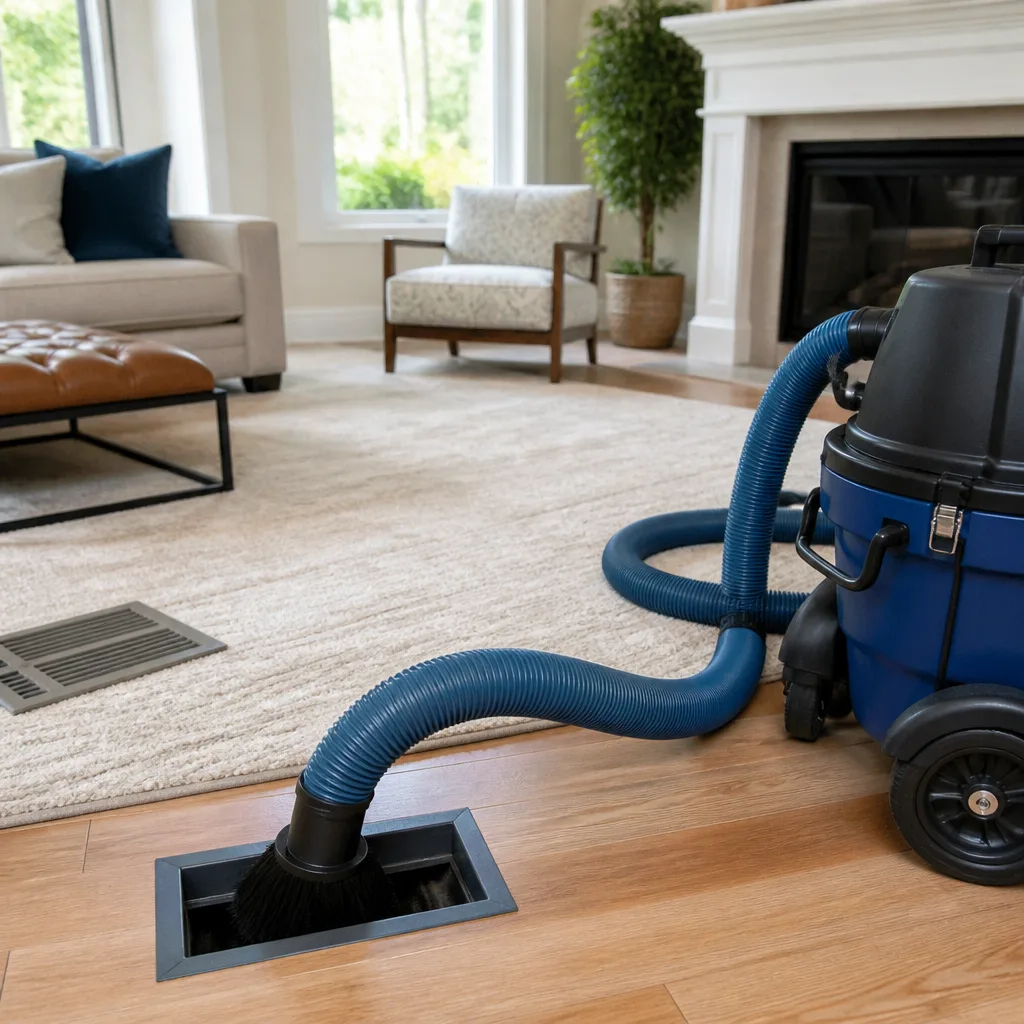 Whole-home duct cleaning
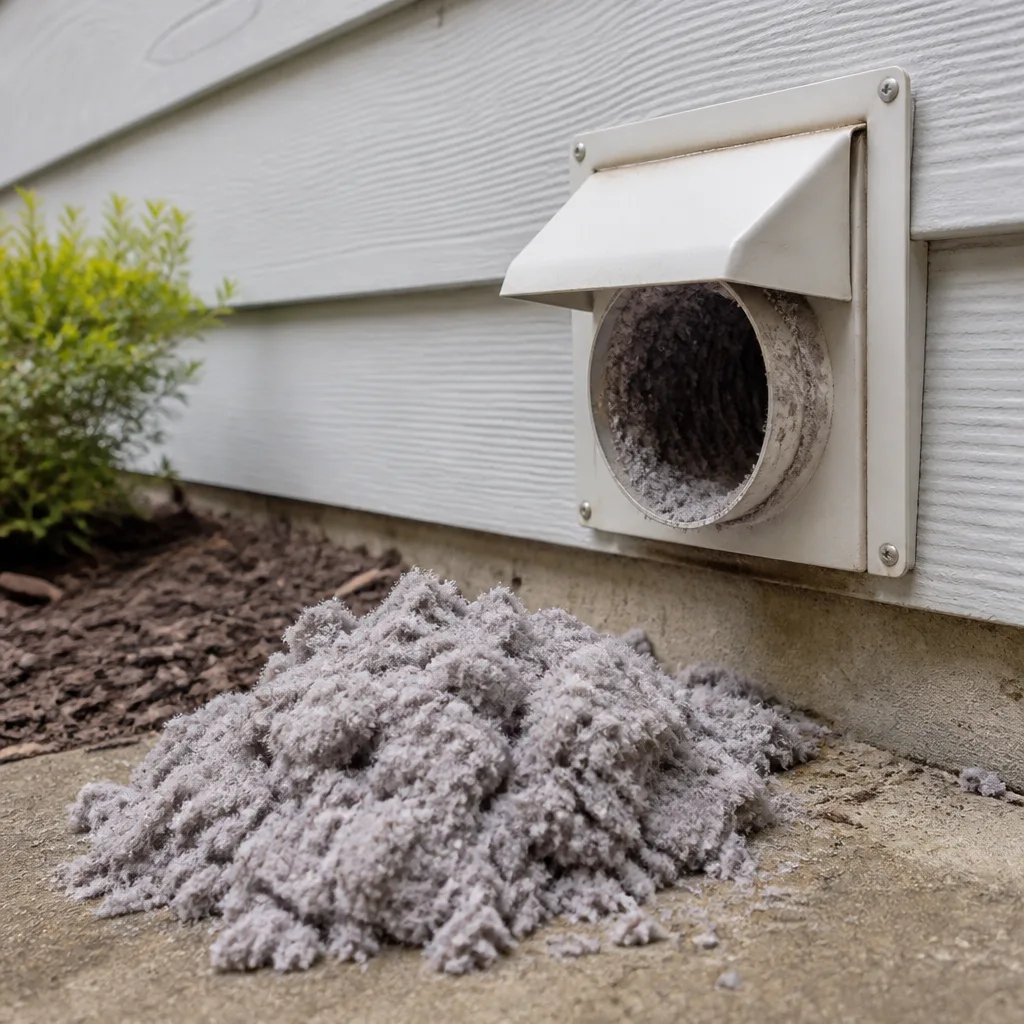 Dryer vent cleaning
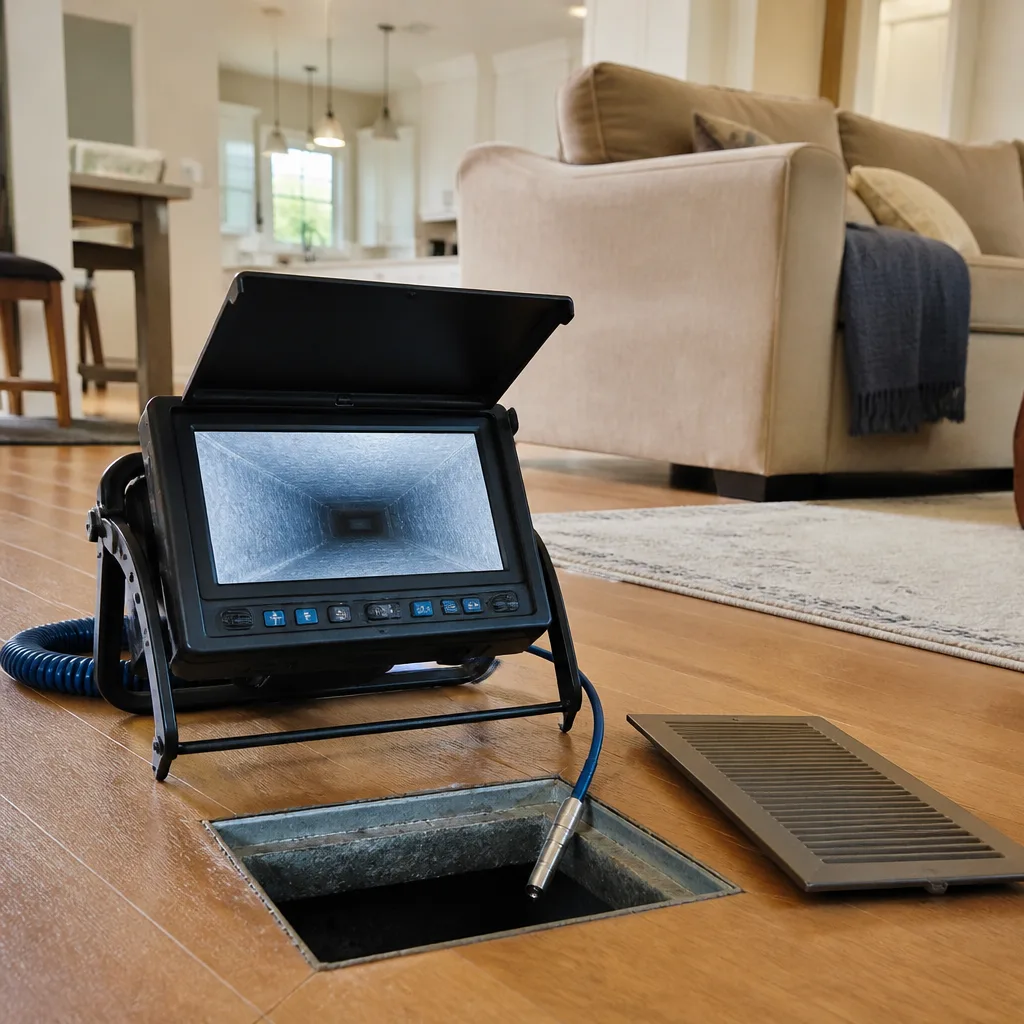 Camera inspection
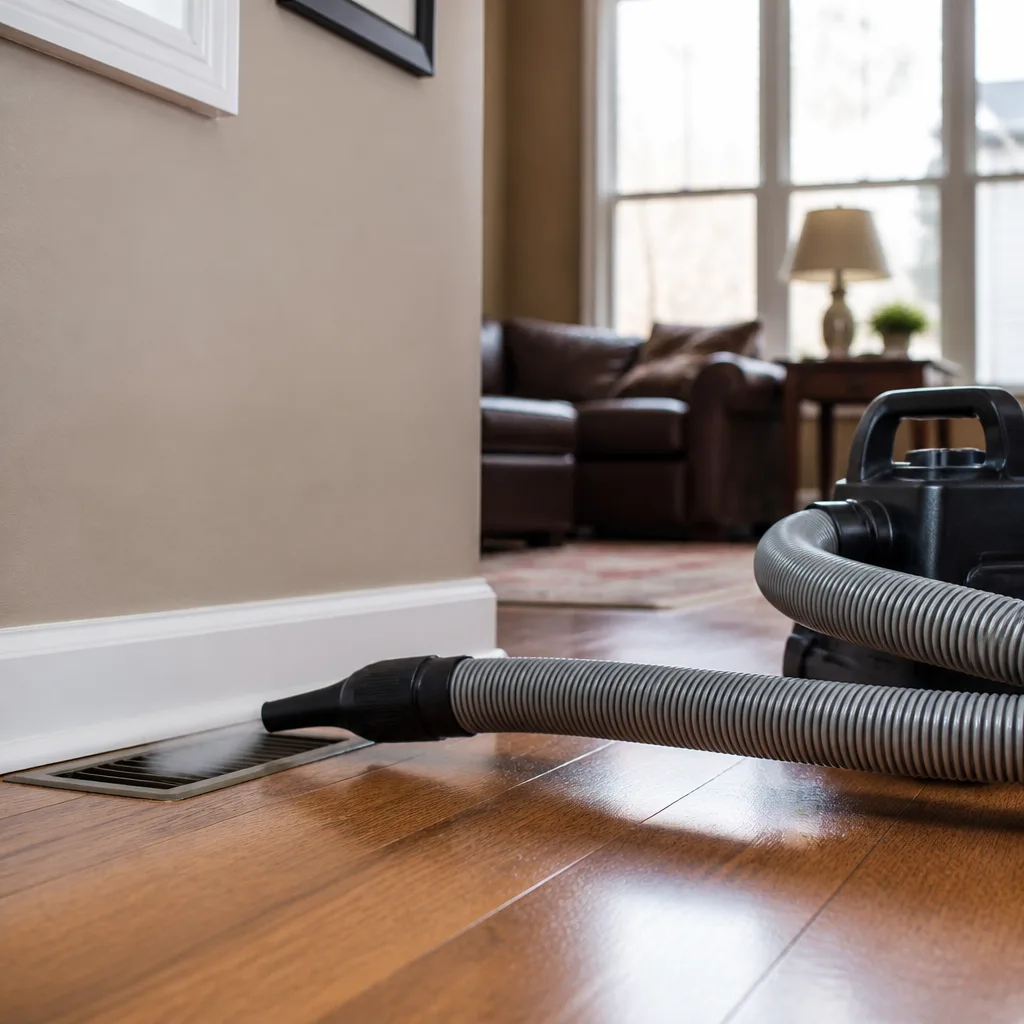 Sanitizing & deodorizing
Whole-system duct and dryer vent check with before-and-after photos - you see exactly what came out of your vents
That "$99 whole-house special" is a bait ad - the real number appears once they are in your hallway, or the "clean" is a shop-vac at the register. We photograph the inside of your ducts before and after instead.
How to Hire an Air Duct Cleaning Contractor in Costa Mesa: A Step-by-Step Guide
Most homeowners hire a duct cleaner the same way they hire a pizza place: they pick whoever shows up first and cheapest. That instinct works fine for pizza. It fails badly for a job that happens inside sealed chases, above ceilings, and behind drywall, where nobody can watch the work and nobody can inspect it afterward without the right tools. The vetting has to be done before anyone pulls into your driveway. That’s the whole point of this guide. We’ll walk through the questions that separate a real contractor from a coupon operation, how to read a license lookup, what a proper pre-job inspection looks like, and the three contract clauses that protect you.
Quick Answer
To hire an air duct cleaning contractor in Costa Mesa, verify the contractor’s California license and classification, ask what equipment they’ll actually use (a source vacuum with real CFM, not a shop vac), insist on a camera inspection and written scope before payment, and get itemized pricing plus post-job camera verification written into the contract. Any contractor who won’t answer those questions on the phone is telling you something useful. The best time to find that out is before you’ve paid a deposit.
Styles & brands we work with
- Whole-home duct cleaning
- Dryer vent cleaning
- Camera inspection
- Sanitizing & deodorizing
Table of Contents
- Why Hiring Is Riskier Than It Looks
- What the NADCA ACR Standard Actually Requires
- Equipment Questions to Ask Before Booking
- Reading a California Contractor License for Duct Work
- What a Legitimate Pre-Job Inspection Includes
- Three Contract Clauses That Protect You
- Costa Mesa and Orange County Hiring Context
- How to Know You’re Ready to Book
Why Hiring Is Riskier Than It Looks
The reason duct cleaning has one of the highest rates of bait-and-switch in home services is structural, not a matter of a few bad actors. Duct cleaning is an unbounded, unobservable job. A roofing crew’s work is visible from the ground. A painter’s work is visible the moment you walk in the door. A duct cleaner’s work is inside a cavity you can’t see, timed at your convenience, priced against a market with no agreed baseline. That combination makes it easy to advertise a low headline price and then build a large invoice once the machine is running and the technician is already in your hallway.
Orange County’s dense population makes Costa Mesa a frequent target. The customer base is large, the housing stock is varied, and property managers move fast. That attracts out-of-area operators who run a few trucks through the market for a season and move on. You’ll see the pattern in the advertising: a very low headline number, a phone number with an unfamiliar area code, and a pitch that starts with “we’re in the neighborhood today.” None of those are proof of fraud on their own. Together, they’re worth a closer look.
The fix isn’t paranoia. It’s a checklist. The rest of this guide is that checklist, laid out the way we would want it if we were hiring for our own home.
What the NADCA ACR Standard Actually Requires
The NADCA ACR standard, formally the Assessment, Cleaning, and Restoration standard, is the industry baseline for how duct cleaning should be performed and documented. It’s not a vague “certified” badge you put on a van. It’s a specific sequence of work, and it’s the best contract checklist you can bring to the conversation. The name to know is ACR. When a contractor tells you they “follow the standard,” ask which steps they perform and in what order.
Broadly, ACR breaks the job into three phases:
- Assessment. Before cleaning, the contractor inspects the system, identifies the surface types (sheet metal, flex, fiberglass duct board), and documents the type and extent of contamination. A proper assessment includes at least some camera work on representative runs and a written summary of what was found.
- Cleaning. The system is placed under controlled negative pressure, components are cleaned using mechanical agitation plus source removal, and debris is captured rather than dispersed. This includes registers, grilles, plenum, coil surfaces where accessible, and the supply and return runs. The contractor should tell you which components they clean and which they don’t.
- Restoration. Anything the cleaning disturbed gets put back, and where the assessment found leaks, gaps, or failed seals, those are addressed. Restoration also means the job is verified: a post-cleaning inspection compares against the pre-cleaning condition.
Two failure modes show up in our market all the time. The first is blow-and-go: no containment, no negative pressure, an air hose and a claim that everything is now clean. The second is partial-scope cleaning where only the easy trunk sections get attention and the branch runs are never touched. Both can be caught with two questions: “how do you maintain negative pressure during the job,” and “how do you verify the branch runs afterward.” A contractor following ACR will answer both without hesitation. If either question gets a shrug, you have your answer.
Equipment Questions to Ask Before Booking
The tools tell you what kind of job it’s going to be. Residential duct cleaning rigs vary enormously, and the difference isn’t cosmetic. Ask what the crew will bring and write the answers down. A contractor who is proud of their equipment will enjoy these questions.
Start with the source vacuum. You’re looking for a negative air machine, not a wet/dry shop vac. Ask for the brand and the CFM. A professional-grade system like Rotobrush or Nikro runs at CFM ratings that create meaningful negative pressure in the system; a big-box vacuum rig doesn’t. This matters because without real negative pressure, the debris you’re paying to remove gets airborne inside the house instead of captured. That’s the exact opposite of what you want.
Ask whether the crew uses contact vacuuming or “blow and go.” Contact vacuuming means the cleaning head physically touches and agitates the duct surface while the vacuum captures the loosened debris. Blow-and-go means compressed air is pushed down the duct and whatever comes out the other end is whatever comes out. Contact vacuuming is the standard. Blow-and-go is a shortcut dressed up as a method.
Ask what agitation tools are used on each duct type. Flex duct and sheet metal need different tools. Flex duct requires gentler agitation because aggressive brush work can tear the liner. Sheet metal tolerates more aggressive rotary brushing and whip lines. A crew that describes one tool for everything is telling you they haven’t thought about surface type. A crew that names the specific tool for each material has.
Ask about containment. Professional jobs run HEPA filtration and often negative-air equipment to capture displaced particulate. That’s standard practice in remediation work, and it’s a reasonable expectation in a home where someone has allergies or asthma. If the answer is “we cover the vents with a sheet,” that’s not the same thing.
Reading a California Contractor License for Duct Work
California has one of the more useful contractor license lookups in the country. Use it. The Contractors State License Board publishes a searchable database, and the search takes about two minutes. What you’re looking for is an active license tied to a name and a classification, not just a number on a business card.
The classification codes matter. For air duct cleaning and the HVAC work that often runs alongside it, you’re looking at a C-20 (HVAC) classification, or a C-43 (sheet metal) classification, or occasionally a general building contractor license (B) if the work is part of a larger scope. A contractor who does duct cleaning and also does duct repair and sealing should have a classification that covers the repair side. Ask which classification they hold and why. A real contractor knows their own classification off the top of their head. An operator working without a license often doesn’t, and sometimes doesn’t recognize the question.
The liability gap is the part that costs homeowners money without them noticing. Most homeowner insurance policies cover work performed by licensed and insured contractors. If an unlicensed operator damages something inside the system, or causes a water leak from an improperly handled condensate line, or knocks a hole through a duct board, you may find the damage excluded. You can’t easily file a claim against someone who has no license, no bond, and no verifiable business address. The cheap job becomes the expensive one after the fact, in a way that’s invisible at the point of sale. Before booking, ask for the license number and confirm it on the CSLB lookup yourself. That’s not distrust. That’s how the system is meant to be used.
When the professionals we connect you with arrive, the local pro is licensed and insured as their state requires. Ask for the same documentation from anyone you’re considering. The conversation is the same whether the contractor is one we can connect you with or someone you found on your own.
What a Legitimate Pre-Job Inspection Includes
A legitimate duct cleaning contractor inspects before they quote. Not after. The inspection is where the real information lives, and it’s the part a shortcut operation skips. Here’s what a proper pre-job inspection includes:
- Camera scope of representative duct runs. A borescope or similar camera goes into at least the main supply trunk and a few representative branch runs. The technician should show you the screen. If they won’t, ask why.
- Identification of contamination type. Dust and debris, biological growth, construction particulate, pet dander, or some combination. The type of contamination changes the cleaning method and whether sanitizing is appropriate.
- Component inventory. What’s in the system: registers, grilles, supply runs, return runs, plenum, air handler, coil, condensate pan. The contractor should tell you what’s included in the scope and what’s additional.
- Identification of existing damage. Tears in flex duct liner, disconnected sections, gaps at joints, crushed sections, failed seals at registers. Cleaning a damaged system without repair re-contaminates it within weeks. This is why Costa Mesa Air Duct Cleaning Pros includes duct repair and sealing in the same visit where it’s needed: cleaning around a known gap just recirculates the same debris.
- Written scope of work. Before any money changes hands. It should list the components to be cleaned, the method for each, the equipment, the estimated time, and the price. If you’re comparing quotes, put them side by side. The one that’s twice as long is usually the more careful one.
In older Costa Mesa neighborhoods, this inspection almost always finds something worth fixing. Duct systems in 1960s and 1970s housing often have flex runs that have been crushed, disconnected, or re-routed by a previous remodel. The retrofit is rarely pretty. A contractor who walks the system and documents what’s actually there is doing a different job than one who quotes from the driveway.
Three Contract Clauses That Protect You
Most duct cleaning contracts are a paragraph on the back of an invoice. Yours shouldn’t be. Three clauses, in writing, before any payment:
1. Itemized pricing by component, not flat-rate mystery. A flat headline price against a vague scope is the setup for a bait-and-switch, and it’s the standard trick. Better: a line for the trunk, a line for each register group, a line for the air handler, a line for any repair. You should be able to look at the contract and understand what each dollar is buying. If the invoice balloons because “we found more than we expected,” you asked for component pricing and got a mystery box instead of a contract. The job is priced per system by the written estimate. That should be agreed before work starts, not after.
2. Post-job camera verification, included. The job isn’t done when the technician says it’s done. The job is done when the camera goes back in the same runs and shows the result. Verification should be included in the contract at no additional charge, and you should get the before-and-after photos of your own ducts. Not stock images. Not a photo of someone else’s job. Yours. In our experience, this is the single most useful clause to argue for. If a contractor won’t include it, the reason is usually something you don’t want to find out later.
3. Written warranty on workmanship. Whatever the cleaning warranty is, it should be in writing with a defined length and what it covers. If contamination returns in a documented way within that window because the work was incomplete, the contractor comes back. Vague promises don’t count. Written ones do.
Add a fourth for anything sensitive: a statement of what happens if the crew discovers damage to the system during work. The right answer is a stop, a call, and a revised estimate before proceeding. The wrong answer is “we just went ahead.”
The services described below are worth clarifying up front so the scope conversation is straightforward:
- Air conditioning duct cleaning. Full system cleaning with containment, contact vacuuming, and verification. See our dedicated page on air duct cleaning for the detailed method.
- Dryer vent cleaning. A fire-prevention service, treated as a real job in the lineup, not an upsell. Lint buildup in a dryer vent is combustible, and it doesn’t discriminate by home age. Details at dryer vent cleaning.
- HVAC cleaning. The coil, blower, drain pan, and cabinet surfaces the ducts feed into. Cleaning the ducts without cleaning the air handler leaves the source in place. More at HVAC cleaning.
- Duct repair and sealing. Fixing gaps, tears, disconnected runs, and failed seals. Done in the same visit as cleaning where the inspection finds them.
- Air quality and sanitizing. Filtration upgrades and treatment where the assessment found biological growth or heavy particulate, using equipment and products from brands like Honeywell and Aprilaire.
Costa Mesa and Orange County Hiring Context
A few local realities shape what a careful hiring process looks like here, beyond the general checklist.
The market is dense and the population moves. That means two things. First, competition for the same job is high, and the incentive to underbid on the front end is real. Second, the market is big enough to support scam operators who run a few trucks under rotating names, advertise in local mailers, and disappear. The best defense is verifying the license and the business address. If the business address doesn’t exist, the license is likely to be borrowed, temporary, or nonexistent.
Housing stock matters too. Costa Mesa has a mix of older single-family homes, mid-century tracts, and newer construction, plus a large rental and property-management base. Each produces a different kind of duct system and a different set of failure modes. A mid-century home with original flex runs is a repair conversation as much as a cleaning conversation. A newer home with a tight system is more about filtration and airflow. A rental property needs documentation that serves both the owner and the tenant. Ask a prospective contractor how they handle each, and listen.
We don’t claim to be the cheapest quote in Costa Mesa, and we won’t be. The equipment we use, and the multi-system scope of the work, costs more on the front end than a truck with a shop vac and a clipboard. If price is your only criterion, you’ll find a cheaper quote. If you want the work done the way the ACR standard describes and the results documented before the truck drives away, that’s a different comparison. Ask the questions in this guide, get the written scope, compare quotes side by side, and the answer usually sorts itself out.
When you’re ready to talk through what’s involved on your system, call us. Call (877) 492-3292. We answer 24/7. Fast dispatch from 7am to 7pm, Sunday through Friday. Estimates are free.
How to Know You’re Ready to Book
You’re ready to book a duct cleaning in Costa Mesa when you can answer all of these without looking at your notes:
- The contractor’s license number, verified on the CSLB lookup, with a classification that covers the work.
- The brand and CFM of the source vacuum they’ll use.
- Whether they use contact vacuuming or blow-and-go, and what agitation tools they use on flex versus sheet metal.
- What containment they’ll set up, and whether HEPA filtration is included.
- What components are in scope, itemized by line.
- Whether post-job camera verification is included, and whether you’ll receive the photos.
- The written workmanship warranty, with its length and terms.
- What happens if the crew finds damage during the job, and how the estimate gets revised before anything proceeds.
If you can answer all eight, you’re ready. If you can answer five and the other three got a vague answer, ask again. The right contractor will be happy to go over it. The wrong one will start explaining why the questions don’t matter.
One more note for property managers: the same checklist applies, but the documentation matters more. Tenants ask about the work. Owners ask about the cost. An itemized scope, before-and-after photos, and a written warranty give you something to point at. Save the documentation. Future you will be glad.
Common Mistakes to Avoid
- Booking off a coupon with no scope. A very low headline price against a vague description is the setup, not the deal. The deal happens once the technician is on site and the invoice is open.
- Skipping the license lookup. It’s a two-minute search on the CSLB site. Skipping it leaves you without recourse if something goes wrong, and it happens to Costa Mesa homeowners more often than they’d expect.
- Letting “certified” stand in for a specific standard. “Certified” isn’t a standard. NADCA ACR is. Ask which steps of ACR the crew actually performs.
- Cleaning without repairing. If the inspection finds torn flex, disconnected runs, or failed seals, cleaning without repairing re-contaminates the system quickly. Repair and clean in the same visit.
- Accepting the cleaning job without camera verification. “Trust us, it looks great” is not verification. Get the photos of your own ducts, not stock images.
- Assuming a flat price means a fixed job. A flat price without an itemized scope is the setup for a large add-on after the technician has started. Itemize by component.
- Being talked out of a pre-job inspection. If a contractor wants to skip the camera scope and get straight to the machine, they’re skipping the part that tells you what you’re paying for.
See the difference
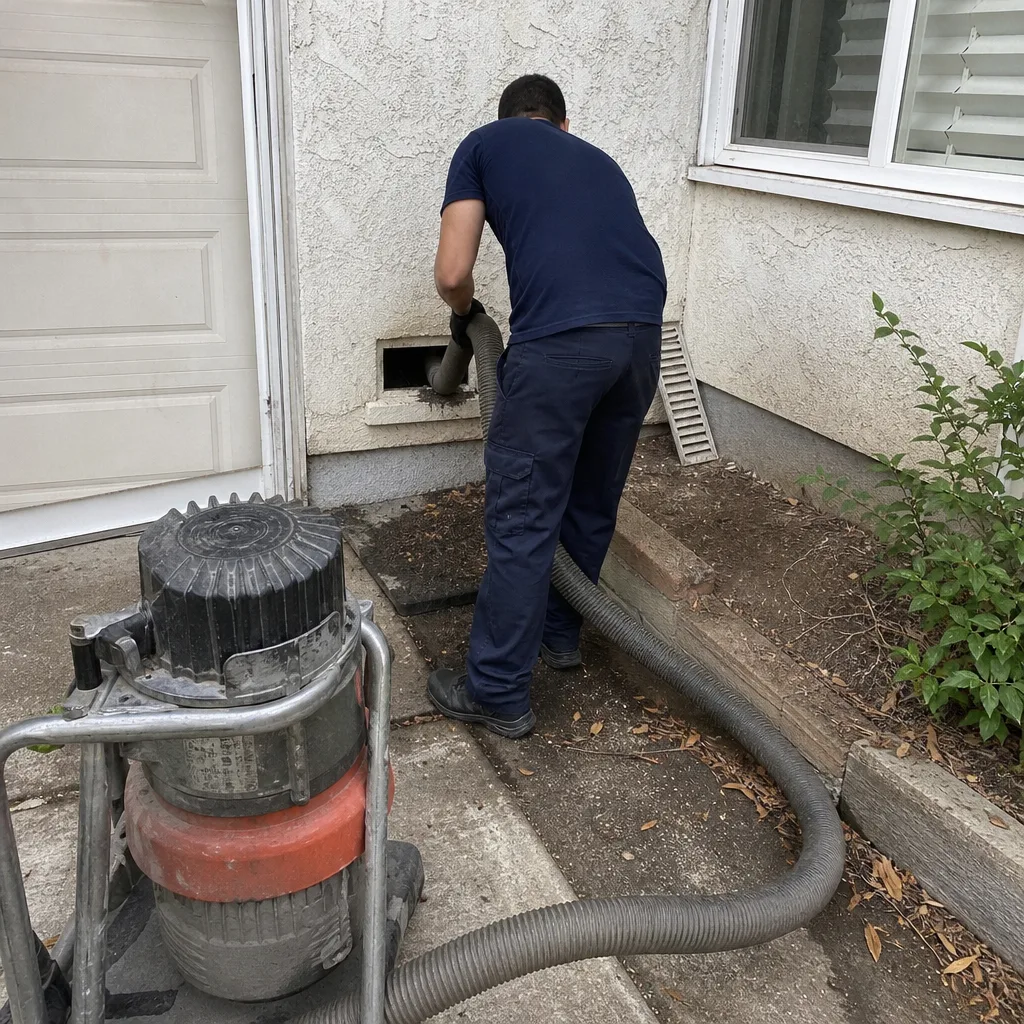 Before
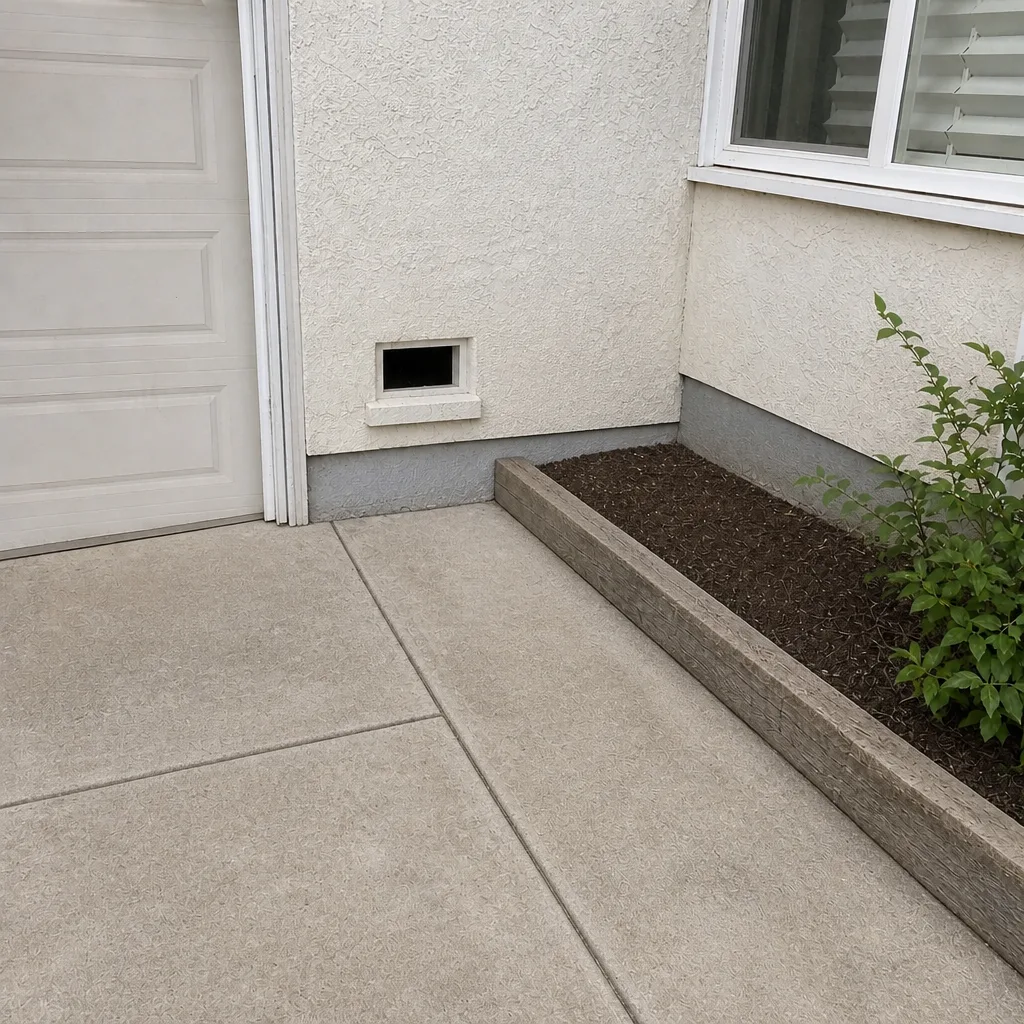 After
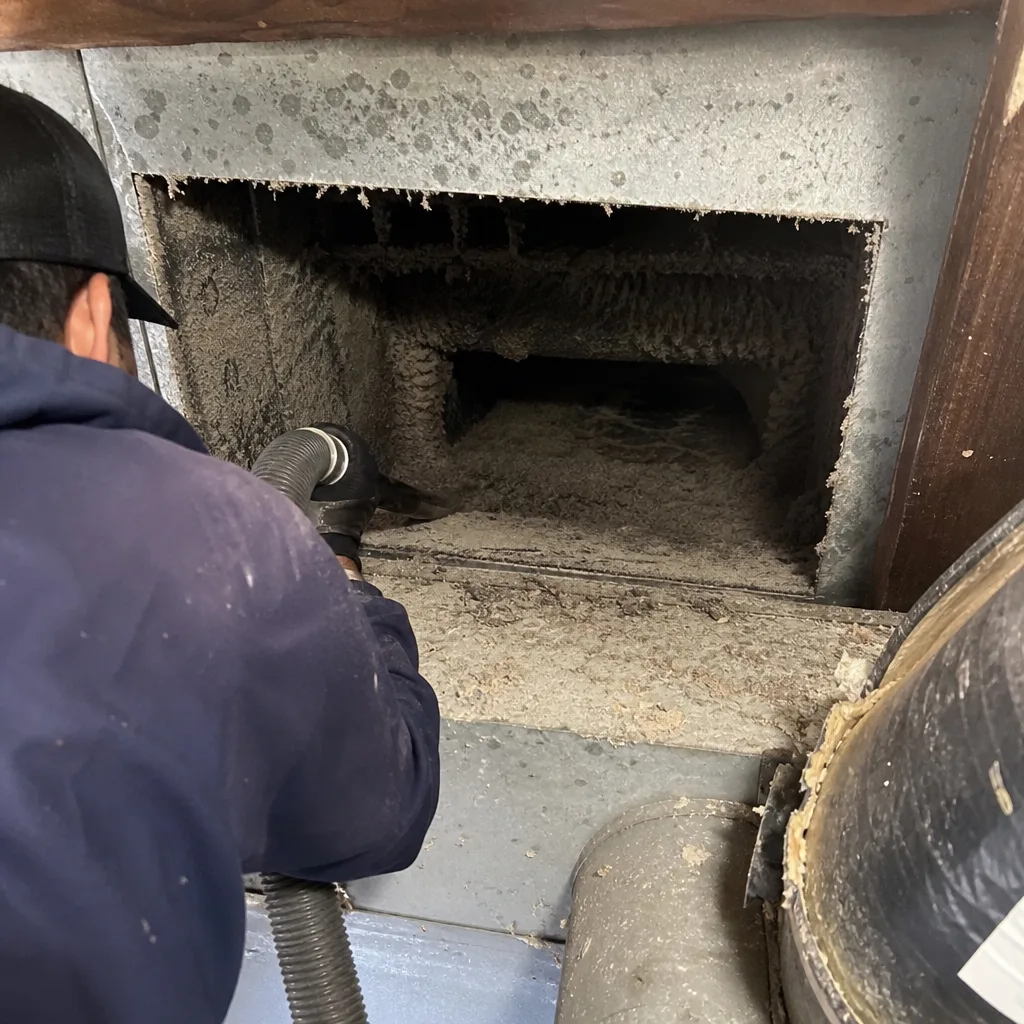 Before
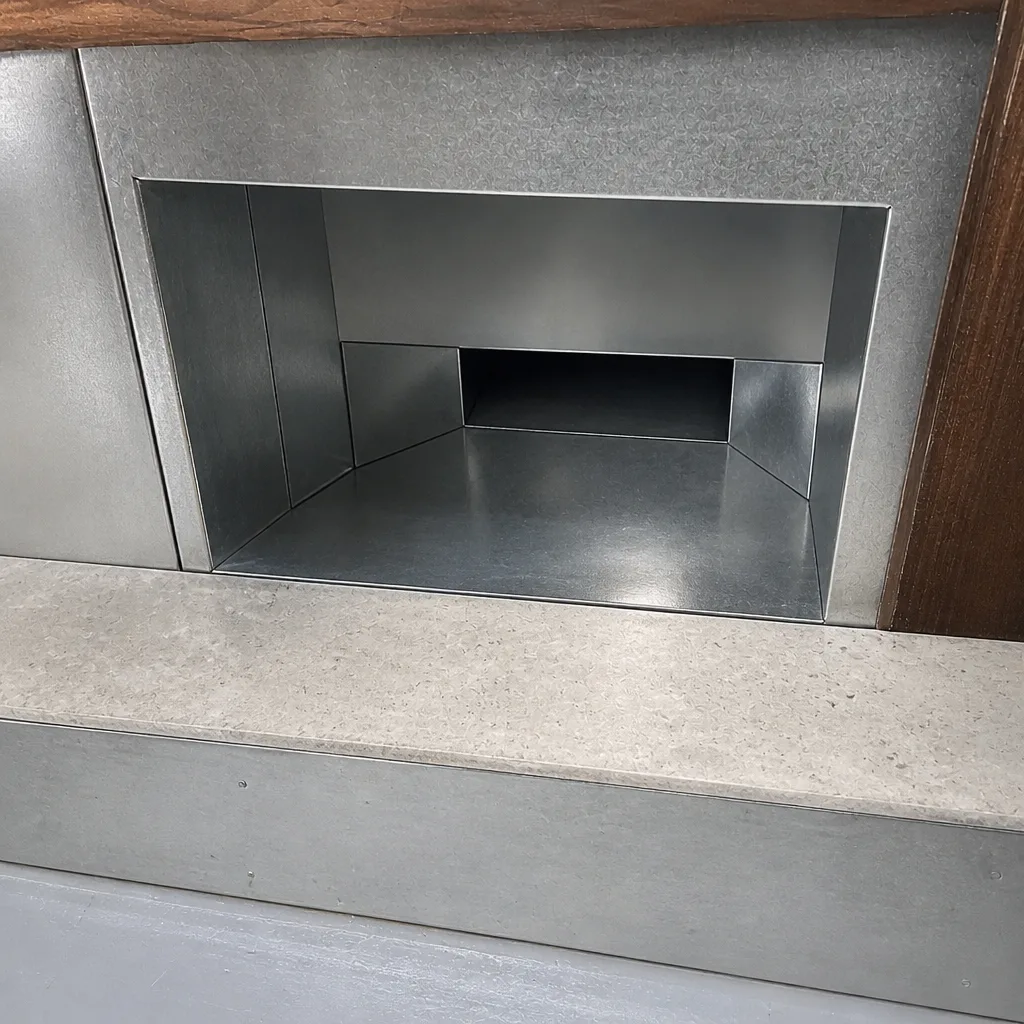 After
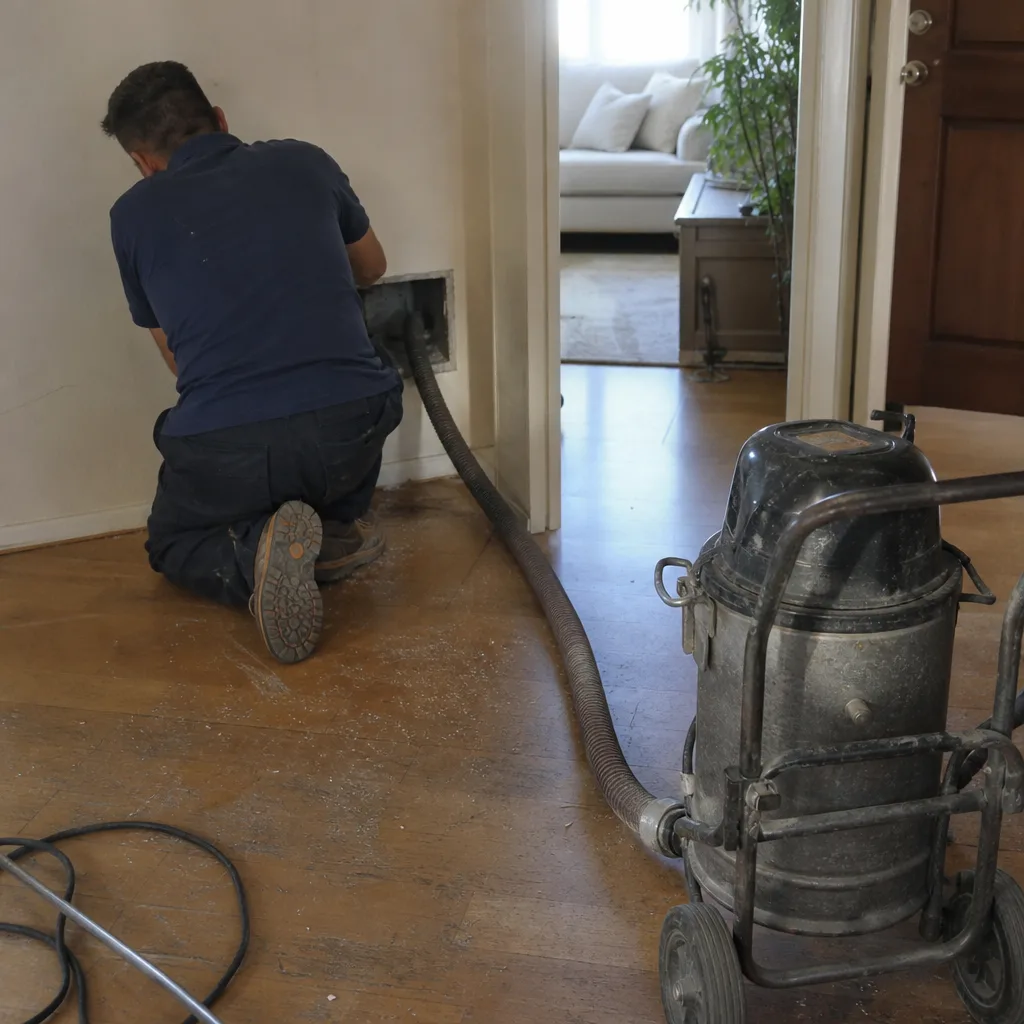 Before
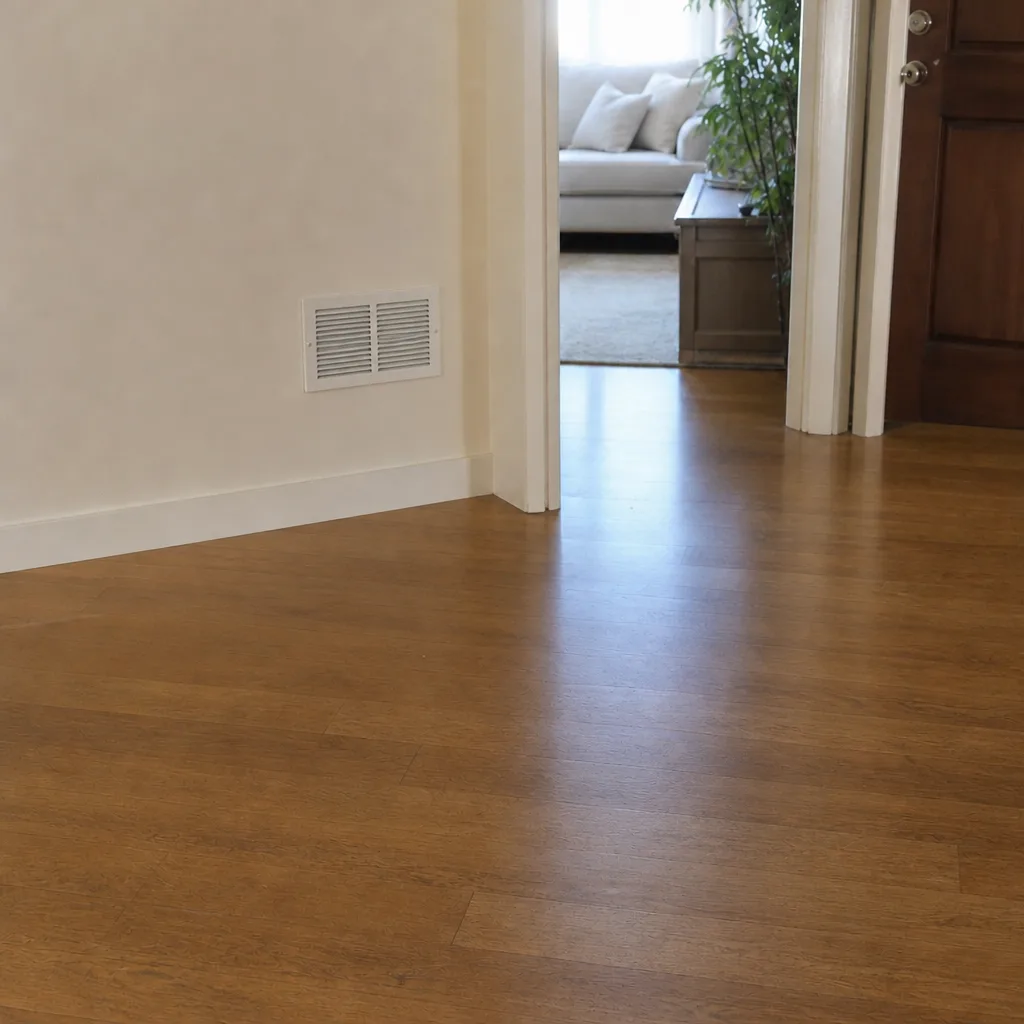 After
When to Call a Professional
A duct cleaning is worth scheduling when you can point to a specific reason: a recent renovation that stirred construction dust, a visible dust pattern around the registers, allergy or asthma symptoms that seem tied to the HVAC system, a move into an older Costa Mesa home where the cleaning history is unknown, or a dryer that’s taking noticeably longer to dry clothes. Those are the signs that the assessment phase of the job will find something worth addressing. The work is inside walls and ceilings. It’s not a job for a shop vac and a Saturday afternoon. It’s also not the kind of job you want to price by the register. Duct cleaning in Costa Mesa is a whole-system job, and the pros we connect you with handle it that way. Costa Mesa Air Duct Cleaning Pros offers free estimates in Costa Mesa. Call (877) 492-3292 for an exact quote.
Frequently Asked Questions
Pricing varies with the size of the system, the number of registers, and whether repair or air quality work is included. The honest answer is that you shouldn’t book on a headline number; you should book on an itemized written scope, component by component, agreed before work starts. The written estimate sets the final price. Call (877) 492-3292 for an exact quote. Estimates are free.
Because they usually price for a smaller scope or a faster method. A blow-and-go job with no containment and no verification costs a fraction of a full ACR-style cleaning, and it does a fraction of the work. In the Costa Mesa market, the cheapest quote is often a set-up for a large invoice once the technician is inside. Compare itemized scopes, not just the total. Call (877) 492-3292 and we’ll walk through what a real scope looks like. Estimates are free.
Camera verification, before and after, on the runs that were inspected before the job. You should receive photos of your own ducts, not stock images. Our approach includes that verification as part of the job. If a contractor won’t include it, ask why. Call (877) 492-3292 to talk through the verification process. Estimates are free.
There’s no single interval that fits every home. A practical rule: schedule when there’s a reason. Renovation, a move into an older home, visible dust at the registers, allergy symptoms tied to the HVAC, or significant pet dander. A system that was cleaned properly and kept sealed typically goes a long time between cleanings. Call (877) 492-3292 if you’re not sure where your system stands. Estimates are free.
California requires licensing for contractor work, and duct cleaning that includes repair, sealing, or HVAC-related work falls under the CSLB’s classifications. Verify the license number on the state lookup before you book. The local pro is licensed and insured as their state requires. If the answer to “what’s your license number?” is a shrug, that’s your answer. Call (877) 492-3292 and we’ll explain what to look for. Estimates are free.
Contact vacuuming means the cleaning head physically agitates the duct surface while a source vacuum captures the loosened debris. Blow-and-go means compressed air is forced down the duct and whatever comes out is whatever comes out. Contact vacuuming is the standard, and it’s what a serious job looks like. Ask which method the crew uses. Call (877) 492-3292 to walk through the equipment on a real job. Estimates are free.
The Bottom Line
Hiring an air duct cleaning contractor in Costa Mesa is a vetting exercise, not a price comparison. Verify the license on the CSLB lookup, ask about the source vacuum and CFM, ask which agitation tool is used on flex versus sheet metal, insist on a camera scope before any money changes hands, and get the three protective clauses in writing: itemized component pricing, post-job verification included, and a workmanship warranty with a defined length. If the contractor answers all of those and puts the scope in writing, you’re dealing with a professional. If they talk around the questions, you’ve learned what you needed to know. The pros we connect you with work this way because the equipment, the documentation, and the repair scope are what the job actually requires. Call (877) 492-3292 for a free estimate. We answer 24/7. Fast dispatch from 7am to 7pm, Sunday through Friday.
Written by the team at Costa Mesa Air Duct Cleaning Pros.