
Last updated November 25, 2026
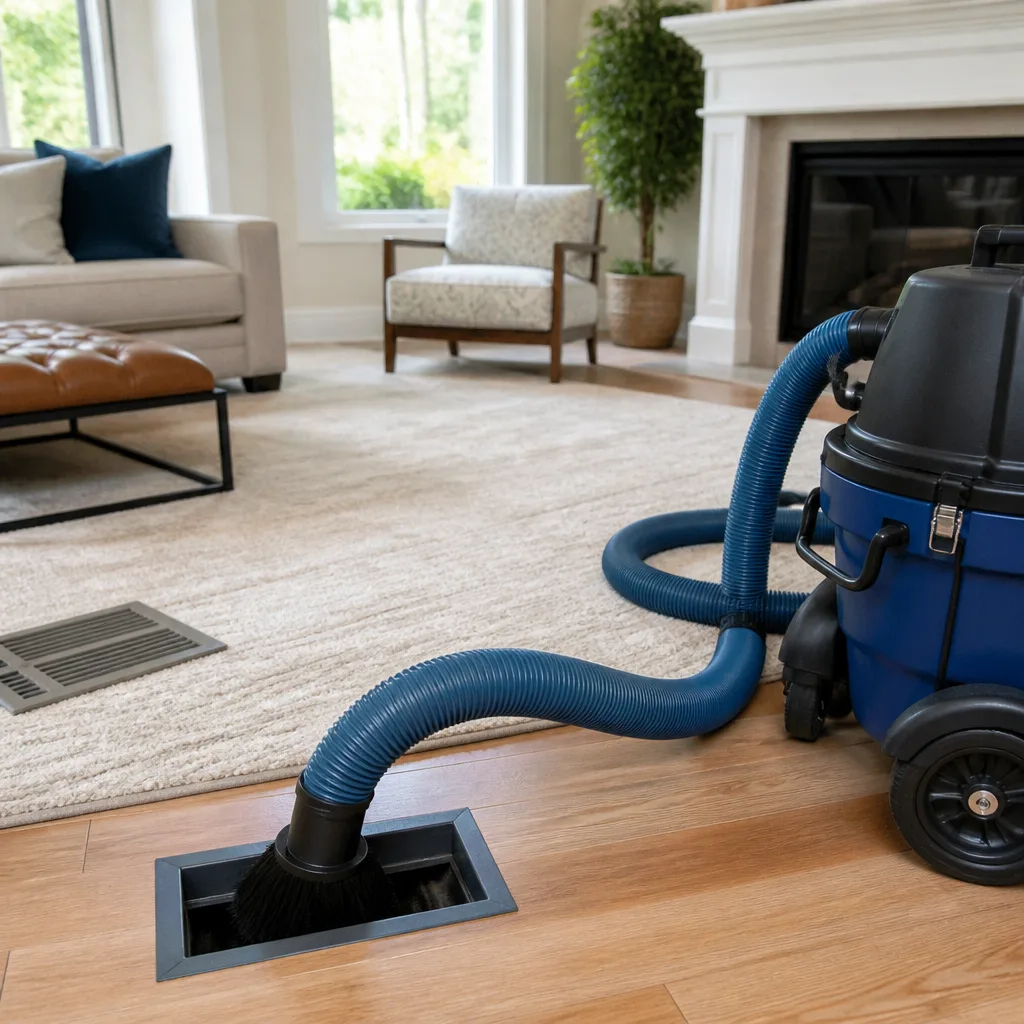 Whole-home duct cleaning
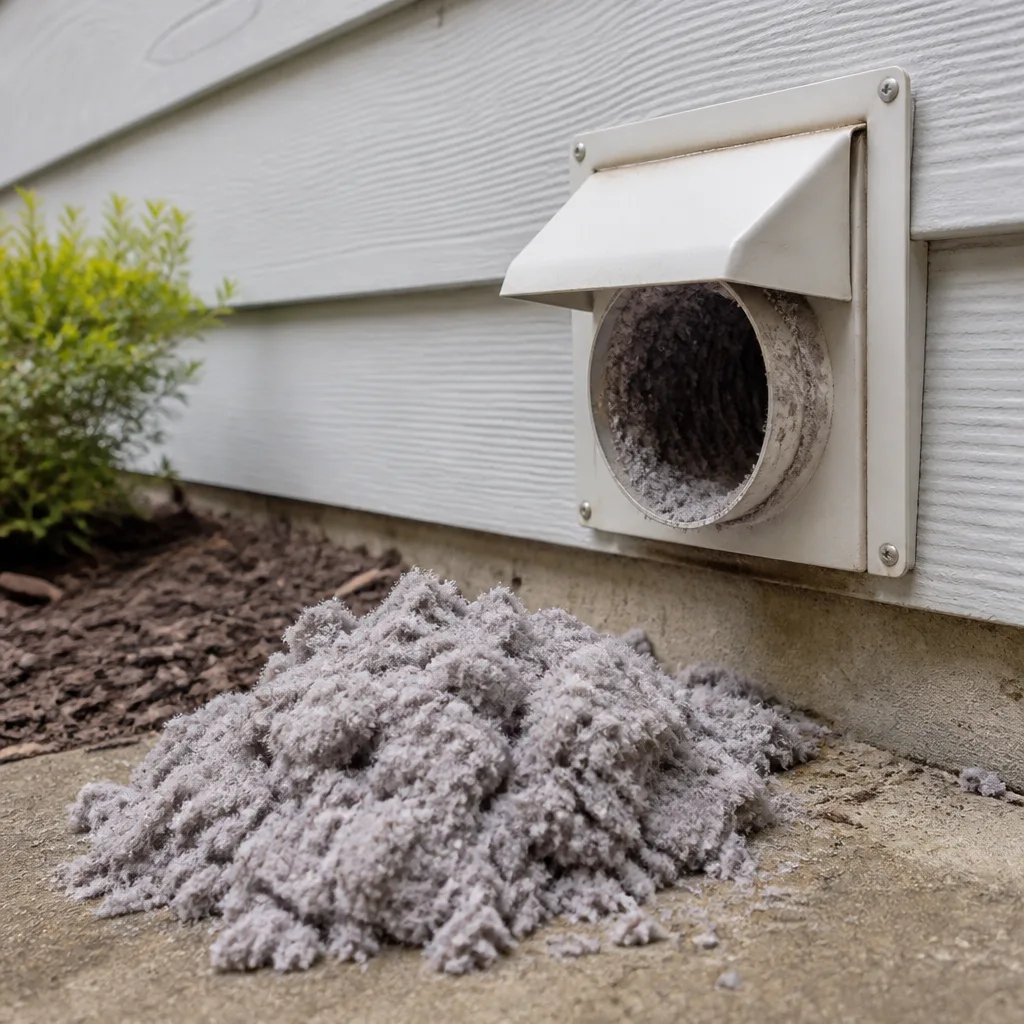 Dryer vent cleaning
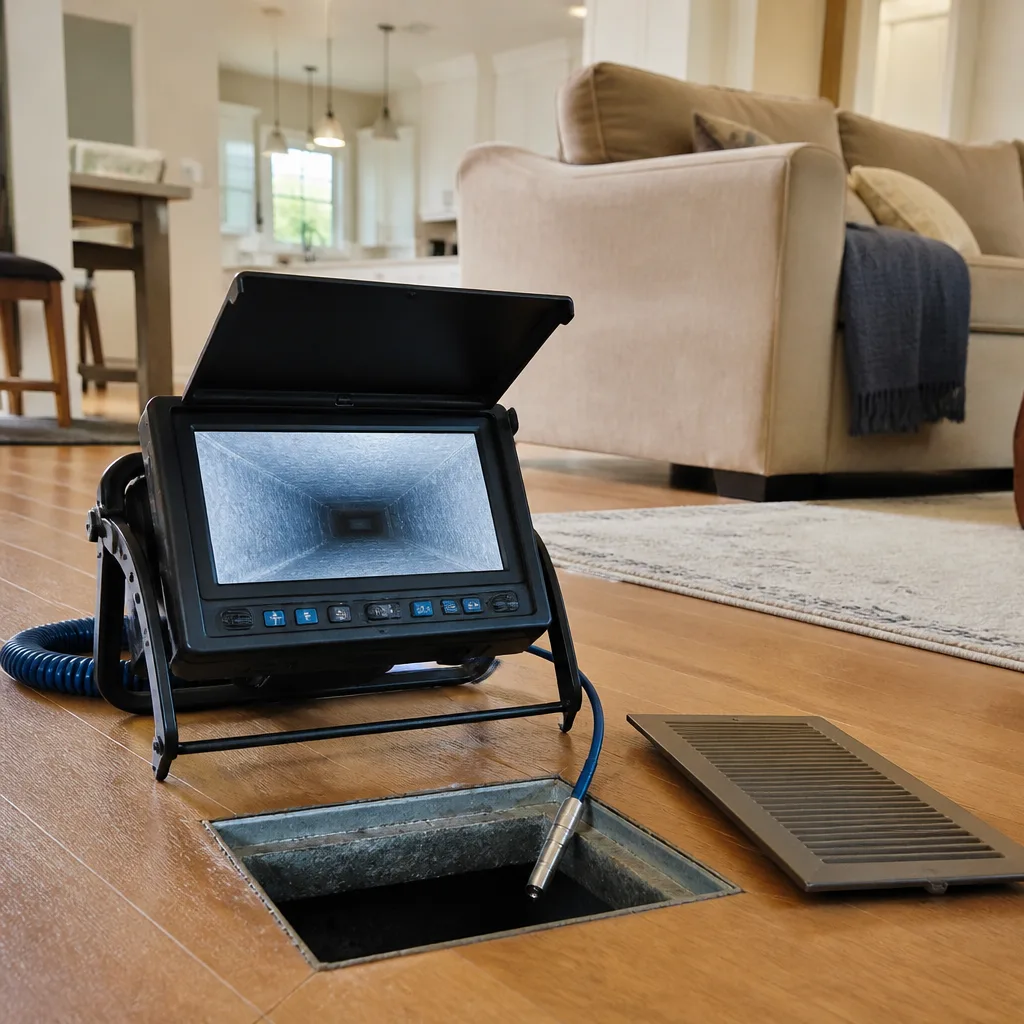 Camera inspection
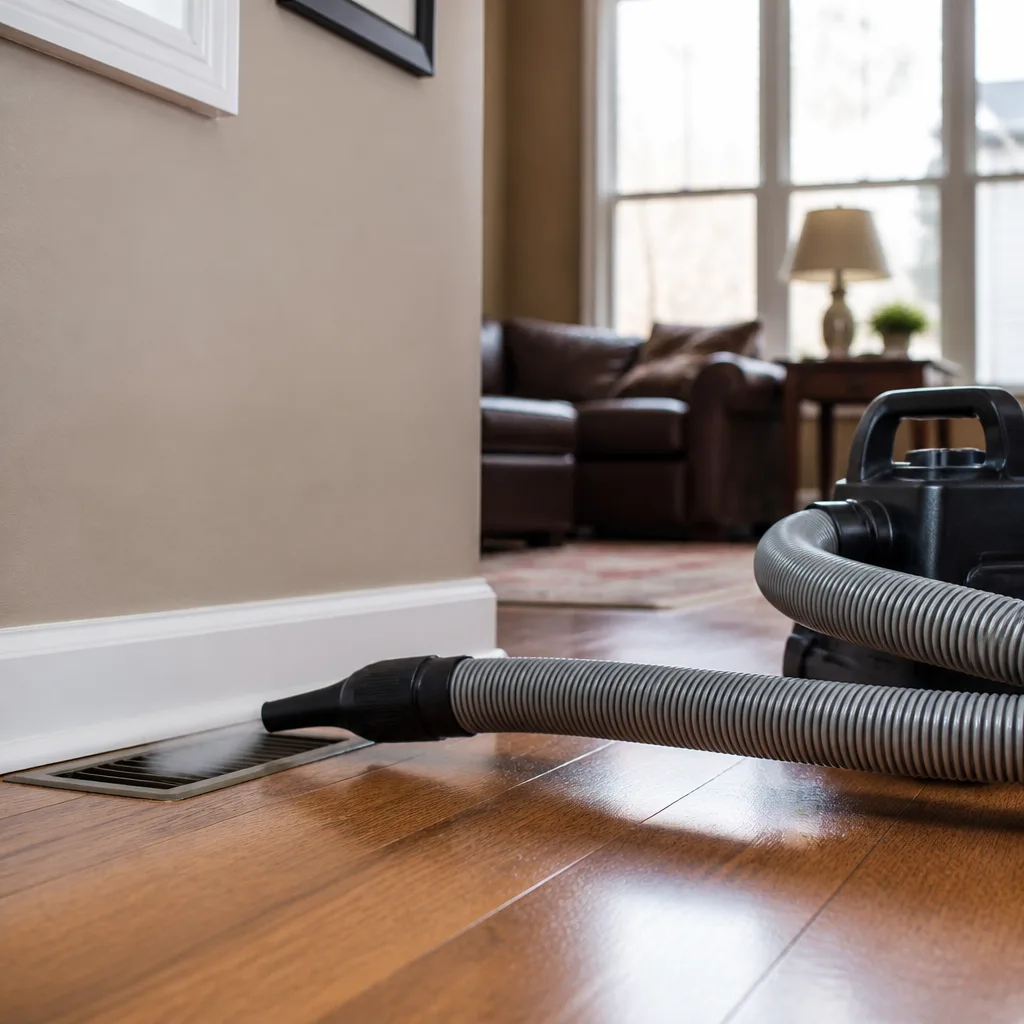 Sanitizing & deodorizing
Whole-system duct and dryer vent check with before-and-after photos - you see exactly what came out of your vents
That "$99 whole-house special" is a bait ad - the real number appears once they are in your hallway, or the "clean" is a shop-vac at the register. We photograph the inside of your ducts before and after instead.
The Complete Guide to Air Duct Cleaning in Costa Mesa
Most people who book a “whole-house” duct cleaning never actually see the parts of their system that hold the most debris. The work stops where a shop-vac hose stops: the visible supply runs behind a few accessible registers. The return plenum, the air handler cabinet, the evaporator coil housing, and the register boots stay untouched. Those are the places biological growth and settled particulate collect, because air moves slowest and stays wettest there. In this guide we’ll walk through what a full air pathway job actually includes, how Costa Mesa’s two-season weather pattern affects what builds up inside ducts, and how to tell a real cleaning from a surface pass.
Quick Answer
A complete air duct cleaning in Costa Mesa covers the entire air pathway, not just the ducts: supply and return ducts, the return plenum, air handler cabinet, evaporator coil housing, registers, and grilles. A thorough job uses camera inspection, mechanical agitation, and a negative air machine with HEPA filtration running throughout, then verifies the result before the crew packs up. If any of those three steps is missing, the service is not complete.
Styles & brands we work with
- Whole-home duct cleaning
- Dryer vent cleaning
- Camera inspection
- Sanitizing & deodorizing
Table of Contents
- What the Whole Air Pathway Actually Means
- How Costa Mesa’s Marine Layer and Santa Ana Winds Drive Contamination
- Negative Air Machines vs. Shop Vacs: What the Equipment Actually Does
- The Six-Step Sequence a Thorough Job Follows
- Red Flags That a “Complete” Service Is a Surface Pass
- Repair and Sealing: Why Cleaning Alone Doesn’t Fix the System
- How Often Ducts Really Need Cleaning in Costa Mesa
- How to Choose a Duct Cleaning Company
What the Whole Air Pathway Actually Means
When we talk about the whole air pathway, we mean every surface that conditioned air touches between the return grille and the supply register. That’s a longer list than most homeowners expect, and each part of it collects a different kind of contamination.
Here’s what a full inspection covers:
- Return ducts and return plenum. The return side runs under negative pressure, so it pulls in dust, lint, pet hair, and whatever else is suspended in the room air. The plenum, the large box shape that feeds into the air handler, is the single most common place we find heavy buildup. It’s also the section most often skipped because it may require cutting a small access panel.
- Air handler cabinet. The blower wheel and cabinet interior collect a mat of dust that reduces airflow and makes the blower work harder than it should.
- Evaporator coil housing. Because the coil is wet during cooling season, this is where biological growth tends to establish. Dust sticks to the damp fins, and once it does, the coil loses efficiency and the housing becomes a reservoir.
- Supply ducts. These run under positive pressure, so they tend to stay cleaner than returns, but they still accumulate settled debris, especially in longer runs and at the far ends of the system.
- Register boots and grilles. The short metal sections that connect the duct to the room-facing grille trap a surprising amount of material right at the faceplate, where airflow is fastest and dust is most likely to drop out of the airstream.
A cleaning that touches only the accessible supply runs and calls itself complete is leaving the biggest reservoirs in the system untouched. That’s why camera inspection matters: it’s how you confirm what’s actually inside the plenum and coil housing before anyone starts work.
How Costa Mesa’s Marine Layer and Santa Ana Winds Drive Contamination
Costa Mesa sits in an unusual spot weather-wise. The marine layer that pushes in during the cooler months keeps the air damp and cool, and the Santa Ana wind events that arrive in the drier months bring fine particulate inland from the east. Those two patterns create two different contamination problems inside a home’s ductwork, and both show up on a single inspection.
During the damp months, humidity inside the return plenum and coil housing climbs. That’s the condition mold and other biological growth need. Dust that settled the previous summer becomes a food source, and the moisture does the rest. Homes near the back bay side of Costa Mesa, where the marine layer tends to hang longer, often show heavier growth in the coil housing than homes a few miles inland toward the 55 freeway.
During Santa Ana wind events, the problem flips. Dry, gusty air picks up fine dust and pushes it against the exterior envelope of the house. Every gap, every poorly sealed window, every return grille that runs with the system fan pulls a portion of that particulate indoors. The HVAC system becomes the house’s biggest air filter, and the return plenum catches most of it. If a homeowner has just gone through a wind event, the return side can look dramatically different from the supply side within a single week.
That’s why “my ducts look fine” is rarely a complete answer in Costa Mesa. The visible supply side can look clean while the return plenum and coil housing carry a season’s worth of buildup. The only way to know is to look inside with a camera.
Negative Air Machines vs. Shop Vacs: What the Equipment Actually Does
This is where the real difference between a professional job and a surface pass lives. A shop-vac, no matter how powerful, is a single-stage vacuum pulling through a small hose. It picks up what it touches, and it blows a lot of the finest dust back into the room through its own exhaust. That defeats the purpose of the job.
A professional negative air machine works on a different principle. It’s built to keep the whole duct system under negative pressure while the work happens, so anything the technician disturbs is pulled toward the machine rather than released into the home. Containment pressure is the whole point: as long as the system stays under negative pressure, dislodged debris has one direction to travel, and that direction is out through the machine.
Three things separate a proper negative air setup from a household vacuum:
- CFM rating. The airflow rating tells you how much air the machine can move. A machine with enough CFM to hold an entire duct system under negative pressure is a fundamentally different tool from one that only draws through a hose.
- HEPA filtration stages. The air leaving the machine has to come out clean. Multi-stage filtration, ending in true HEPA, is what makes it safe to run the machine with the system open. Without HEPA, the equipment is just moving dust from inside the duct to inside the living room.
- Containment pressure. The machine has to maintain negative pressure across the whole system, not just the branch being worked on. That requires enough suction capacity and proper sealing of every register and access point before work starts.
The equipment we use on every job is built for this. Rotobrush handles the mechanical agitation inside the ducts, with a rotating brush head that physically scrubs the duct wall while the vacuum extracts what it loosens. Nikro equipment covers the air handler and coil side. Abatement Technologies negative air and HEPA filtration tools, the same gear used in professional remediation work, run throughout the job to keep displaced contaminants contained. Here’s what we use and why: a single vacuum pulls what it touches, while a full negative air setup pulls everything the agitation loosens, all at once, in one direction.
The Six-Step Sequence a Thorough Job Follows
A complete job is not a random sequence of tools. There’s a specific order that matters, because each step makes the next one possible. Here’s the sequence we follow on a full air pathway cleaning in Costa Mesa.
- Camera inspection. Before anyone touches a tool, a camera goes into the plenum, the return runs, the supply ducts, and the coil housing. This establishes what’s actually there, where the worst buildup sits, and whether there are leaks or gaps worth flagging. Nothing gets cleaned until the inspection is done.
- Access panel preparation. Small access panels are opened or cut where needed to reach the plenum and air handler cabinet. These are the sections that hold the most debris, and there’s no way to clean them properly without opening them.
- Negative air setup. The negative air machine and HEPA filtration system are connected and sealed so the entire system is under negative pressure before agitation begins. This is what keeps debris inside the machine rather than in the home.
- Mechanical agitation. The Rotobrush head is run through each duct section, dry-scrubbing the walls while the negative air machine extracts. On the air handler and coil side, the Nikro equipment handles the cabinet and coil housing. Every accessible section gets treated, and the plenum gets extra attention because it holds the most material.
- Register and grille cleaning. Every register faceplate and grille is removed, cleaned separately, and reinstalled. Removing the faceplates matters: debris that settled against the grille needs to be removed, not pushed back into the boot.
- Post-job verification. The camera goes back in. The technician photographs the plenum, the coil housing, and the previously cleaned duct sections so the result is documented, and the homeowner sees the before-and-after on their own system.
Every step builds on the one before. Skipping inspection means cleaning blind. Skipping negative air means releasing dust into the room. Skipping verification means no way to confirm the work happened.
Red Flags That a “Complete” Service Is a Surface Pass
If a quote for “complete” duct cleaning comes in very low, the description of what’s included usually explains why. Watch for these warning signs when you’re comparing estimates in Costa Mesa.
- No camera inspection. If the crew can’t show you what’s inside the ducts before and after, they’re cleaning blind. Camera inspection is the single clearest marker of a real job.
- No negative air machine on site. A truck full of shop vacs and no negative air machine means the job will release dust into living space rather than containing it. Ask what machine they’ll use and how it’s sealed to the system.
- No access panels opened. If the plenum and air handler cabinet don’t get opened, the biggest reservoirs are untouched. That’s not a complete cleaning, no matter what the invoice calls it.
- No register removal. Grilles and faceplates that get wiped rather than removed leave debris packed against the boot mouth. Ask whether grilles come off.
- No before-and-after documentation. A real job produces photos of the actual ducts in your home. If the company can’t show you what was cleaned, that tells you something.
- Per-vent pricing. A low per-vent figure that balloons once the technician is on site is the classic bait-and-switch pattern in this trade. A whole-system price, agreed before work starts, protects you from that.
- No repair capability. If the company finds a leak or a disconnected run, can they fix it on the same visit? If not, you’ll be told to call someone else, and the contaminant pathway you just cleaned stays open.
Repair and Sealing: Why Cleaning Alone Doesn’t Fix the System
Duct cleaning addresses what’s already inside the system. It doesn’t fix the gaps that pulled contamination in in the first place. In older Costa Mesa homes, especially those built in the decades before duct sealing became standard practice, a thorough cleaning often turns up leaks at joints, disconnected runs in attics or crawlspaces, and open plenum seams. Every one of those gaps is a direct route for unfiltered air.
Cleaning without sealing means the system gets recontaminated faster than it should. The return side pulls air from inside the wall cavity or attic rather than from the conditioned space, which raises the particulate load on the coil and the filter. For a homeowner who just paid for a cleaning, that’s the worst outcome: the work was done, but the system goes back to collecting debris in a fraction of the time it should.
That’s why we bundle repair and sealing into the same visit. Duct Repair & Sealing is a full service line, not an afterthought. When the camera inspection or the agitation step turns up a disconnected joint or an open seam, the technician can address it the same day. The cleaned system stays clean, and the air handler and coil see cleaner air going forward. Repair what we find, on the visit where we find it, and the cleaning actually holds.
How Often Ducts Really Need Cleaning in Costa Mesa
The honest answer is that there’s no fixed interval that applies to every home. The frequency depends on what’s happening inside the house and in the surrounding air. In Costa Mesa, four factors tend to push the timeline faster than it would be in a milder-climate market.
- Recent renovation or construction. Drywall dust and construction debris get pulled into the return side within days of a project starting. A cleaning after the project is not optional.
- Pets in the home. Pet hair and dander load the return plenum and filter faster than any other single factor in a typical home.
- Smokers or wood-burning appliances. Fine smoke particulate settles in the ducts and gets pulled back through every time the system runs.
- Allergy or respiratory concerns in the household. A home where someone is sensitive to indoor air quality is a home where more frequent cleaning pays off.
- A Santa Ana wind season that pushed particulate into the house. Homes that run the system heavily during wind events accumulate faster than homes that don’t.
For most Costa Mesa homes without a specific trigger, a cleaning every few years is a reasonable baseline. Homes with pets, recent renovations, or allergy concerns in the household usually benefit from a shorter interval. A camera inspection is the best way to know: if the plenum and coil housing look clean, you don’t need the job. If they don’t, you don’t need to wait.
How to Choose a Duct Cleaning Company
The questions you ask before booking matter more than the price on the estimate. A company that can answer these clearly and without hesitation is a company that has done the work before.
- Ask what equipment they’ll use. A specific answer (negative air machine with HEPA filtration, mechanical agitation, camera inspection) is what you’re looking for. A vague answer is a warning.
- Ask whether access panels get opened. If the plenum and air handler cabinet don’t get opened, the biggest reservoirs stay untouched.
- Ask whether you’ll see before-and-after photos of your own system. A real job documents itself.
- Ask what happens if they find a leak or a disconnected run. If they can’t repair it on the same visit, the cleaning has a hole in it.
- Ask for the whole-system price up front. One flat price per system, agreed before work starts, is the protection you want. Any quote that’s per-vent with a low teaser number will not hold.
- Ask whether the local pro is licensed and insured as required by the state. That’s the baseline expectation for a company doing work inside your home.
The local pro we connect you with is licensed and insured as their state requires. Our technicians have up to 14 years of experience working on residential duct systems. The written estimate is what sets the final price, and the price doesn’t change once the work starts.
Common Mistakes to Avoid
- Assuming “whole-house” means the whole pathway. The phrase gets used loosely. Confirm the plenum, air handler cabinet, and coil housing are included in the scope before you book.
- Choosing on price alone. A very low quote usually reflects what’s being left out, not a better deal. The equipment and the sequence are what you’re paying for.
- Skipping the camera inspection. Without it, neither you nor the technician knows what’s actually in the system. It’s the step that makes the rest of the work accountable.
- Having the ducts cleaned without addressing leaks. A cleaned system with open seams in the return pulls unfiltered air from the wall cavity or attic. Cleaning without sealing shortens the life of the cleaning.
- Ignoring the dryer vent. Dryer vents are a documented fire-prevention service, separate from the HVAC duct system, and they’re just as important in a Costa Mesa home with a laundry room that shares wall space with the garage or exterior wall.
- Letting marine-layer humidity go unaddressed in the coil housing. Damp air plus settled dust plus a cool coil is the recipe for biological growth. A camera look at the coil housing is the way to know whether it’s happening.
- Not asking about access. If a company shows up without a plan to open the plenum, they can’t clean it. Ask before the truck arrives.
See the difference
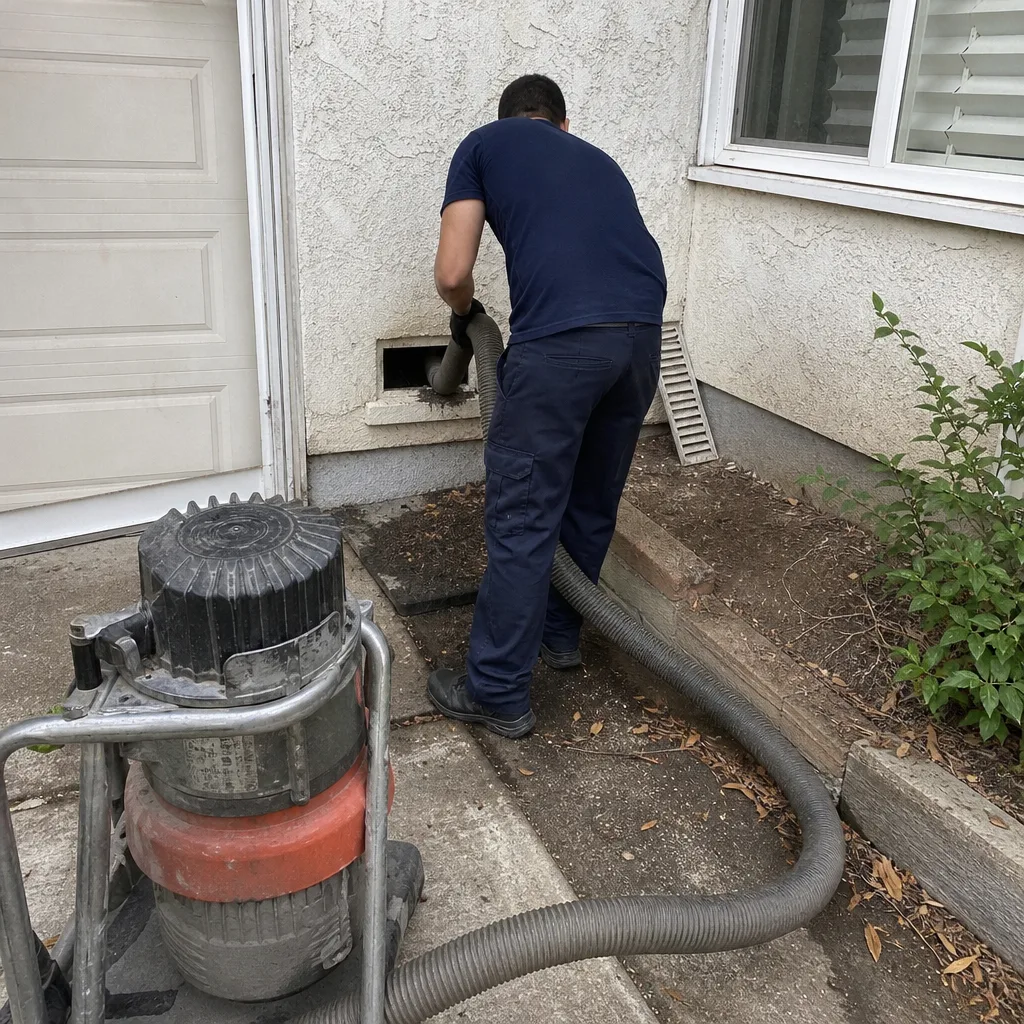 Before
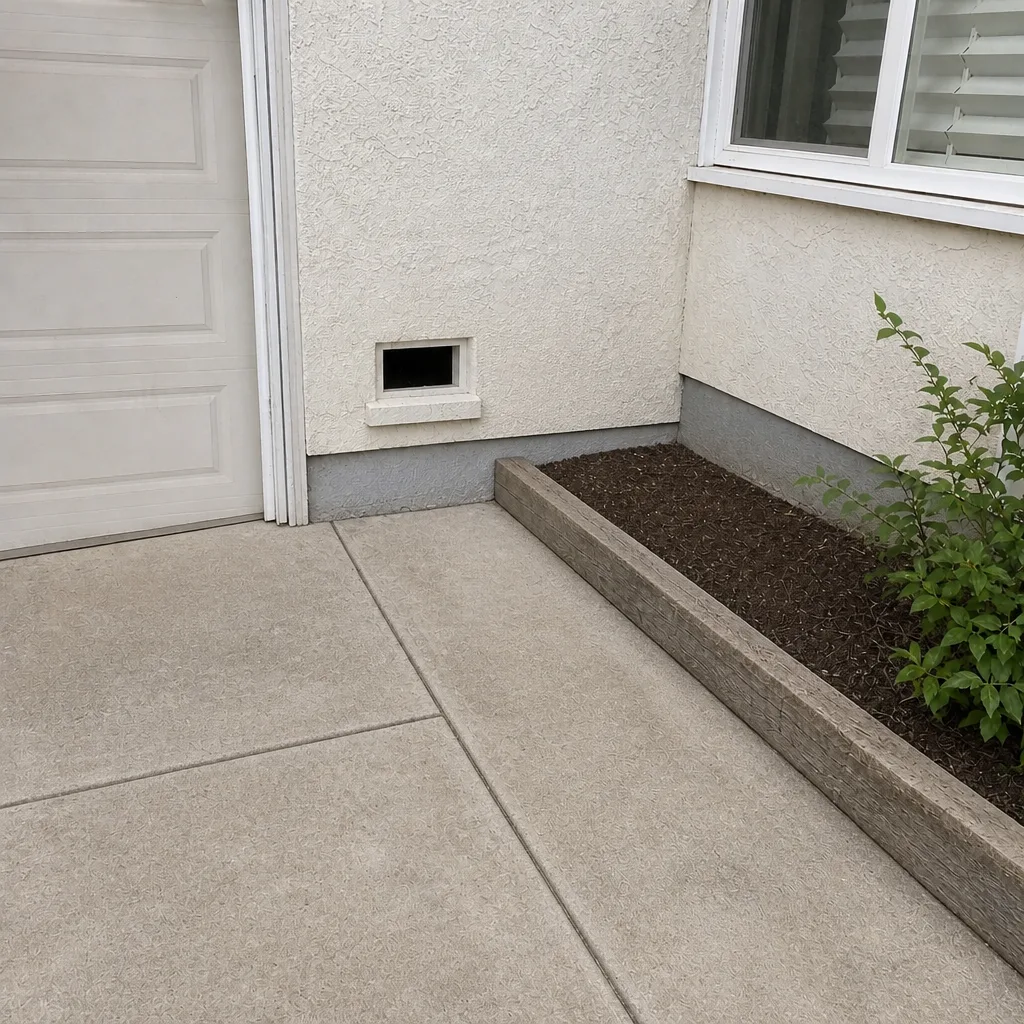 After
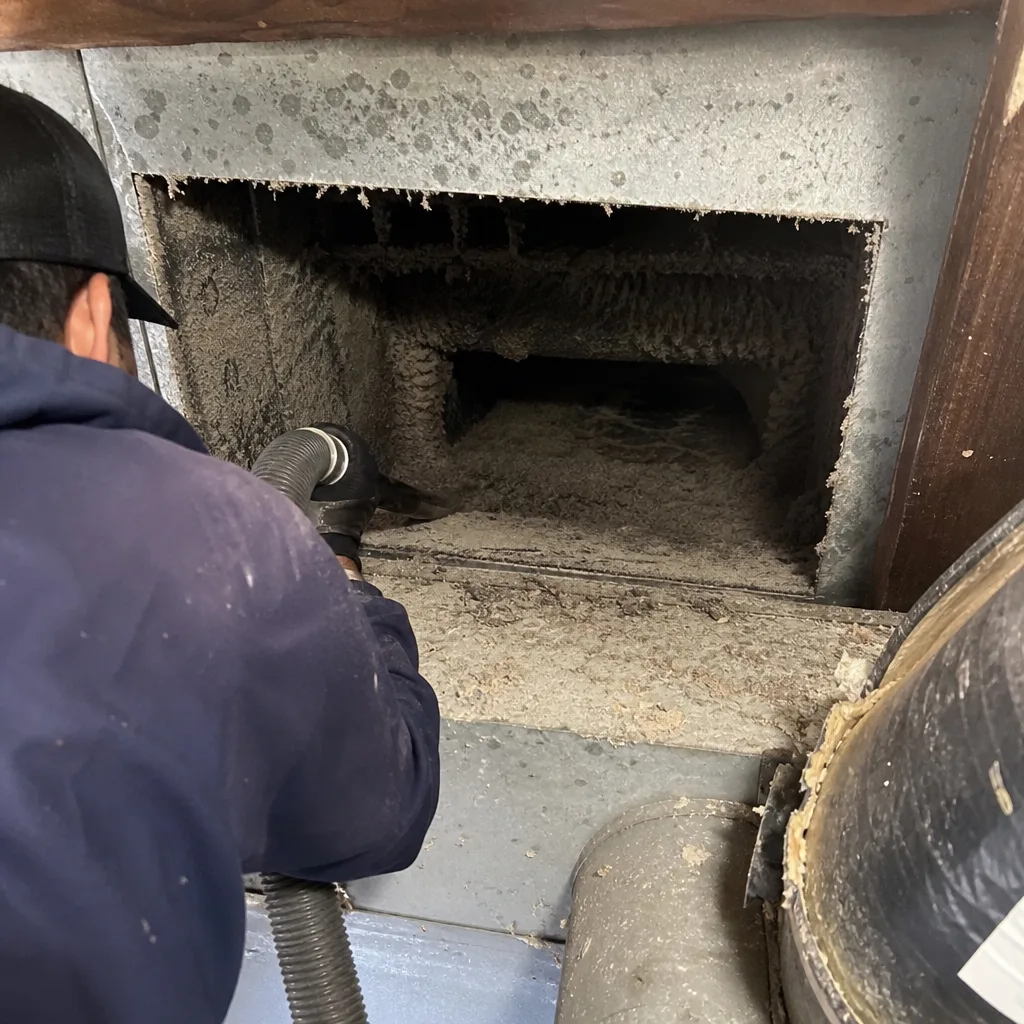 Before
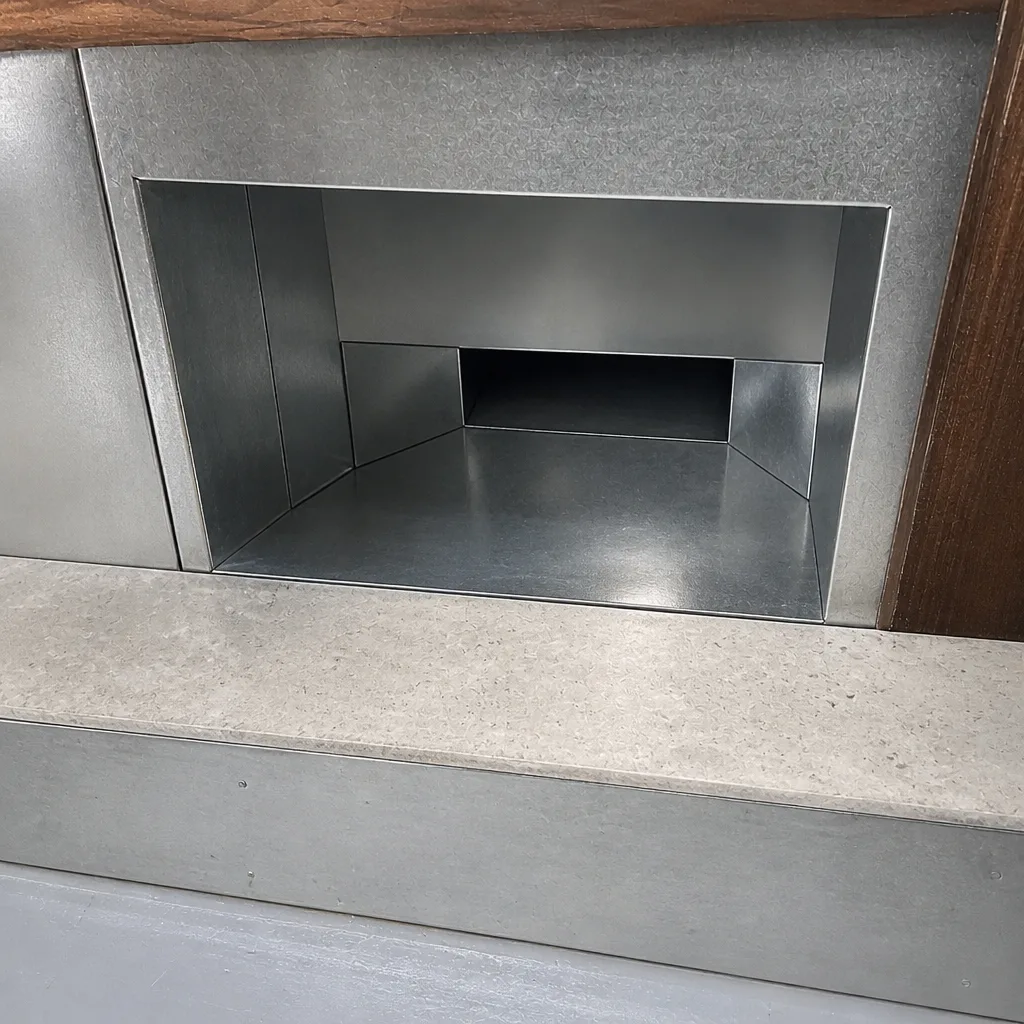 After
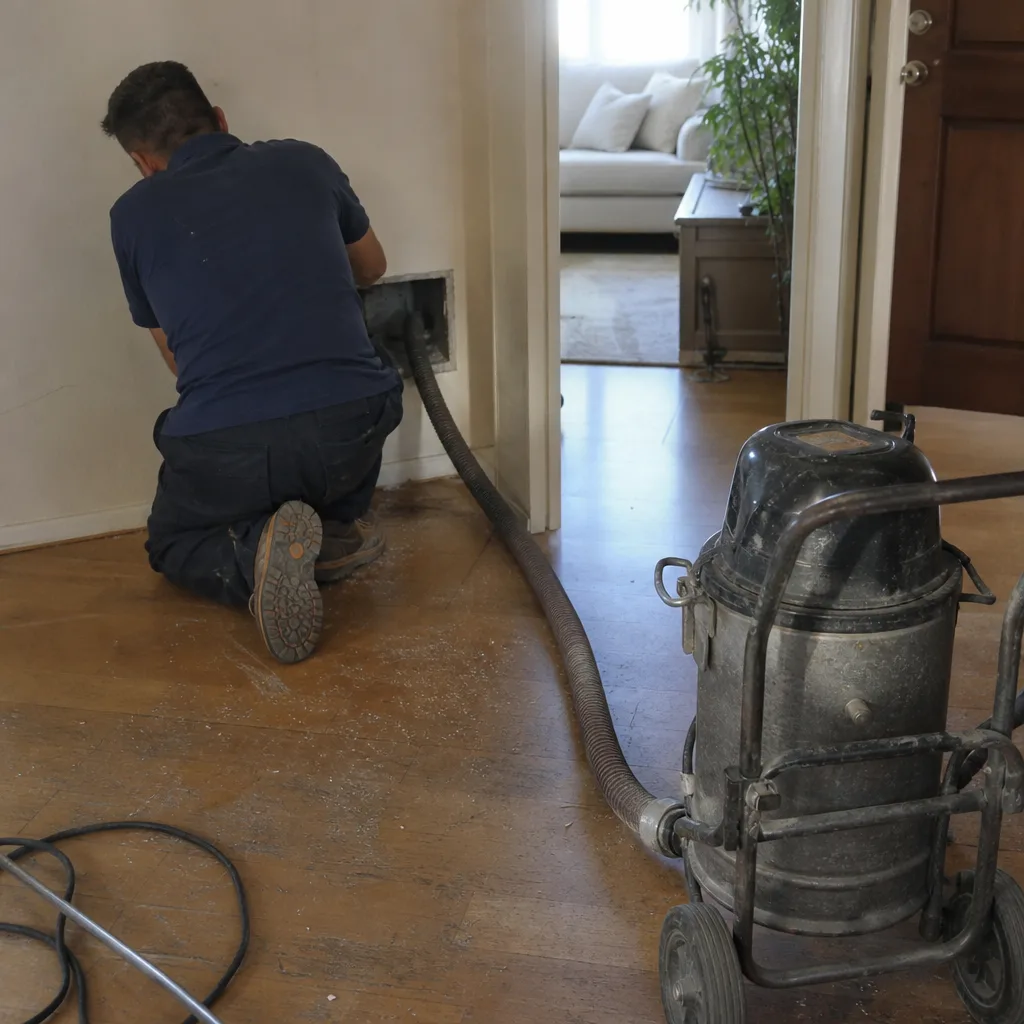 Before
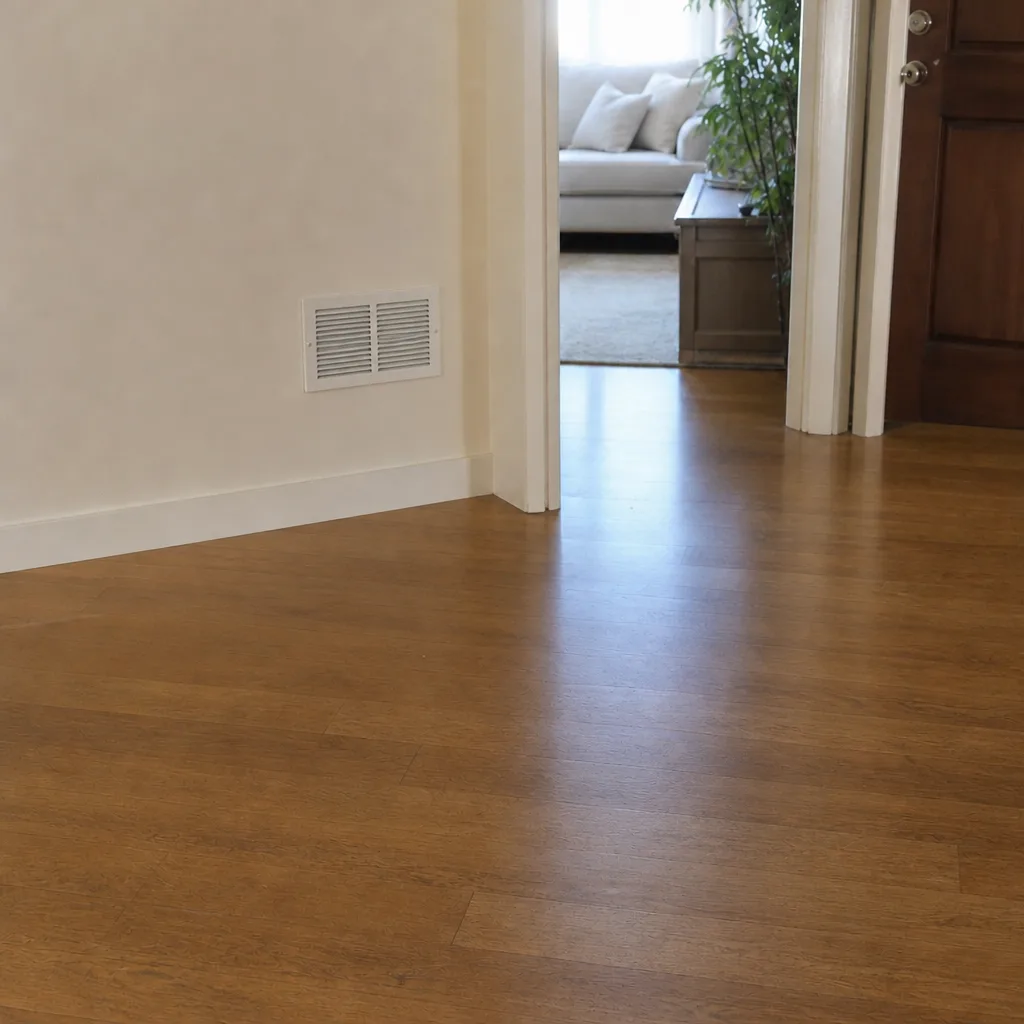 After
When to Call a Professional
Some situations need a professional inspection rather than a wait-and-see approach. If you’ve just finished a renovation, moved into an older Costa Mesa home, or noticed dust building up faster than usual on the return grilles, it’s worth having a camera inspection done. The same applies if you have allergies or respiratory concerns in the household, if you’ve noticed a musty smell that seems to come from the vents, or if you’re dealing with a dryer vent that’s taking longer than it used to. High-tension components inside the HVAC and dryer systems are not things to open up yourself; electrical panels, gas lines, and blower assemblies belong to a trained professional. We also want to flag the safety side of dryer vents specifically: lint buildup is a documented fire risk, and a dryer vent line is not something to clean with a household vacuum and a hope. Costa Mesa Air Duct Cleaning Pros offers free estimates in Costa Mesa. Call (877) 492-3292. We answer 24/7. Fast dispatch from 7am to 7pm, Sunday through Friday.
Frequently Asked Questions
Cost depends on the size of the system and what the inspection finds, because a cleaning that opens the plenum and coil housing is a different job than one that only runs a hose through the supply ducts. We price per system rather than per vent, with one flat price agreed before work starts, and the written estimate sets the final price. Every job includes before-and-after photos of your own ducts. Call (877) 492-3292 for an exact quote; estimates are free. We answer 24/7, with fast dispatch from 7am to 7pm, Sunday through Friday.
Cheap quotes usually leave out the parts of the job that cost money: camera inspection, a negative air machine with HEPA filtration, opening the plenum and air handler cabinet, and removing the registers. A low per-vent figure that grows once the technician is on site is the classic bait-and-switch pattern in this trade. Ask what equipment the company will use and whether access panels come off. Call (877) 492-3292 for a whole-system estimate; estimates are free.
You should see before-and-after photos of your own duct system, taken with a camera inside the ducts, the plenum, and the coil housing. The technician shows you the result at the end of the visit, not stock photos. If a company can’t produce documentation of the specific system they worked on, that’s a red flag. To book a job with documented before-and-after photos, call (877) 492-3292. Estimates are free.
There’s no fixed number that applies to every home. A cleaning every few years is a reasonable baseline for most Costa Mesa homes, with a shorter interval for homes with pets, recent renovations, allergy concerns, or heavy exposure to Santa Ana wind events. The camera inspection is the best way to know. Call (877) 492-3292 to schedule an inspection and estimate; estimates are free.
Yes. Duct repair and sealing is one of our five core services, alongside air duct cleaning, dryer vent cleaning, HVAC cleaning, and Air Quality & Sanitizing. When the inspection turns up a gap or a disconnected joint, the technician can repair it on the same visit rather than deferring it to another contractor. Call (877) 492-3292 to talk through your situation. Estimates are free.
Air duct cleaning addresses the HVAC system: supply and return ducts, plenum, air handler, coil housing, and registers. Dryer vent cleaning addresses the separate exhaust line from the dryer to the exterior, which is a documented fire-prevention service because lint buildup in that line can ignite. Both services are in our lineup, and both are worth inspecting in a Costa Mesa home. Call (877) 492-3292 to book either service; estimates are free.
The Bottom Line
A complete duct cleaning in Costa Mesa addresses the whole air pathway, not just the visible supply runs. The return plenum, air handler cabinet, coil housing, and register boots are where most contamination accumulates, and they only get cleaned when a technician opens them up. The sequence matters: camera inspection first, negative air with HEPA filtration throughout, mechanical agitation with professional equipment, register removal, and documented verification at the end. If any of those steps is missing, the job is not complete. Clean what’s there, repair what’s needed on the same visit, and the result holds. That’s how Costa Mesa Air Duct Cleaning Pros approaches every job.
Call (877) 492-3292 for a free estimate. We answer 24/7. Fast dispatch from 7am to 7pm, Sunday through Friday. Our technicians have up to 14 years of experience, and the written estimate sets the final price.
Written by the team at Costa Mesa Air Duct Cleaning Pros.